
Amadou Ba: Rejet Lois Pétrole Sénégal Fuels Oversight Debate
Summary
- Amadou Ba, a Pastef deputy and the 5th Vice-President of the National Assembly, denounced the rejection of several legislative proposals during a National Assembly commission review.
- One key proposal sought to require parliamentary review of oil and gas contracts before final state signature, which Ba argued would enhance transparency in Senegal.
- Another proposal concerning special government funds was rejected by the executive, which cited the need for discreet social interventions.
- Separately, on August 25, 2026, the Constitutional Council declared the special funds proposal inadmissible, ruling its management falls under regulatory, not legislative, authority.
- Plenary sessions have since taken place or are ongoing to address these disagreements, with Amadou Ba having anticipated discussions on public transparency.
Overview of Legislative Rejections
He emphasized that this would enhance transparency in the management of Senegal's natural resources, a key concern for public accountability.
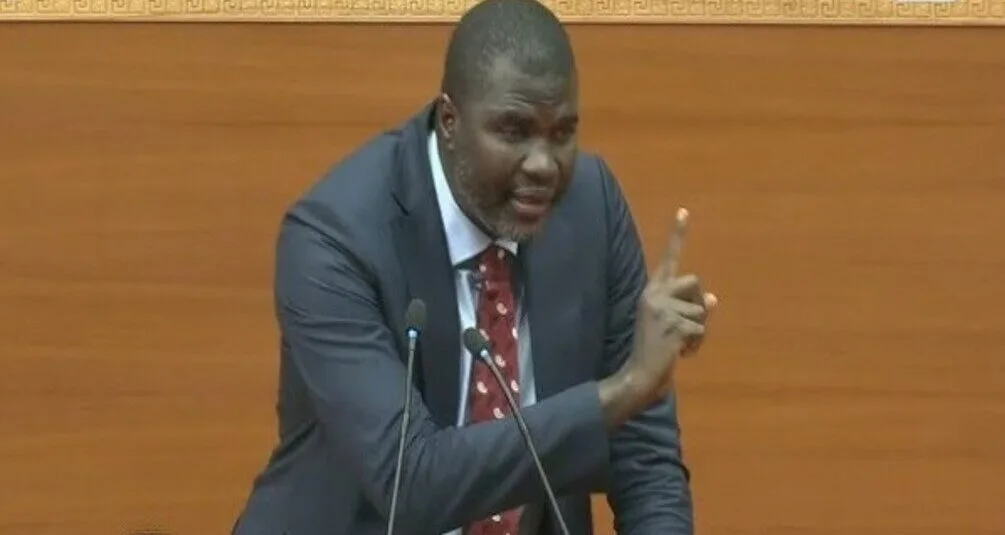
Amadou Ba, a prominent deputy and the 5th Vice-President of the National Assembly for Pastef, has publicly criticized the rejection of several key legislative proposals during a recent extraordinary session of the National Assembly. His concerns were initially voiced via a post on the social media platform X, following deliberations within a parliamentary commission.
The proposals, which touched upon diverse and critical areas of public policy, failed to advance through the initial stages of legislative review, prompting Ba's strong denunciation of the process and the executive's perceived influence. This development highlights ongoing tensions between legislative initiatives aimed at greater transparency and the executive's operational prerogatives.
Scrutiny Over Energy Contracts and Public Funds
Among the legislative initiatives that faced rejection was a particularly significant proposal aimed at increasing parliamentary oversight of Senegal's vital energy sector. This specific bill sought to mandate that all oil and gas contracts undergo a thorough review by deputies before their final endorsement and signature by the state. Amadou Ba argued forcefully that such a measure was not merely procedural but crucial to provide parliamentarians with essential rights to information and scrutiny over these high-value agreements.
He emphasized that this would enhance transparency in the management of Senegal's natural resources, a key concern for public accountability. Additionally, another contentious proposal concerned the establishment of a clear legal framework for the management of special government funds. Ba indicated that the executive branch explicitly opposed this particular bill, asserting that these credits are indispensable for carrying out urgent and discreet social interventions, which they refer to as "Soutoureu," implying a need for confidentiality in their deployment.
Legal Rulings on Special Funds and Broader Legislative Scope
The legislative journey of the special funds proposal took a distinct turn following its initial rejection in commission, illustrating the complex interplay between legislative and regulatory powers. On August 25, 2026, the Constitutional Council intervened, issuing a ruling that declared the proposal inadmissible.
This significant decision, which came after a formal referral from the Prime Minister, Ahmadou Al Aminou Lô, clarified that the administration of special credits falls squarely within the regulatory domain of the executive branch, rather than being an area subject to legislative enactment by the National Assembly. It is crucial to understand that this definitive ruling by the Constitutional Council is entirely separate from, and should not be conflated with, the earlier rejection reported by Amadou Ba during the parliamentary commission's review. The Council's decision underscores a fundamental distinction in the legal framework governing governmental financial mechanisms. Furthermore, the extraordinary session also saw the rejection of a proposal focused on improving mental health care provisions within the country's penal institutions, highlighting the breadth of legislative efforts that encountered obstacles.
Calls for Transparency and Future Debates
The disagreements surrounding these various legislative proposals, particularly those concerning energy contracts and special funds, are now slated for broader discussion in plenary sessions of the National Assembly that have since taken place or are ongoing. According to reports from the media outlet Xibaaru, Amadou Ba anticipated that these sessions would provide a critical platform for all involved parties to articulate their respective positions on matters of public transparency.
The deputy's public statements and his persistent advocacy underscore a broader call for greater openness and accountability in governmental processes, especially concerning significant national contracts and the allocation of public resources. This ongoing debate reflects a fundamental tension between executive efficiency and parliamentary oversight in Senegal's governance.
Source
Source: Original reporting via Xibaaru
How does this affect you?
Get an AI analysis of this article grounded in your jurisdictions, practice areas, and any policy documents you've uploaded to Wansom.
Finish Reading the Full Story and the Expert Analysis.
Get the latest legal & regulatory intelligence in Senegal
Wansom is AI and can make mistakes.