
Sénégal: Accord FMI de 2.2 Milliards Pour Réformes Économiques
Summary
- Senegal and the IMF have reached a staff-level agreement for a 36-month Extended Credit Facility.
- The proposed financial package is approximately $2.2 billion, pending IMF management and board approval.
- This funding will support Senegal's economic and financial reform program from 2026 to 2029.
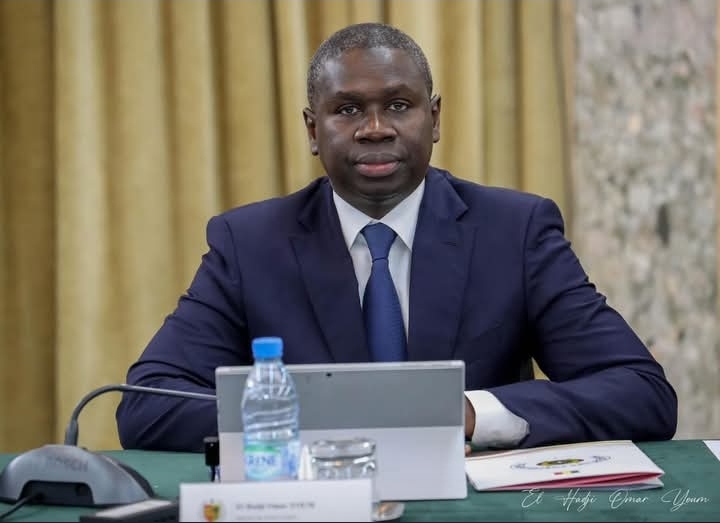
- Former minister Omar Youm welcomed the agreement, citing a return to rational economic discourse after nearly two years of uncertainty.
- Key reforms are expected to include new revenue mobilization, expenditure reduction, and subsidy rationalization, potentially impacting citizens and businesses.
Key Agreement Details
This restoration of confidence is essential, he argued, for securing the necessary support to facilitate the nation's development on sustainable terms.
IMF staff and Senegalese authorities have reached a staff-level agreement for a significant financial package, marking a crucial step in the nation's economic trajectory. This proposed `Sénégal accord FMI 2.2 milliards` is designed to underpin the country's economic and financial reform program over a three-year period, specifically from 2026 to 2029. The arrangement, structured as a new 36-month commitment under the `Facilité élargie de crédit Sénégal`, is valued at approximately $2.2 billion.
This substantial support package remains contingent on final approval from the International Monetary Fund's management and executive board. The next phase involves a detailed review of the agreement's precise contours, which will define the specific conditions and benchmarks Senegal must meet. This development signals a renewed commitment to fiscal discipline and structural adjustments aimed at fostering sustainable growth.
Context and Commentary
The recent progress towards this agreement has been met with approval by Omar Youm, a former minister, who highlighted the journey leading to this point. He observed that the advancement follows nearly two years characterized by indecision, conflicting public statements, and what he described as "fanciful" economic communication. Youm attributes the positive shift to a change in government and the emergence of a more responsible dialogue concerning Senegal's economic and financial challenges.
Youm views this development not as a miraculous turnaround, but rather as a return to a rational, evidence-based approach to economic governance. He emphasized the critical need for Senegal to rebuild trust with both the International Monetary Fund and the broader international financial community. This restoration of confidence is essential, he argued, for securing the necessary support to facilitate the nation's development on sustainable terms. His commentary underscores the importance of transparent and consistent economic policy.
Future Reforms and Economic Outlook
Looking ahead, the implementation of the `Sénégal programme 2026-2029 FMI` is expected to involve a series of targeted `Réformes économiques Sénégal FMI`. `Omar Youm FMI Sénégal` specifically pointed to several key areas that will likely form the bedrock of these efforts. These include intensified mobilization of new revenues, a strategic reduction in certain public expenditures, and a comprehensive rationalization of subsidies. Such measures are typically designed to strengthen public finances and create a more resilient economic framework.
Furthermore, Youm cautioned that these reforms could entail significant demands on both Senegalese citizens and businesses. The precise nature of these demands will become clearer as the agreement's details are finalized, but they are anticipated to impact various sectors of the economy. While this renewed engagement with the IMF signifies a particular policy direction, it does not preclude the exploration of prudent `Financement endogène Sénégal` mechanisms, provided they are carefully studied and designed to complement the broader reform agenda. This comprehensive approach aims to balance external support with domestic resourcefulness for long-term stability.
Practical Implications
Lawyers and compliance officers in Senegal should closely monitor the detailed terms of this IMF agreement and the subsequent economic and financial reforms, particularly those concerning revenue mobilization, subsidy rationalization, and potential demands on businesses, as these will likely impact corporate tax obligations, regulatory compliance, and the overall business environment for their clients from 2026-2029.
Source
How does this affect you?
Get an AI analysis of this article grounded in your jurisdictions, practice areas, and any policy documents you've uploaded to Wansom.
Finish Reading the Full Story and the Expert Analysis.
Wansom is AI and can make mistakes.