
Sénégal: PLFR 2026 Écarts Budgétaires Confirm 7.6% Deficit
Summary
- The Projet de Loi de Finances Rectificative (PLFR) 2026 for Senegal significantly revises the national budget, projecting a deficit increase from 5.37% to 7.6% of GDP.
- Expected revenues are set to decrease from 6,188.8 billion FCFA to 5,848.7 billion FCFA, accompanied by a 555 billion FCFA reduction in investments.
- Expenditures for debt interest and commissions will rise by 94.6 billion FCFA to 1,285.2 billion FCFA, while energy subsidies are projected to surge by 540.3 billion FCFA to 790.3 billion FCFA.
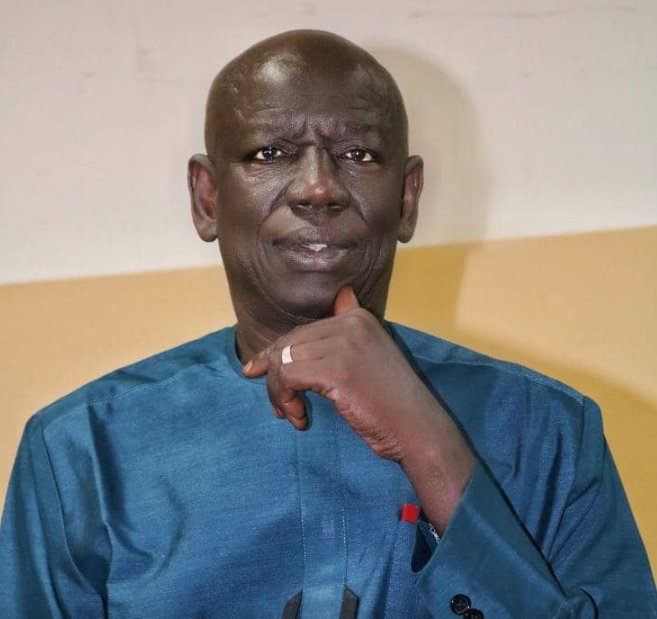
- Abdoulaye Wilane, a Socialist Party spokesperson, emphasizes that these Sénégal PLFR 2026 écarts budgétaires demand a thorough explanation beyond mere accounting, urging an assessment of their impact on concrete projects and the population.
- He advocates for a 'debate of truth' on Senegal's public finances, ensuring economic recovery does not sacrifice productive investment or disproportionately burden households and businesses.
Significant Revisions to Senegal's 2026 Budget
These figures deserve better than a communication battle, necessitating a genuine debate on public finances, state priorities, and the conditions for economic recovery.
Senegal's financial landscape for 2026 is undergoing substantial recalibration, as outlined in the Projet de Loi de Finances Rectificative (PLFR) 2026. This crucial budget rectificatif Sénégal 2026 introduces significant shifts from initial projections, particularly impacting revenue generation and the national deficit. The revised figures indicate a notable decrease in anticipated revenues, moving from an initial 6,188.8 billion FCFA down to 5,848.7 billion FCFA.
This downward adjustment in revenue forecasts directly contributes to a projected increase in the national deficit. The deficit budgétaire Sénégal 2026 is now expected to climb from 5.37% to 7.6% of the Gross Domestic Product (GDP). Furthermore, the new trajectory for the budget includes a substantial reduction in planned investments, with a cut of 555 billion FCFA. This decrease is attributed to both internal and external resource shortfalls, with internal resources declining by 315.7 billion FCFA and external resources by 239.3 billion FCFA. Revenues linked to the Plan de redressement économique et social also saw a significant reduction, falling by 451.4 billion FCFA, from 762.9 billion FCFA to 311.5 billion FCFA.
Escalating Debt and Subsidy Burdens
Beyond revenue adjustments, the loi de finances rectificative Sénégal also highlights growing pressures on the expenditure side, particularly concerning debt servicing and energy subsidies. The costs associated with interests and commissions on the national debt are set to increase by 94.6 billion FCFA, rising from 1,190.6 billion FCFA to 1,285.2 billion FCFA. This upward trend in debt-related expenses underscores the country's ongoing financial commitments.
Another significant area of increased spending is energy subsidies, which are projected to surge dramatically. These subsidies are slated to rise by 540.3 billion FCFA, escalating from 250 billion FCFA to 790.3 billion FCFA. The overall financial requirements for the state are substantial, with the global need for financing reaching 6,774.2 billion FCFA, a considerable portion of which—4,516.2 billion FCFA—is allocated to the amortization of debt.
Political Scrutiny and Call for Transparency
The significant Sénégal PLFR 2026 écarts budgétaires have drawn sharp criticism and calls for greater transparency from political figures. Abdoulaye Wilane, spokesperson for the Socialist Party, emphasized that these discrepancies demand a more profound analysis than mere accounting adjustments. He argues that such variations should be used to identify initial assumptions that failed to yield expected outcomes, stressing the importance of a serious approach to budget evaluation.
Wilane specifically highlighted the potential impact of the 555 billion FCFA reduction in investments, urging an assessment of its effects on tangible projects across Senegal. He cited critical areas such as roads, schools, hospitals, hydraulic infrastructure, agricultural projects, businesses, and employment, asserting that budget allocations directly translate into concrete achievements for the populace. While acknowledging that international energy price fluctuations might partially explain the surge in energy subsidies, Wilane contended that this alone does not fully account for all the budgetary challenges. He insisted that the disparities between initial forecasts and the revised projections must be clearly elucidated, questioning the equitable distribution of effort among the state, households, and businesses in the pursuit of financial recovery. For Wilane, the redressement des finances publiques Sénégal Abdoulaye Wilane should neither compromise productive investment nor disproportionately burden the general population.
Implications for Economic Recovery and Public Trust
The substantial adjustments within the Projet de Loi de Finances Rectificative 2026 Sénégal, particularly the significant Sénégal PLFR 2026 écarts budgétaires, underscore a critical juncture for the nation's economic trajectory. Abdoulaye Wilane's impassioned plea for a deeper understanding of these figures moves beyond a simple financial review, advocating for a comprehensive public discourse. He asserted that these figures deserve better than a communication battle, necessitating a genuine debate on public finances, state priorities, and the conditions for economic recovery.
This call for a 'debate of truth' highlights the broader implications of the impact PLFR 2026 Sénégal, which extend to public trust and the long-term viability of development projects. The revised budget signals potential shifts in government spending priorities and resource allocation, which could influence future policy decisions, taxation frameworks, and opportunities for private sector engagement. Understanding these underlying dynamics is crucial for stakeholders, including legal professionals advising businesses in Senegal, as they navigate an evolving regulatory and economic environment.
Practical Implications
Lawyers advising businesses in Senegal should closely monitor the ongoing debate surrounding the revised 2026 budget, particularly the significant shifts in investment, debt, and subsidies. These changes could signal future policy adjustments, taxation reforms, or shifts in government procurement and infrastructure spending, directly impacting client operations, project viability, and compliance obligations.
Source
Source: Original reporting via Rewmi
How does this affect you?
Get an AI analysis of this article grounded in your jurisdictions, practice areas, and any policy documents you've uploaded to Wansom.
Finish Reading the Full Story and the Expert Analysis.
Get the latest legal & regulatory intelligence in Senegal
Wansom is AI and can make mistakes.