
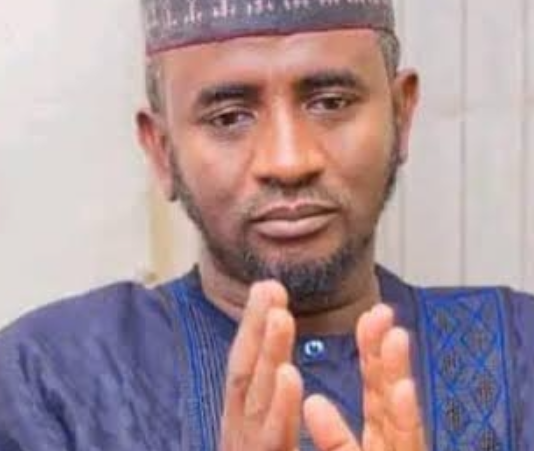
Senator Buba: Denies Banditry Allegations, Cites Political Motive
Summary
- Senator Shehu Buba, representing Bauchi South Senatorial District, has denied allegations linking him to bandit kingpins and sponsoring banditry in northern Nigeria.
- Buba, who is the Peoples Redemption Party (PRP) governorship candidate in Bauchi State, described the claims as fabricated and politically motivated.
- The accusations against the senator circulated online, alleging his involvement with high-profile criminal elements.
- His strong denial highlights the significant political and reputational risks faced by public officials in Nigeria when confronted with serious criminal allegations.
Allegations and Denial
Senator Shehu Buba, who represents the Bauchi South Senatorial District, has vehemently refuted claims linking him to the sponsorship of banditry activities in northern Nigeria.
Senator Shehu Buba, who represents the Bauchi South Senatorial District, has vehemently refuted claims linking him to the sponsorship of banditry activities in northern Nigeria. The prominent politician categorically denied any association with individuals identified as bandit kingpins, labeling the accusations as entirely fabricated and politically motivated.
These serious allegations, which have been circulating online, specifically contend that Senator Buba is involved in supporting high-profile criminal elements. However, the Senator has maintained a firm stance, asserting that these claims are baseless and designed to undermine his reputation and political standing. His denial comes amidst growing concerns over insecurity in the northern regions of the country.
The nature of the allegations suggests a concerted effort to connect a serving public official with severe criminal enterprises, a charge that carries significant legal and reputational consequences. Senator Buba's response underscores the gravity with which such accusations are viewed, particularly when they target figures in high office and relate to widespread security challenges.
Political Context of the Claims
Beyond his role as a senator, Shehu Buba is also the Peoples Redemption Party (PRP) governorship candidate for Bauchi State. This dual political identity provides a crucial backdrop to the allegations, which he himself has characterized as politically motivated. The timing and online dissemination of these claims suggest a potential link to the competitive political landscape within Nigeria.
The accusations of sponsoring banditry and links to bandit kingpins emerged through online channels, indicating a digital component to the campaign against the senator. This method of dissemination highlights the evolving tactics in Nigeria's political sphere, where digital platforms are increasingly used to spread both verified information and unverified claims, often with significant public impact. The senator's immediate and strong denial aims to counter the narrative being pushed through these online avenues.
Such public official criminal allegations, especially those involving national security issues like banditry, often become focal points in the broader political discourse. The fact that Senator Buba denies banditry allegations so forcefully suggests an awareness of the potential damage these claims could inflict on his political career and public trust, particularly as a governorship candidate.
Implications for Public Officials
The situation surrounding Senator Buba's denial of banditry allegations underscores a critical challenge for public officials in Nigeria: managing reputational risk in an environment rife with Nigeria political allegations. Even when denied, accusations of criminal conduct, particularly those as severe as sponsoring banditry, can significantly impact public perception and political stability. The online circulation of such claims further complicates matters, making it difficult to control the narrative.
For legal professionals advising clients on political risk or reputational management in Nigeria, developments like these are essential to monitor. High-profile allegations of criminal conduct against public officials, even when vehemently denied, can signal potential investigations, shifts in political alliances, or broader instability. The specter of criminal defamation Nigeria laws might also be considered in such contexts, though the immediate focus remains on the political and public relations fallout.
The incident serves as a stark reminder of the volatile nature of political discourse in Nigeria, where serious accusations can emerge rapidly and gain traction, regardless of their veracity. The need for robust crisis communication and legal strategies becomes paramount for any public figure facing such challenges, as the long-term impact on their career and public service can be profound.
Practical Implications
Lawyers advising clients on political risk or reputational management in Nigeria should monitor developments around high-profile allegations of criminal conduct against public officials, even when denied, as they can indicate potential investigations or political instability.
Source
How does this affect you?
Get an AI analysis of this article grounded in your jurisdictions, practice areas, and any policy documents you've uploaded to Wansom.
Finish Reading the Full Story and the Expert Analysis.
Wansom is AI and can make mistakes.