
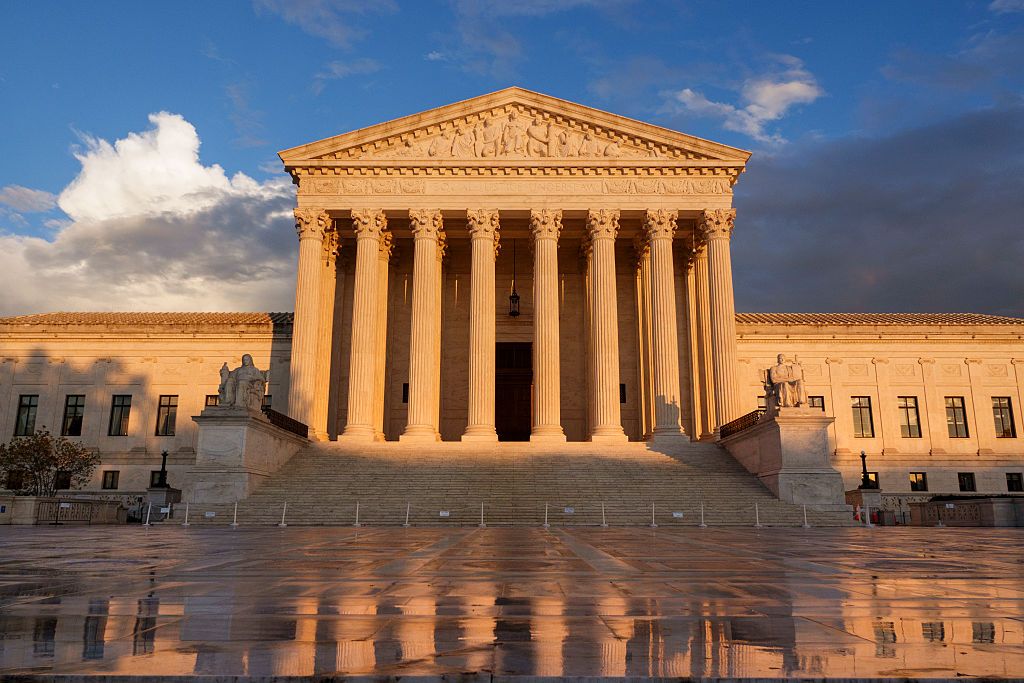
SCOTUS: Potential Oral Argument Issues Loom for Current Term
Summary
- The Supreme Court faces a mid-January deadline to grant cases for its final argument session, which begins on April 19.
- Despite the tight schedule, the Court is reviewing numerous significant petitions for review over the next two months.
- High-profile issues under consideration include the Trump administration’s ban on transgender servicemembers and state laws requiring Ten Commandments displays in public schools.
- The Court is also examining petitions concerning the regulation of prediction markets, such as Kalshi.
- Litigants file a petition for certiorari to request Supreme Court review of a lower court ruling, explaining why the issue warrants attention.
Looming Deadlines for the Supreme Court's Docket
Over the next two months, the Court is expected to deliberate on several high-profile SCOTUS certiorari petitions that could profoundly impact various legal sectors.
The Supreme Court faces a tight schedule as it approaches the deadline for adding cases to its current term's oral argument docket. To ensure adequate time for briefing, any case slated for the final argument session must be granted certiorari by mid-January. This crucial window precedes the commencement of the final arguments, which are scheduled to begin on April 19 this term. Despite the compressed timeframe, the justices are currently reviewing a substantial number of significant petitions for review, indicating a busy period ahead for the nation's highest court.
Over the next two months, the Court is expected to deliberate on several high-profile SCOTUS certiorari petitions that could profoundly impact various legal sectors. These include challenges to the Trump administration’s policy regarding transgender servicemembers, questions surrounding state mandates for displaying the Ten Commandments in public school classrooms, and the regulatory framework governing emerging financial platforms such as the Kalshi prediction market. The sheer volume and contentious nature of these pending requests highlight the potential for significant shifts in legal precedent before the term concludes.
High-Stakes Issues Awaiting Review
Among the critical matters that may soon appear on the Supreme Court upcoming docket are cases with far-reaching implications for constitutional rights and administrative law. One such petition concerns the Trump transgender ban SCOTUS, a policy that restricted transgender individuals from serving in the military. The Court's decision on whether to hear this case could set important precedents regarding equal protection and military policy. Similarly, the justices are weighing petitions related to Ten Commandments public school cases, which challenge state laws requiring the display of the Ten Commandments in classrooms. These cases raise fundamental questions about the separation of church and state, potentially reshaping the landscape of religious freedom in public education.
Another area of significant interest involves the regulation of novel financial instruments, specifically prediction markets. The Court is considering petitions that address the oversight of platforms like Kalshi, which allow users to bet on future events. The outcome of these deliberations could clarify the scope of regulatory authority over such markets, impacting both financial innovation and consumer protection. These diverse petitions underscore the breadth of issues that could soon occupy the Court's attention, making SCOTUS potential oral argument issues a key focus for legal observers.
The Path to Supreme Court Review
For a case to reach the Supreme Court's oral argument docket, it typically follows a specific procedural path. Litigants who have received an unfavorable ruling from a lower court may file a petition for review, also known as a petition for certiorari. This document serves as a formal request for the justices to examine the lower court's decision. Within their petition, the applicants must articulate why they believe the previous ruling was erroneous and, crucially, why the legal question presented is of sufficient national importance to warrant the Supreme Court's intervention.
Following the submission of a certiorari petition, the parties who prevailed in the lower court, known as the respondents, are given 30 days to file their response. While this is the standard timeframe, respondents have the option to request an extension if needed. In some instances, respondents may even file a brief indicating their agreement that the Supreme Court should review the case, streamlining the process for the justices. This intricate process ensures that only cases presenting significant legal questions or conflicts among lower courts typically advance to the Court's consideration.
Practical Implications
Lawyers should monitor these pending Supreme Court petitions to anticipate significant legal developments that could impact client strategy or compliance obligations, particularly concerning constitutional law, administrative law, and regulatory frameworks. Early awareness allows for proactive client advice and preparation for potential shifts in legal precedent.
Source
How does this affect you?
Get an AI analysis of this article grounded in your jurisdictions, practice areas, and any policy documents you've uploaded to Wansom.
Finish Reading the Full Story and the Expert Analysis.
Get the latest legal & regulatory intelligence in United States
Wansom is AI and can make mistakes.