
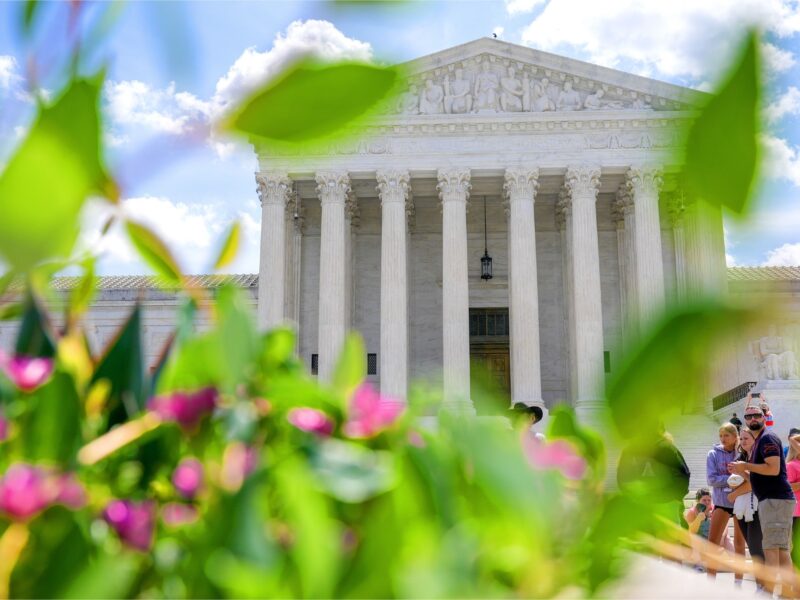
SCOTUS: New Term Climate, AR-15, Voting Cases to Reshape Law
Summary
- The new Supreme Court term will address major legal battles concerning climate change, gun rights, and voting.
- One pivotal case examines whether Boulder County can compel Exxon and Suncor to pay for climate change costs.
- Another challenge involves applying the Second Amendment history test to state and local bans on AR-15-style rifles.
- The Court will also review Arizona's requirements for proof of citizenship in voter registration and pre-election voter purging.
- These cases reflect the high court's growing influence in consequential policy disputes, potentially reshaping the legal landscape.
An Overview of the Upcoming Term
The outcomes of these proceedings are anticipated to establish new precedents, influencing how governments, corporations, and citizens navigate complex legal frameworks in the years to come.
The United States Supreme Court is set to commence a new term, featuring a docket laden with significant legal disputes that promise to redefine key areas of American law. This US Supreme Court upcoming term preview highlights several pivotal cases, underscoring the high court's increasingly central role in resolving some of the nation's most contentious policy debates. Among the critical issues slated for judicial review are questions surrounding climate change accountability, the scope of Second Amendment protections concerning AR-15-style rifles, and federal regulations governing voter registration processes.
This collection of cases reflects a broader trend of the Supreme Court engaging with consequential matters that could profoundly reshape the legal landscape across environmental law, individual liberties, and election integrity. The outcomes of these proceedings are anticipated to establish new precedents, influencing how governments, corporations, and citizens navigate complex legal frameworks in the years to come. As the justices prepare to deliberate, legal observers are keenly watching for decisions that could have far-reaching implications for public policy and constitutional interpretation.
Key Climate Change Litigation
One of the term's most anticipated legal confrontations involves a high-stakes climate change lawsuit originating from Boulder County. This case pits local government entities against major fossil fuel companies, specifically Exxon and Suncor, in a dispute over financial responsibility for environmental damage. The central legal question before the Supreme Court is whether local jurisdictions possess the authority to compel energy corporations to bear the costs associated with climate change impacts.
The resolution of this Boulder County Exxon Suncor climate lawsuit could significantly alter the trajectory of climate change litigation nationwide. A ruling affirming local governments' ability to seek compensation from energy companies for climate-related expenses would open new avenues for accountability, potentially leading to a wave of similar lawsuits. Conversely, a decision limiting such authority would curtail efforts by municipalities to hold fossil fuel giants financially responsible for their contributions to global warming. This case represents a crucial moment for climate change litigation Supreme Court consideration.
Second Amendment and Voting Rights Challenges
The upcoming Supreme Court term also features a significant challenge to gun control measures, specifically focusing on bans targeting AR-15-style rifles. This case will require the justices to apply their established “Second Amendment history test” to determine the constitutionality of state and local prohibitions on these firearms. The outcome of this Second Amendment AR-15 ban challenge could redefine the boundaries of gun ownership rights, potentially impacting similar restrictions across the country and adding to the body of Supreme Court gun rights cases.
Concurrently, the Court will address critical questions surrounding election administration with a case concerning Arizona's voter registration requirements. This dispute centers on whether the state can mandate proof of citizenship for individuals registering to vote and if it can remove voters from electoral rolls immediately prior to an election. This Arizona voter registration citizenship SCOTUS case arrives just in time for midterm elections, highlighting the immediate practical implications its ruling could have on voter access and the integrity of the electoral process.
Shaping the Legal Future
The confluence of these major cases—addressing climate change, Second Amendment rights, and voting regulations—underscores the profound influence the upcoming term holds for the nation's legal and policy landscape. The decisions rendered in these proceedings are poised to establish significant new precedents, affecting environmental liability, the interpretation of gun ownership rights, and the framework of election law.
As the Court prepares to tackle these complex issues, the outcomes will undoubtedly resonate across various sectors, from energy industries facing potential financial liabilities to individuals and advocacy groups concerned with constitutional rights. The rulings in these SCOTUS new term climate AR-15 voting cases will not only resolve the immediate disputes but also provide crucial guidance for future legislative and judicial actions, solidifying the high court's role in shaping America's legal future.
Practical Implications
Lawyers and compliance officers should closely monitor these upcoming Supreme Court cases, as their outcomes could establish significant new precedents impacting environmental liability, Second Amendment interpretations, and election law, necessitating adjustments to client advice and compliance strategies.
Source
Source: Original reporting via Sidebar.
How does this affect you?
Get an AI analysis of this article grounded in your jurisdictions, practice areas, and any policy documents you've uploaded to Wansom.
Finish Reading the Full Story and the Expert Analysis.
Get the latest legal & regulatory intelligence in United States
Wansom is AI and can make mistakes.