
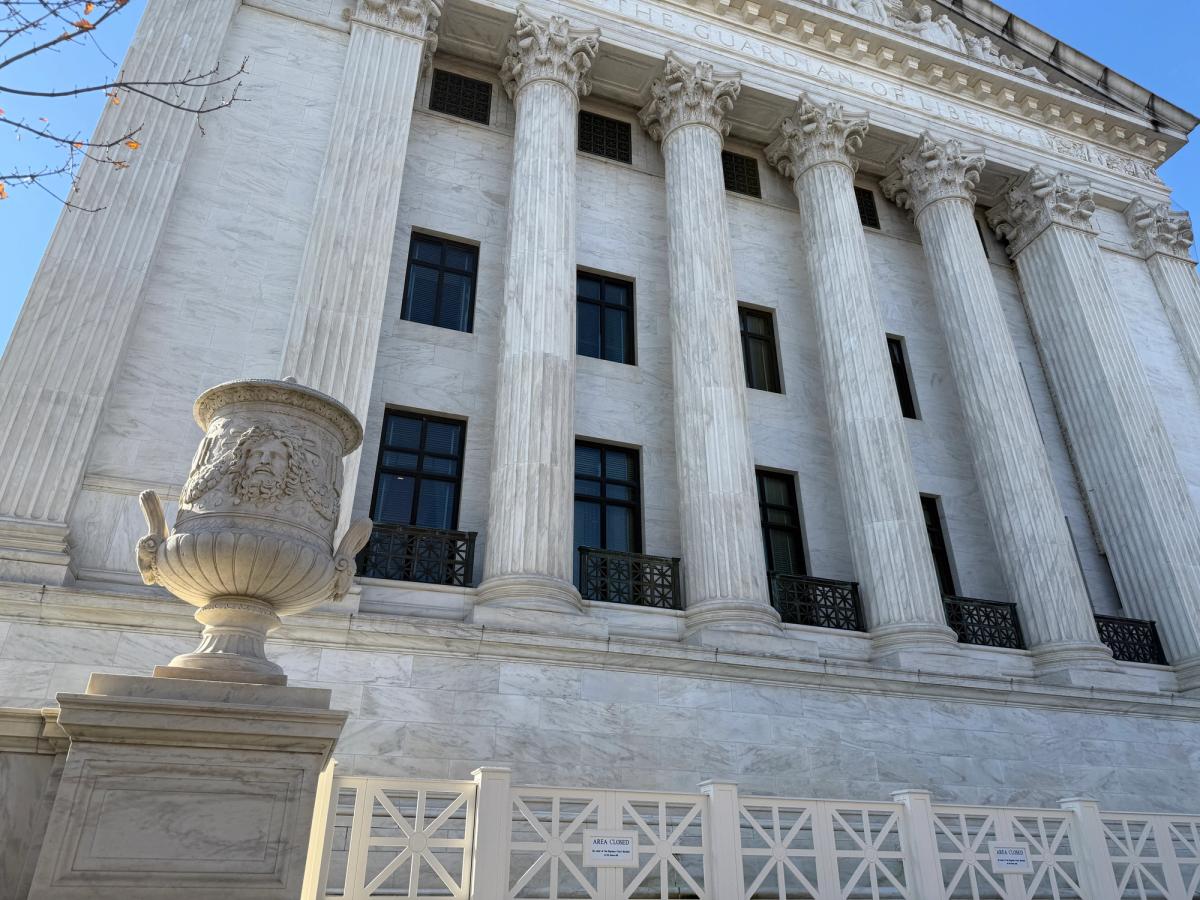
SCOTUS: To Review Mandatory Noncitizen Detention Bond Hearings
Summary
- The Supreme Court is examining whether the policy adopted by the Trump administration grants the authority to detain noncitizens without bond hearings.
- Historically, noncitizens arrested in the interior after entering without inspection were detained under Section 1226(a), allowing for potential bond hearings.
- In July 2025, ICE began mandating detention under Section 1225(b)(2)(A) for all noncitizens who entered without inspection, regardless of entry date.
- Section 1225(b)(2)(A) explicitly removes immigration judges' authority to grant bond, a policy affirmed by the Board of Immigration Appeals in Matter of Yajure Hurtado.
- The Court's decision will determine if long-term residents can seek release while fighting deportation.
Supreme Court Considers Detention Policy
Immigration lawyers must closely monitor the Supreme Court's decision regarding mandatory detention of noncitizens without bond hearings under Sections 1226(a) and 1225(b)(2)(A).
The Supreme Court initiated proceedings on October 1 to examine a critical issue concerning the detention of noncitizens: whether the policy adopted by the Trump administration grants the authority to hold these individuals without providing them access to a bond hearing. This significant question has been presented to the high court in two distinct parts. One aspect involves a statutory interpretation that the justices have committed to addressing, while the other, a constitutional challenge, awaits a suitable case for review.
The ultimate resolution of these intertwined legal questions will profoundly influence the lives of many. Specifically, the Court's decisions will determine if individuals who have established lives in the United States for many years, potentially even decades, will retain the ability to petition an immigration judge for release while their deportation proceedings are ongoing. This pivotal case, touching upon the core of immigration detention practices, highlights the ongoing legal debate surrounding the rights of noncitizens in removal proceedings.
Evolution of Detention Practices
For nearly three decades, following the enactment of the Illegal Immigration Reform and Immigrant Responsibility Act (IIRIRA) in 1996, a consistent approach to detaining certain noncitizens was observed across administrations. Until July 2025, individuals who entered the country without inspection—meaning they were not formally admitted by an immigration officer—and were subsequently apprehended within the U.S. interior, were typically held under Section 1226(a) of immigration law. This provision allowed for a degree of discretion regarding release.
Under Section 1226(a), Immigration and Customs Enforcement (ICE) retained the option to release a detainee on bond, a decision that was subject to review by an immigration judge. This framework provided a mechanism for noncitizens to seek release, unless specific circumstances outlined in Section 1226(c), primarily related to criminal offenses or terrorism, applied to their case. This long-standing practice ensured that, for many, a bond hearing was a potential avenue for temporary freedom during their legal battles.
The Shift to Mandatory Detention
A significant policy change was implemented by Immigration and Customs Enforcement in July 2025, marking a departure from previous practices. At this point, ICE began to mandate that any noncitizen who had entered the United States without inspection, regardless of whether their entry was recent or occurred many years prior, would be detained under Section 1225(b)(2)(A) for the entire duration of their removal proceedings. This new directive eliminated the discretionary element previously available.
Crucially, the provisions of Section 1225(b)(2)(A) differ fundamentally from Section 1226(a) regarding bond eligibility. Under this new mandatory detention framework, immigration judges are explicitly stripped of the authority to grant bond to individuals held under this specific section. This means that noncitizens subject to Section 1225(b)(2)(A) detention are unable to request a bond hearing, effectively ensuring their continued custody throughout their legal process. This interpretation was subsequently affirmed by the Board of Immigration Appeals in the Matter of Yajure Hurtado decision, issued two months after ICE's policy change.
Implications for Noncitizens and Legal Strategy
The Supreme Court's engagement with the question of SCOTUS mandatory noncitizen detention bond carries profound implications for immigration law practitioners and their clients. The Court's eventual ruling, particularly concerning the statutory interpretation of Sections 1226(a) and 1225(b)(2)(A) detention, will directly shape the legal landscape for noncitizens facing removal proceedings. The ability to secure release for clients will hinge on the Court's determination regarding the availability of a noncitizen bond hearing SCOTUS review.
Immigration lawyers must closely monitor the Supreme Court's decision regarding mandatory detention of noncitizens without bond hearings under Sections 1226(a) and 1225(b)(2)(A). The ruling will directly impact the ability to secure release for clients in removal proceedings and necessitate adjustments in legal strategy and client advisement concerning detention and bond eligibility. This case underscores the critical importance of understanding the nuances of Supreme Court immigration detention policies and their practical effects on individuals who may have deep ties to the United States.
Practical Implications
Immigration lawyers must closely monitor the Supreme Court's decision regarding mandatory detention of noncitizens without bond hearings under Sections 1226(a) and 1225(b)(2)(A). The ruling will directly impact the ability to secure release for clients in removal proceedings and necessitate adjustments in legal strategy and client advisement concerning detention and bond eligibility.
Source
How does this affect you?
Get an AI analysis of this article grounded in your jurisdictions, practice areas, and any policy documents you've uploaded to Wansom.
Finish Reading the Full Story and the Expert Analysis.
Get the latest legal & regulatory intelligence in United States
Wansom is AI and can make mistakes.