
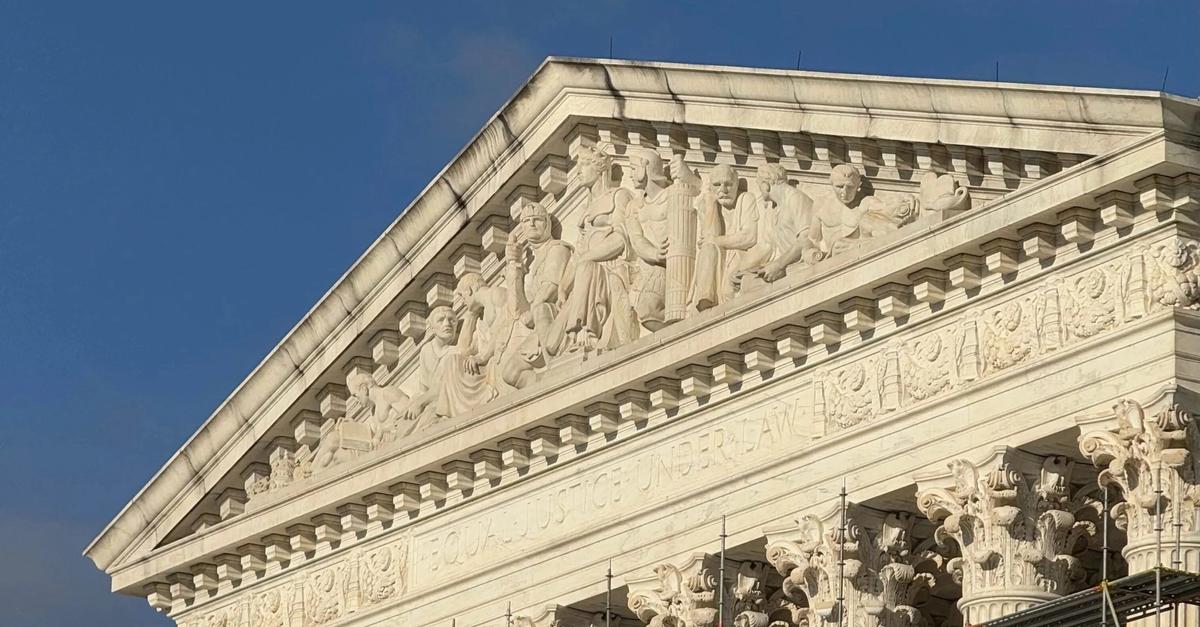
SCOTUS Grants U.S. DOGE Service Discovery: New Case for 2026-27 Term
Summary
- The Supreme Court has added three new cases to its 2026-27 oral argument docket, announced on October 9.
- One key case, U.S. DOGE Service v. U.S. District Court for the District of Columbia, will clarify appropriate discovery orders in disputes over government information access.
- This ruling will significantly impact administrative law practitioners and litigation against government entities seeking government information.
- The Court also heard arguments in Beaird v. United States and will hear Salazar v. Paramount Global.
- Several interim docket cases, including one on transgender inmate healthcare and another on FCC advertising rates, are fully briefed and awaiting decisions.
What Happened
The clarification of appropriate discovery orders in disputes over access to government information will establish a significant precedent.
The Supreme Court recently announced the addition of three new cases to its oral argument docket for the upcoming 2026-27 term. This development came from an order list released on Tuesday, following the justices' private conference held on October 9. Among these newly granted cases is U.S. DOGE Service v. U.S. District Court for the District of Columbia, a case poised to clarify critical aspects of discovery in litigation involving government information access.
This particular case is expected to address the precise nature and scope of discovery orders deemed appropriate when disputes arise concerning the public's ability to obtain information from government entities. The Court's decision in U.S. DOGE Service will be a significant addition to the Supreme Court 2026-27 term docket, drawing considerable attention from legal professionals involved in administrative law and transparency issues.
Legal Context of Discovery Disputes
The core issue in U.S. DOGE Service v. U.S. District Court for the District of Columbia revolves around SCOTUS discovery government information access. Specifically, the justices will examine what types of discovery orders are suitable in legal challenges where parties seek to compel the release of government information. This area of law is often complex, balancing the public's right to know with governmental interests in confidentiality or operational efficiency.
For lawyers practicing administrative law or those involved in Freedom of Information Act (FOIA) litigation, the outcome of this case holds substantial weight. It could redefine the procedural tools available to litigants attempting to uncover facts from government agencies, potentially streamlining or complicating the process of obtaining crucial evidence in such disputes. The ruling will provide much-needed guidance on the boundaries of discovery when the government is a party and information access is at stake.
Broader Supreme Court Activity
Beyond the new additions to the 2026-27 term, the Supreme Court has been actively engaged with other significant matters. On the same Tuesday that the new cases were announced, the justices heard oral arguments in Beaird v. United States. This case focuses on the level of deference courts should grant to the U.S. Sentencing Commission’s interpretive commentary regarding the application of federal sentencing guidelines.
Furthermore, the Court was scheduled to hear arguments the following day in Salazar v. Paramount Global. This case delves into the contemporary applicability of the 1988 Video Privacy Protection Act (VPPA) in the internet era. The VPPA was originally enacted in response to a Washington City Paper report detailing Supreme Court nominee Robert Bork’s video rental history, highlighting its historical roots in privacy concerns. The Court is also currently considering several interim docket cases, including a request from the Trump administration on September 28 to permit the Federal Bureau of Prisons to implement a new policy. This policy would prevent transgender inmates from receiving gender-transition surgeries, hormone therapy, and certain social accommodations. Another interim matter involves requests from the Federal Communications Commission and two Republican groups seeking to block a federal appeals court ruling that would mandate the FCC to promptly decide on a challenge to its "public notice," which grants favorable advertising rates to political parties and joint fundraising committees. Both of these interim docket cases are fully briefed, with decisions anticipated at any time.
Why It Matters
The Supreme Court's decision in U.S. DOGE Service v. U.S. District Court for the District of Columbia carries profound implications for legal practitioners, particularly those engaged in litigation against government entities. The clarification of appropriate discovery orders in disputes over access to government information will establish a significant precedent. This ruling could either empower litigants by providing clearer pathways to information or impose new limitations, thereby reshaping strategies for challenging government actions and policies.
The case is a crucial addition to the Supreme Court new cases October 2026 announcements, signaling the Court's intent to address a fundamental procedural aspect of government litigation. Its outcome will directly influence how information is sought and obtained from federal agencies, impacting the efficacy of future information requests and the overall landscape of government accountability. Legal professionals should closely monitor the proceedings as the Court prepares to deliberate on this pivotal issue.
Practical Implications
Lawyers practicing administrative law, FOIA, or litigation against government entities should closely monitor U.S. DOGE Service v. U.S. District Court for the District of Columbia, as the Supreme Court's ruling will clarify the appropriate types of discovery orders in disputes over access to government information, potentially setting a significant precedent for future cases and information requests.
Source
How does this affect you?
Get an AI analysis of this article grounded in your jurisdictions, practice areas, and any policy documents you've uploaded to Wansom.
Finish Reading the Full Story and the Expert Analysis.
Get the latest legal & regulatory intelligence in United States
Wansom is AI and can make mistakes.