
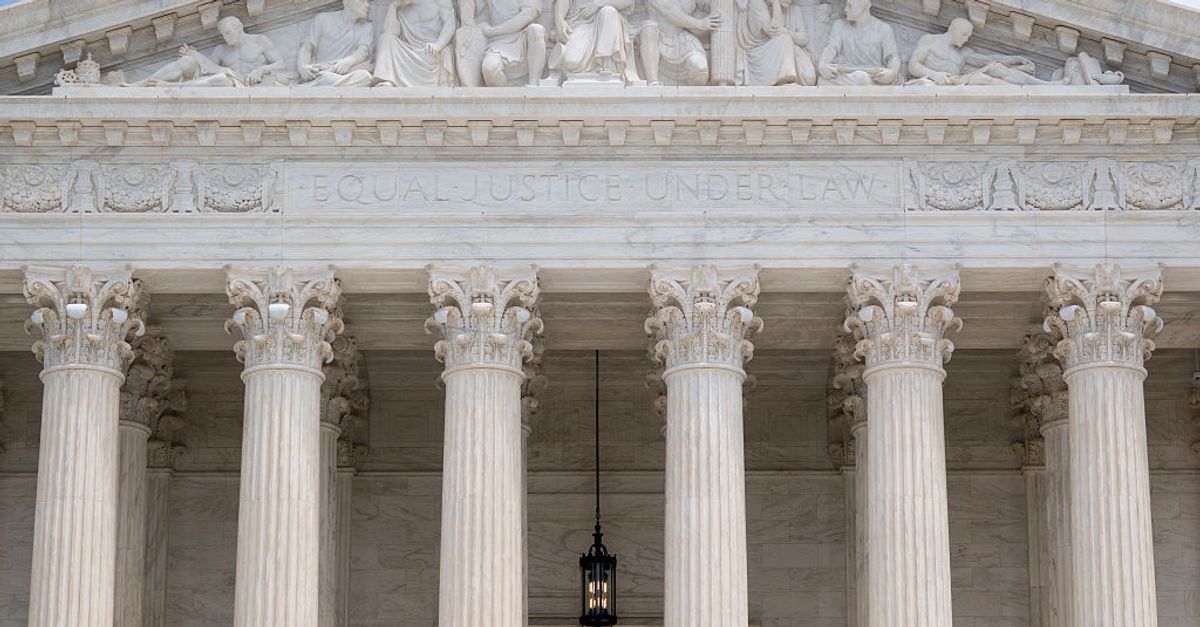
SCOTUS Blocks BOP Transgender Inmate Policy: Upholds Injunction
Summary
- The Supreme Court upheld a lower court's order, blocking a new Federal Bureau of Prisons policy on transgender inmate healthcare.
- The blocked policy would have prevented transgender inmates from receiving hormone therapy and social accommodations like makeup and wigs.
- Justices Alito and Thomas were the only dissenters, indicating they would have allowed the policy to proceed.
- The BOP's policy, adopted in February 2026, was justified by the bureau as being based on "the latest scientific information."
- This decision means the previous standards for transgender inmate care remain in effect, as the challenged policy is unenforceable.
What Happened
Lawyers advising correctional facilities or representing transgender inmates should note that the Trump administration's proposed BOP policy on transgender inmate healthcare and social accommodations remains blocked by a lower court order, which the Supreme Court declined to overturn.
The Supreme Court recently declined to intervene in a lower court's ruling, effectively upholding an injunction that prevents the Federal Bureau of Prisons (BOP) from implementing a new policy concerning healthcare for transgender inmates. This decision, issued on a Wednesday, means that the challenged BOP directive, which would have restricted access to hormone therapy and various social accommodations like makeup, wigs, and padding, remains blocked.
The high court's action came in the form of a brief, unsigned order, which rejected the BOP's request to pause the D.C. federal court's decision. Justices Samuel Alito and Clarence Thomas were the only members of the court to indicate, without providing any rationale, that they would have sided with the Trump administration's request to allow the policy to proceed. This outcome ensures that the existing standards for transgender inmate care continue to apply, as the proposed changes are currently unenforceable.
Background of the Challenged Policy
The contested policy was adopted by the BOP in February 2026. It aimed to alter the provisions for transgender inmates, specifically targeting treatments such as hormone therapy and access to items that assist in gender presentation. The BOP accompanied this new policy with a comprehensive administrative record and a 43-page memorandum, detailing its rationale for the shift.
In its documentation, the BOP asserted that the policy change was driven by what it termed "the latest scientific information." The bureau also noted that its previous guidelines had been based on recommendations from the World Professional Association for Transgender Health, implying a departure from those standards due to perceived changes in the group's guidance.
Regulatory and Political Context
This proposed change in Federal Bureau of Prisons transgender healthcare policy emerged approximately one year after President Donald Trump issued an executive order on the first day of his second term in February 2025. That executive order specifically instructed the attorney general to ensure that federal funds would not be expended for any medical procedure, treatment, or drug intended to conform an inmate's appearance to that of the opposite sex.
Despite the timing, the BOP maintained that its February 2026 policy was adopted "independently of" the February 2025 executive order. This assertion suggests the bureau sought to frame its new directive as an internal policy evolution, separate from direct political mandates, even as it aligned with the broader aims of the Trump administration transgender prisoner policy.
Why It Matters
The Supreme Court's decision to leave the lower court's order in place is a significant development for Supreme Court transgender inmate rights. It means that the D.C. federal court transgender inmate order, which prevents the implementation of the restrictive BOP policy, remains fully operative. Consequently, correctional facilities under federal jurisdiction must continue to adhere to the prior standards for transgender inmate care, including access to hormone therapy and social accommodations.
This ruling underscores the ongoing legal challenges surrounding transgender healthcare in carceral settings and confirms that, for now, the proposed changes by the BOP cannot be enforced. Lawyers advising correctional facilities or representing transgender inmates should note that the Trump administration's proposed BOP policy on transgender inmate healthcare and social accommodations remains blocked by a lower court order, which the Supreme Court declined to overturn.
Practical Implications
Lawyers advising correctional facilities or representing transgender inmates should note that the Trump administration's proposed BOP policy on transgender inmate healthcare and social accommodations remains blocked by a lower court order, which the Supreme Court declined to overturn. This means the previous standards regarding care for transgender inmates continue to apply, and the challenged policy is currently unenforceable.
Source
How does this affect you?
Get an AI analysis of this article grounded in your jurisdictions, practice areas, and any policy documents you've uploaded to Wansom.
Finish Reading the Full Story and the Expert Analysis.
Wansom is AI and can make mistakes.