
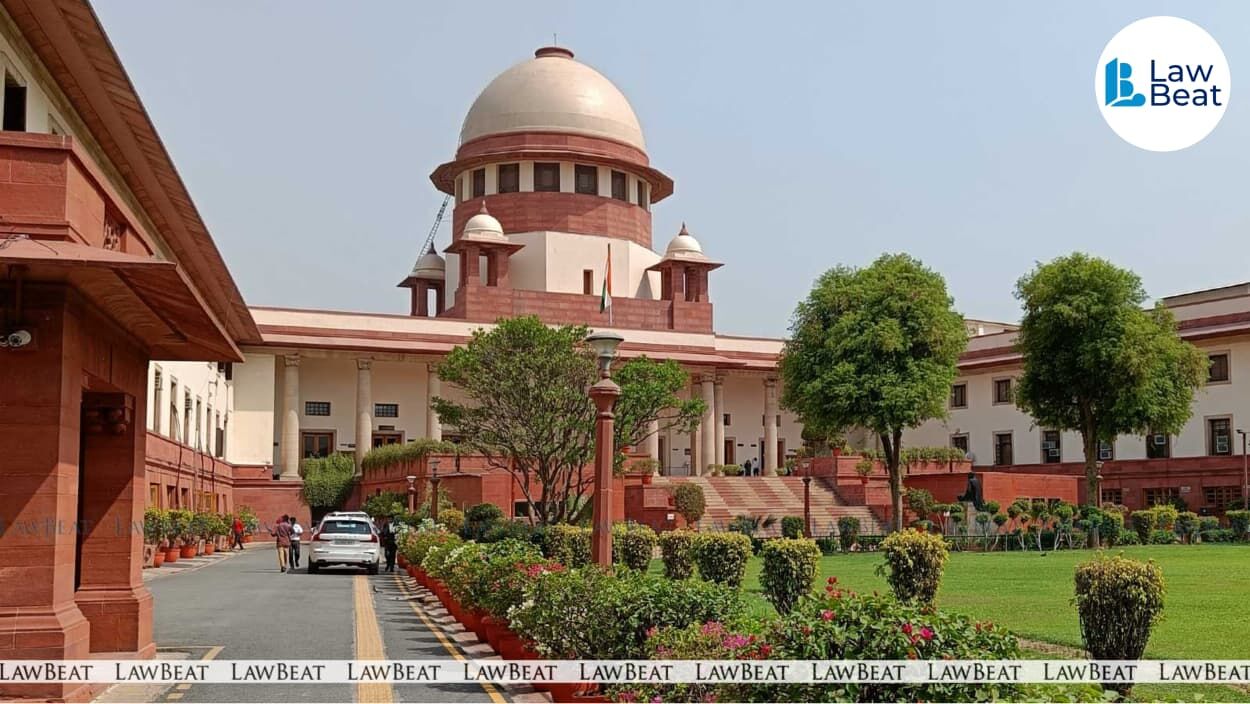
Supreme Court: Caste-Based Abuses in Closed Rooms Not Public View
Summary
- The Supreme Court has ruled that caste-based abuses made inside a closed room do not meet the 'public view' requirement under the SC/ST Act.
- The court quashed a case against a school Manager under Sections 3(1)(r) and 3(1)(s) of the SC/ST Act, citing lack of public witness or hearing.
- This ruling has significant implications for cases related to caste-based abuses, particularly those that occur within closed rooms or private settings.
Supreme Court Ruling on SC/ST Act
In a significant ruling, the Supreme Court has held that caste-based abuses made inside a closed room do not meet the 'public view' requirement under the Scheduled Castes and Scheduled Tribes (Prevention of Atrocities) Act, 1989. The court quashed a case against a school Manager under Sections 3(1)(r) and 3(1)(s) of the SC/ST Act, citing that the alleged utterances were not made in circumstances where members of the public could witness or hear them. This ruling has significant implications for cases related to caste-based abuses, particularly those that occur within closed rooms or private settings.
Legal Context
The SC/ST Act was enacted in 1989 to prevent atrocities against Scheduled Castes and Scheduled Tribes. The Act defines 'atrocities' as including caste-based abuses, which are considered a serious offense under the law. However, the Supreme Court's ruling has introduced a new requirement for establishing caste-based abuse cases: that the alleged utterances must be made in public view. This means that mere presence in a school or other private setting is not sufficient to establish that an individual was subjected to caste-based abuse. The court's decision highlights the importance of carefully assessing whether alleged caste-based abuses occurred in a public setting or within a closed room.
Why It Matters
The Supreme Court's ruling has significant implications for individuals and organizations dealing with allegations of caste-based abuse. Lawyers should note that this decision may limit the scope of SC/ST Act cases, making it essential to carefully assess whether alleged caste-based abuses occurred in a public setting or within a closed room. Compliance officers should review their organizations' policies and procedures for handling caste-based abuse allegations to ensure they align with this new precedent. Furthermore, this ruling underscores the need for greater awareness and education about the SC/ST Act and its provisions, particularly among school administrators and staff.
Practical Implications
Lawyers should note that the Supreme Court's ruling may limit the scope of SC/ST Act cases, making it essential to carefully assess whether alleged caste-based abuses occurred in a public setting or within a closed room. Compliance officers should review their organizations' policies and procedures for handling caste-based abuse allegations to ensure they align with this new precedent.
Source
Source: Original reporting via LawBeat
How does this affect you?
Get an AI analysis of this article grounded in your jurisdictions, practice areas, and any policy documents you've uploaded to Wansom.
Wansom is AI and can make mistakes.