
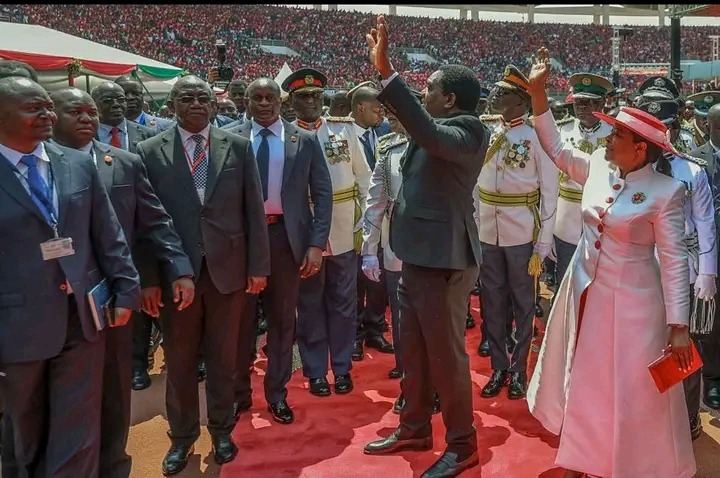
Saviour Chishimba: Zambia Rejects EU Resolution, Demands Respect
Summary
- Saviour Chishimba issued a statement criticizing the European Parliament's resolution concerning Zambia.
- He asserted that Europe should stop "lecturing Africa" on democracy, governance, and human rights.
- Chishimba emphasized Zambia's status as a sovereign African Republic with its own institutions, laws, and constitutional processes.
- The statement called for a firm response to the European Parliament's actions.
- He declared that Zambia would speak for herself, rejecting external tutelage.
Overview of the Diplomatic Stance
The core of Chishimba's message is that Africa should not be treated as a perpetual student in matters of democracy, governance, and human rights.
Saviour Chishimba has issued a robust statement directly addressing the European Parliament, following its recent resolution concerning Zambia. His remarks underscore a clear demand for Europe to cease what he perceives as a condescending approach towards African nations. Chishimba's statement, pointedly titled "EUROPE MUST STOP LECTURING AFRICA: ZAMBIA WILL SPEAK FOR HERSELF," articulates a strong rejection of external tutelage and a call for a more equitable international dialogue.
The core of Chishimba's message is that Africa should not be treated as a perpetual student in matters of democracy, governance, and human rights. He contends that the European Parliament's resolution necessitates a firm and unequivocal response from Zambia, indicating that such interventions are unwelcome. This stance highlights a growing sentiment among some African leaders regarding the nature of their diplomatic engagement with European entities, emphasizing self-determination and mutual respect over perceived external instruction or oversight. The statement directly challenges the premise that European institutions hold a superior position to dictate internal affairs.
Asserting Zambian Sovereignty
Central to Chishimba's declaration is the unequivocal assertion of Zambia's status as a sovereign African Republic. He stressed that the nation possesses its own established institutions, laws, and constitutional processes, which are fundamental to its self-governance and national identity. This emphasis on internal frameworks serves as a direct counterpoint to any external pronouncements that might be interpreted as undermining Zambia's autonomy or questioning its capacity for self-rule.
The statement firmly positions Zambia as a nation capable of managing its own affairs, without requiring lessons on fundamental principles such as democracy, governance, or human rights from European bodies. This perspective reinforces the idea that Zambian sovereignty extends to its internal political and social development, challenging the notion that European standards are universally applicable or that African nations are inherently deficient in these areas. Chishimba's remarks contribute significantly to the broader Africa EU governance debate, advocating for a relationship built on genuine partnership and respect for diverse national paths rather than perceived hierarchy or a donor-recipient dynamic.
Implications for International Relations
The European Parliament's resolution, which prompted Chishimba's forceful statement, has thus ignited a significant diplomatic exchange, highlighting underlying tensions in Zambia EU diplomatic relations. This incident reflects a recurring friction where calls for accountability from international bodies often clash with national assertions of sovereignty and the principle of non-interference in internal affairs. Chishimba's declaration that "Zambia will speak for herself" is not merely a rhetorical flourish but a clear articulation of the country's foreign policy stance, advocating for independent discourse on its national trajectory and a rejection of paternalistic oversight.
This public rebuke signals a desire for a re-evaluation of how international bodies, particularly those from Europe, engage with African states on sensitive internal matters, including human rights. It underscores the importance of respecting the distinct constitutional processes and legal frameworks that exist within sovereign nations like Zambia. The statement serves as a potent reminder that while international cooperation is valued, it must be predicated on an understanding of equality and respect for national self-determination, rather than a continuation of historical power dynamics or perceived moral superiority.
Practical Implications
This article reports a political statement regarding Zambia's sovereignty and its relationship with the European Parliament. While it highlights diplomatic tensions, it does not present a direct, immediate actionable legal implication for lawyers or compliance officers in terms of new laws, regulations, or specific compliance requirements.
Source
How does this affect you?
Get an AI analysis of this article grounded in your jurisdictions, practice areas, and any policy documents you've uploaded to Wansom.
Finish Reading the Full Story and the Expert Analysis.
Get the latest legal & regulatory intelligence in Zambia
Wansom is AI and can make mistakes.