
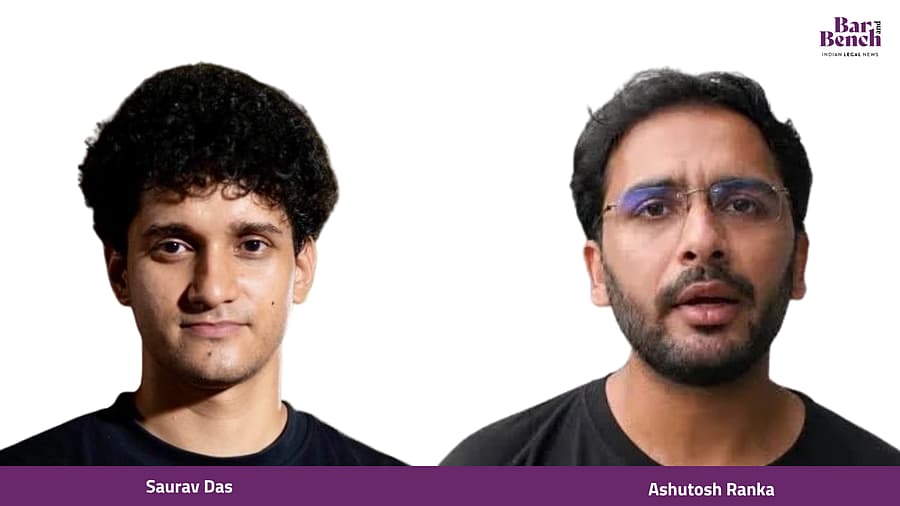
Delhi SEM Court: Saurav Das Ashutosh Ranka Judicial Custody Extended 2 Days
Summary
- Saurav Das and Ashutosh Ranka, activists from the Cockroach Janta Party, had their judicial custody extended by two days.
- A Special Executive Magistrate court in Delhi issued the extension on Monday after a police request.
- The activists were initially detained on October 13 for allegedly climbing gates at the barricaded Jantar Mantar site.
- They were first sent to judicial custody for five days on October 14, which concluded on Monday.
- The CJP is protesting alleged irregularities in electoral rolls and demanding the resignation of Chief Election Commissioner Gyanesh Kumar.
Custody Extension Granted
A Special Executive Magistrate court in Delhi has ordered a two-day extension of the judicial custody for Saurav Das and Ashutosh Ranka, prominent activists associated with the Cockroach Janta Party (CJP).
A Special Executive Magistrate court in Delhi has ordered a two-day extension of the judicial custody for Saurav Das and Ashutosh Ranka, prominent activists associated with the Cockroach Janta Party (CJP). This decision means the two individuals, who are part of the CJP activists Delhi custody, will remain incarcerated for an additional period. The extension was granted on Monday following a request from the Delhi Police, who presented the activists before the SEM as their initial five-day judicial custody concluded.
Das and Ranka were originally taken into custody by the Delhi Police on October 13. Their detention stemmed from an incident at Jantar Mantar, where they reportedly gained entry to the barricaded protest site by scaling its gates. The following day, October 14, a judicial order placed them in custody for five days, which has now been prolonged through this latest Saurav Das Ashutosh Ranka judicial custody extension.
Background to the Arrests
The initial Jantar Mantar protest arrest of Das and Ranka on October 13 was directly linked to their activism with the Cockroach Janta Party. This organization has been vocal in its opposition to what it describes as irregularities within the Special Intensive Revision (SIR) of electoral rolls. Their public demonstrations and actions are aimed at drawing attention to these alleged discrepancies and pressing for accountability.
A key demand articulated by the CJP, and central to the activists' protest, is the immediate resignation of Chief Election Commissioner Gyanesh Kumar. The group's activities, including the incident at Jantar Mantar, are part of a broader campaign to highlight their concerns regarding the integrity of the electoral process. The Special Executive Magistrate custody order for their continued detention underscores the ongoing legal process following their protest actions.
Legal Process and Context
The decision to grant the Saurav Das Ashutosh Ranka judicial custody extension was made by a Special Executive Magistrate, an official empowered to handle certain judicial functions, including ordering detention. In this instance, the Delhi Police formally requested the extension, a common procedural step when investigations are ongoing or further legal processes are anticipated. The SEM court reviewed the police's submission and approved the additional two days of custody.
Judicial custody implies that the individuals are held under the court's authority, typically in a prison facility, rather than in police custody where interrogation might be the primary purpose. This type of Special Executive Magistrate custody order is a standard part of the legal process for individuals arrested during public demonstrations, particularly when formal charges or further inquiries are pending, reflecting the court's assessment that their continued detention is warranted at this stage of the proceedings.
Significance of CJP Activism
The ongoing detention of Saurav Das and Ashutosh Ranka highlights the persistent efforts of the Cockroach Janta Party to bring attention to specific governance issues. Their core grievances revolve around alleged flaws in the Special Intensive Revision of electoral rolls, which they contend undermine democratic processes. The CJP's public stance, including their demand for the resignation of Chief Election Commissioner Gyanesh Kumar, positions them as a critical voice on electoral transparency.
The continued CJP activists Delhi custody, following the Jantar Mantar protest arrest, serves as a reminder of the legal consequences faced by individuals engaging in direct action to express political dissent. While the immediate focus is on the Saurav Das Ashutosh Ranka judicial custody extension, the underlying issues raised by the CJP regarding electoral integrity remain central to their advocacy. The legal proceedings against these activists are a direct outcome of their commitment to these causes.
Practical Implications
This article reports on a routine extension of judicial custody for activists, offering no direct actionable legal implication for lawyers or compliance officers beyond observing ongoing protest-related legal proceedings.
Source
How does this affect you?
Get an AI analysis of this article grounded in your jurisdictions, practice areas, and any policy documents you've uploaded to Wansom.
Finish Reading the Full Story and the Expert Analysis.
Get the latest legal & regulatory intelligence in India
Wansom is AI and can make mistakes.