
Delhi Court: Satyendar Jain Bail Granted, ACB Digital Evidence Insufficient
Summary
- A Delhi court granted bail to Satyendar Jain in the Delhi Jal Board corruption case.
- Special Judge Dig Vinay Singh found no digital evidence, including WhatsApp chats or phone records, connecting Jain to alleged kickbacks or hawala transactions.
- The court observed that the Anti-Corruption Branch "rushed" to arrest Jain without sufficient prior investigation.
- Jain was already in custody for a separate money laundering case when the contracts in question were awarded in July 2022.
- No objections have been raised regarding the quality or standards of the sewage treatment plants involved in the case.
Court Grants Bail to Satyendar Jain
Special Judge Dig Vinay Singh explicitly stated that the ACB ought to have conducted a more thorough investigation or gathered more substantial evidence before proceeding with the arrest.
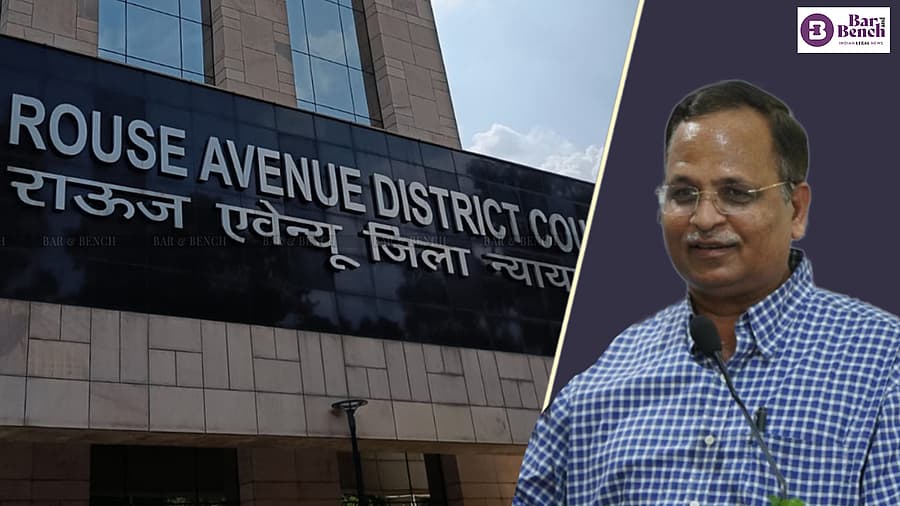
A Delhi court recently granted bail to Aam Aadmi Party (AAP) leader Satyendar Jain in connection with the Delhi Jal Board (DJB) corruption case. The case centers on alleged irregularities in the tendering process for sewage treatment plants (STPs). Special Judge (PC Act) Dig Vinay Singh, presiding over the Rouse Avenue Court, issued the ruling on Thursday, concluding that the Anti-Corruption Branch (ACB) had not presented sufficient evidence to warrant Jain's continued detention.
The court's decision highlighted significant concerns regarding the investigative agency's approach, particularly its reliance on digital evidence. Judge Singh made a preliminary finding that the material presented by the ACB, including various digital communications, failed to establish a direct link between Jain and the alleged illicit activities. This pivotal determination underscored the court's view that the prosecution's case, at this stage, lacked the necessary evidentiary foundation to keep the former minister in custody.
Digital Evidence Fails to Connect Jain to Kickbacks
A key aspect of the court's examination revolved around the digital evidence submitted by the Anti-Corruption Branch. Judge Dig Vinay Singh specifically noted that none of the WhatsApp chats flagged by the ACB implicated Satyendar Jain in any wrongdoing. Furthermore, the court found an absence of phone records or SMS messages that could connect Jain to either the alleged kickbacks or the hawala transactions involving other co-accused individuals in the Delhi Jal Board corruption case. This lack of corroborating digital evidence proved crucial in the court's assessment.
Adding to the court's skepticism was the timeline of events. It was an admitted fact during the proceedings that the contracts pertinent to the sewage treatment plants were officially awarded in July 2022. Significantly, Satyendar Jain had already been arrested on May 30, 2022, in an entirely different matter and remained in custody during the period when these contracts were finalized. He was, in fact, incarcerated in relation to a separate money laundering case at the relevant time, further weakening any direct connection to the contract awards.
ACB Criticized for 'Rushed' Arrest and Insufficient Investigation
The court did not shy away from criticizing the Anti-Corruption Branch's investigative methods, observing that the agency appeared to have “rushed” to arrest Satyendar Jain. Special Judge Dig Vinay Singh explicitly stated that the ACB ought to have conducted a more thorough investigation or gathered more substantial evidence before proceeding with the arrest. This judicial commentary underscores the importance of due diligence and comprehensive evidence collection by law enforcement agencies in corruption cases.
Further undermining the prosecution's claims, the judge pointed out that, to date, no objections had been raised from any quarter concerning the quality of work performed or the treatment standards achieved by the sewage treatment plants in question. The Delhi Pollution Control Committee (DPCC) regularly monitors the effluent standards of these STPs and has not, according to the court, raised any concerns. While acknowledging that some decisions made by Jain might “raise eyebrows” and that he “may not be innocent,” Judge Singh ultimately concluded that these suspicions were insufficient grounds to deny him bail at this juncture.
Practical Implications
This ruling provides a significant precedent regarding the evidentiary standards, particularly for digital evidence, required for arrest and denial of bail in corruption cases, emphasizing due process and thorough investigation by law enforcement agencies. Lawyers can cite this in bail applications challenging the sufficiency of evidence presented by investigative bodies.
Source
How does this affect you?
Get an AI analysis of this article grounded in your jurisdictions, practice areas, and any policy documents you've uploaded to Wansom.
Finish Reading the Full Story and the Expert Analysis.
Wansom is AI and can make mistakes.