
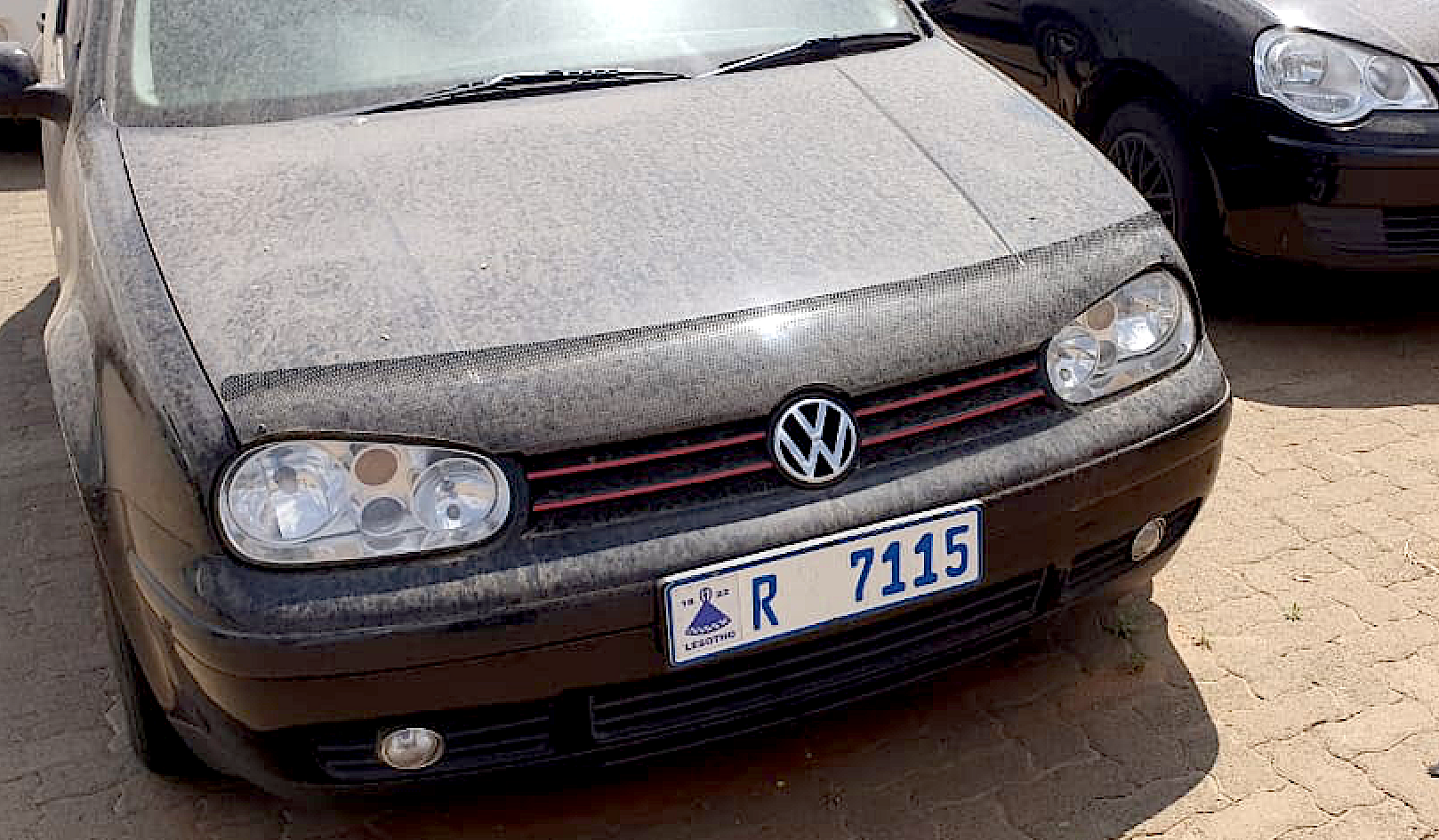
SARS: Foreign Vehicle Class Action Challenges TMS Declaration Rule
Summary
- Nearly 2,900 motorists have joined a planned class action against SARS over a requirement for foreign-registered vehicles to declare on its Traveller Management System.
- The requirement, introduced in June 2026, mandates a temporary import permit for all foreign-registered vehicles in South Africa, including those from SACU member states.
- Critics argue SARS is misinterpreting the Customs and Excise Act by demanding these vehicles be declared as 'imports' and creating an unlawful two-tier system for SACU members.
- Businessman Joaquim Alves experienced his Lesotho-registered vehicle impounded, leading to his arrest and a legal battle that saw the Supreme Court of Appeal dismiss SARS's appeal.
- MC Radebe Attorneys is organizing the class action, contending that SARS's policy on temporary import permits for foreign vehicles amounts to extortion and lacks legislative backing for certain claims.
The Class Action Against SARS
Mkhosi Radebe of MC Radebe Attorneys argues that the requirement for foreign-registered vehicles to obtain temporary import permits effectively establishes an "unlawful two-tier system" for SACU members.
A significant legal challenge is mounting against the South African Revenue Service (SARS), with nearly 2,900 motorists joining a planned class action. This collective legal effort targets a specific SARS requirement mandating that all foreign-registered vehicles declare their presence on the agency's Traveller Management System (TMS). The contentious rule, which came into effect in June 2026, applies broadly to all vehicles registered outside South Africa, encompassing those from member states of the Southern African Customs Union (SACU), namely Botswana, eSwatini, Lesotho, and Namibia.
Under this regulation, vehicle owners are required to register their vehicles either online or at border crossings, after which SARS issues a temporary import permit valid for a period of six months. The firm MC Radebe Attorneys is spearheading the organization of this Sars foreign vehicle class action, aiming to address what they describe as an unlawful imposition on motorists.
Contesting Regulatory Interpretation
At the heart of the dispute is the interpretation of the Customs and Excise Act foreign vehicles provisions and the legality of the SACU temporary import permit South Africa. A substantial number of second-hand foreign vehicles, predominantly originating from Japan, are sold annually in neighboring SACU countries like Lesotho. These vehicles are explicitly prohibited from sale within South Africa, a measure designed to safeguard the nation's domestic vehicle manufacturing industry.
However, critics, including legal representatives involved in the class action, contend that SARS is overstepping its authority and misinterpreting the relevant legislation by insisting these vehicles be declared as "imports" at the border. Mkhosi Radebe of MC Radebe Attorneys argues that the requirement for foreign-registered vehicles to obtain temporary import permits effectively establishes an "unlawful two-tier system" for SACU members. This is particularly contentious given that duties for these vehicles were already paid to the SACU upon their initial importation into the customs union.
The Alves Case: A Precedent of Conflict
The contentious nature of SARS's policy is starkly illustrated by the experience of Joaquim Alves, a businessman based in Ficksburg. His Lesotho-registered Nissan Serena, valued at R40,000 at the time, was impounded by customs officials who asserted the necessity of an import permit for his travel on South African roads. Alves disputed this claim vehemently; his attempt to retrieve his own vehicle from the municipal pound subsequently led to his arrest for theft.
Following his arrest, Alves was detained for a weekend and required hospitalization due to an exacerbated medical condition. Although a local magistrates court ordered the release of his vehicle, Alves maintains that SARS failed to comply with this directive. His persistent legal battle escalated through the Bloemfontein High Court and ultimately reached the Supreme Court of Appeal (SCA), which dismissed SARS’s application for special leave to appeal. Despite incurring substantial legal expenses for a vehicle of relatively modest value, Alves has not recovered his car and suspects it has been demolished, underscoring the severe personal impact of these regulations.
Broader Implications and Allegations
The Sars Traveller Management System challenge extends beyond individual cases, highlighting systemic issues affecting communities along South Africa's borders. Residents in towns such as Ficksburg and Ladybrand, who frequently cross into Lesotho with their Lesotho-registered vehicles, have consistently reported instances of harassment by customs officials upon their return. These neighboring countries host a significant market for such vehicles, which can be acquired for as little as R30,000.
SARS, however, maintains that these vehicles must possess valid temporary import permits to operate on South African roads, irrespective of duties already paid to the SACU. Alves asserts that SARS's actions are unlawful, arguing that the forced acquisition of an import permit implies an admission of importing goods into South Africa, which he contends is not the case. He further alleges that SARS's threats of vehicle seizure and penalties for non-compliance constitute "extortion." Alves also disputes SARS's claim that South African citizens are prohibited from owning or driving these vehicles, stating there is no legislative basis for such a restriction. He has since escalated his concerns by reporting the matter to the South African Human Rights Commission, emphasizing the significant legal and human rights dimensions of this ongoing Sars foreign vehicle class action.
Practical Implications
Legal professionals should advise clients, particularly those operating or residing near South Africa's borders with SACU nations, on the ongoing legal challenge against SARS's requirement for temporary import permits for foreign-registered vehicles. This class action could clarify the interpretation of the Customs and Excise Act, impact compliance obligations, and provide grounds to contest vehicle seizures or penalties related to the Traveller Management System.
Source
Source: Original reporting via Moneyweb
How does this affect you?
Get an AI analysis of this article grounded in your jurisdictions, practice areas, and any policy documents you've uploaded to Wansom.
Finish Reading the Full Story and the Expert Analysis.
Wansom is AI and can make mistakes.