
Paris Court: Sarah Talib Paris Terrorism Conviction Gets 9 Years
Summary
- Sarah Talib, a 31-year-old French national, was sentenced to nine years in prison by a Paris court for participating in a terrorist criminal organization.
- She left France at age 19 to join the Islamic State group in Syria.
- The Specially Composed Assize Court heard conflicting narratives about her radicalization, including childhood trauma and voluntary engagement with ISIS propaganda.
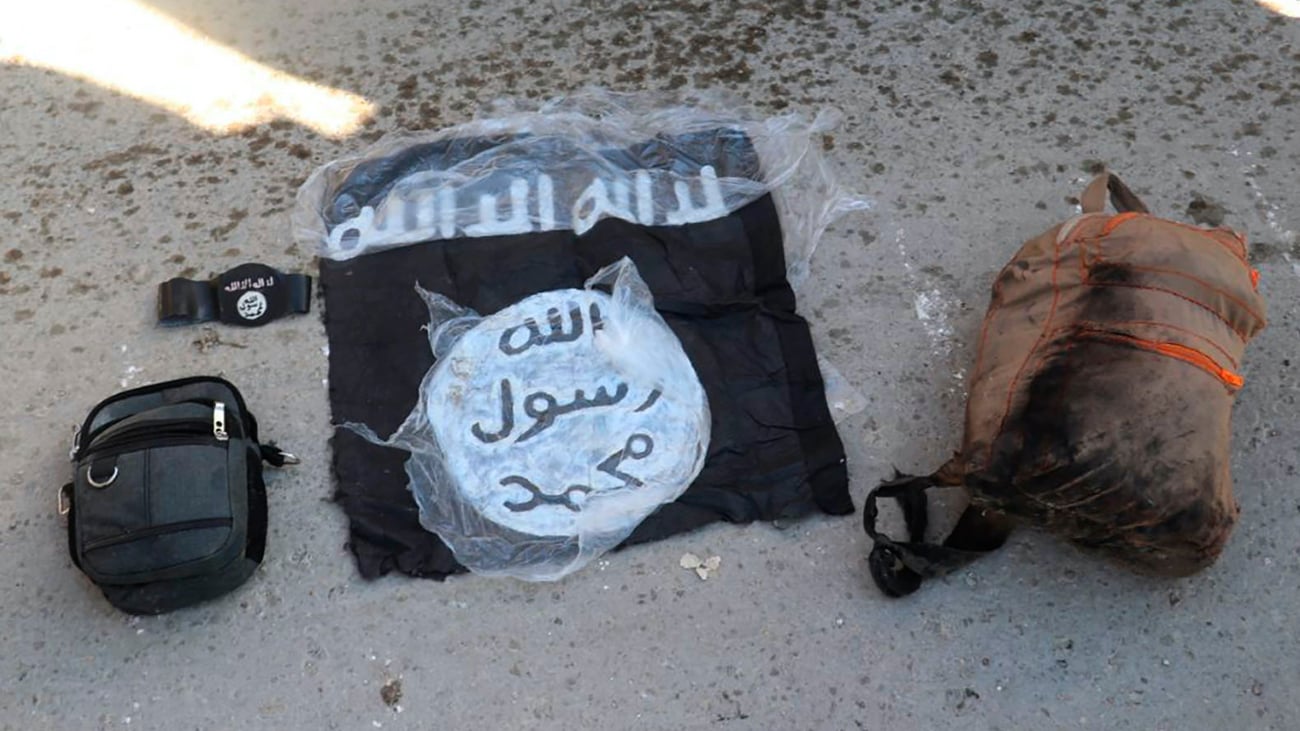
- Evidence included photos and text messages from Syria, one depicting an explosive belt.
- Her case highlights the judicial approach to repatriated foreign fighters and the roles of women in extremist groups.
French National Convicted for ISIS Affiliation
The Sarah Talib Paris terrorism conviction is a pivotal case that sheds light on the complex issue of women's roles within terrorist organizations and the challenges of prosecuting individuals repatriated from conflict zones.
A Paris court specializing in terrorism cases has handed down a nine-year prison sentence to Sarah Talib, a 31-year-old French national, following her conviction for participating in a terrorist criminal organization. The verdict, which was delivered on a Friday but not publicly released until several days later, concludes a significant trial for a repatriated French foreign fighter. Talib, who was 19 when she departed France to join the Islamic State group in Syria, has now faced justice over a decade after her initial radicalization.
The Specially Composed Assize Court, tasked with adjudicating terrorism offenses, meticulously examined Talib's journey from a fashion-conscious adolescent to a woman living under ISIS rule in Syria, reportedly wielding a Kalashnikov. Her case has drawn particular attention for its insights into the roles women played within such extremist organizations. The court's proceedings sought to reconcile conflicting narratives regarding her motivations and level of involvement during her time with the group.
Conflicting Narratives of Radicalization
During the trial, two distinct portrayals of Sarah Talib emerged. One narrative highlighted a history of profound childhood trauma, suggesting these experiences contributed to her vulnerability. Testimony revealed that Talib's father was a violent alcoholic who abused her mother and was found deceased in the Seine in 2008. Her mother recounted a home environment marked by aggression and shattered dishes, noting that her children grew up amidst such turmoil. As a teenager, Talib also endured bullying for her appearance and experienced a sexual assault, further compounding her early life difficulties.
This perspective was supported by Xavier Crettiez, a political science professor specializing in radicalization, who observed that women who joined ISIS often shared histories of trauma, including sexual assault. He suggested that committing to the caliphate and its violent ideology could, for some, represent a distorted attempt to heal from personal wounds. However, a contrasting narrative presented Talib as an individual who willingly embraced the Islamic State group's ideology and showed no desire to return. Her mother testified to Talib's increasing radicalization during her teenage years, initially dismissing her daughter's newfound devoutness as simple prayer, unaware of the deeper transformation occurring. Talib married at 18 and, with her husband, began consuming ISIS propaganda online. Despite her mother's attempts to prevent her departure, Talib, then a legal adult, left France with her husband. The couple subsequently purchased return tickets to Turkey to avoid suspicion before being smuggled into Syria, where Talib, then 19 and pregnant, joined the caliphate. Evidence presented included photos and text messages Talib sent to her estranged older brother from Syria in 2015, one of which depicted an explosive belt with the caption, "A beautiful, 3-kilogram explosive belt. Lol."
Judicial Approach to Repatriated Foreign Fighters
The prosecution of Sarah Talib by the Specially Composed Assize Court underscores France's robust counter-terrorism law framework and its commitment to holding French foreign fighters accountable. This specialized court is designed to handle complex terrorism cases, ensuring a thorough judicial process for individuals like Talib who joined extremist groups abroad. Her conviction for participating in a terrorist criminal organization reflects the severe legal consequences faced by those who align themselves with such entities, even if their roles were not directly combat-oriented.
Talib's case also provides a recent example of how French courts are prosecuting repatriated foreign fighters, particularly women, who joined ISIS. While her nine-year sentence is substantial, it contrasts with other high-profile terrorism cases, such as the ongoing appeal for Kaïs Al-Abdallah, who was sentenced to 20 years in 2025 for his involvement with ISIS in Syria and the kidnapping of two French journalists in 2013. This distinction highlights the varied nature of charges and sentences within France's counter-terrorism efforts, depending on the specific actions and evidence presented in each trial.
Significance for France's Counter-Terrorism Efforts
The Sarah Talib Paris terrorism conviction is a pivotal case that sheds light on the complex issue of women's roles within terrorist organizations and the challenges of prosecuting individuals repatriated from conflict zones. Her trial, conducted under France's stringent counter-terrorism law, provided a public forum to explore the multifaceted pathways to radicalization, from deep-seated personal trauma to active engagement with extremist propaganda. The court's deliberations in this Repatriated ISIS member trial illustrate the judicial system's efforts to understand and address the motivations behind such affiliations, even when faced with conflicting evidence.
This French foreign fighter prosecution serves as a crucial precedent for future cases involving individuals returning from areas controlled by groups like ISIS. The detailed examination of Talib's past, her radicalization, and her actions while in Syria offers valuable insights for legal professionals and policymakers grappling with the aftermath of foreign fighter involvement. The outcome reinforces the message that participation in terrorist criminal organizations, regardless of gender or specific role, carries severe penalties under French law, contributing to the ongoing discourse on how to effectively address the threat posed by returning extremists.
Practical Implications
This case provides a recent example of how French courts are prosecuting repatriated foreign fighters, particularly women, who joined ISIS. Lawyers advising on international criminal law or counter-terrorism should note the judicial approach to evidence and sentencing in such complex cases.
Source
How does this affect you?
Get an AI analysis of this article grounded in your jurisdictions, practice areas, and any policy documents you've uploaded to Wansom.
Finish Reading the Full Story and the Expert Analysis.
Get the latest legal & regulatory intelligence in United States
Wansom is AI and can make mistakes.