
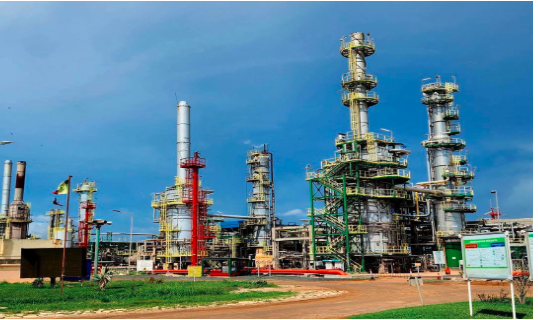
SAR Sénégal: Personnel Demands Audit of Management Recruitments, Threatens Strike
Summary
- Personnel representatives at SAR Sénégal are threatening a strike over the company's management recruitment policy.
- They report a doubling of directors from 7 to 14 and an increase in department heads from 15 to 27, leading to higher company charges.
- The delegates are demanding an audit of all management nominations over the past two years to verify procedural compliance and financial impact.
- They plan to file a strike notice and may involve the Inspection du travail du Sénégal if their demands are not met.
- The dispute highlights broader governance concerns and the potential for social tension in Senegalese public and parastatal companies.
Escalating Tensions Over Recruitment at SAR Sénégal
This development signals increased scrutiny on recruitment practices and corporate governance within Senegalese public and parastatal entities, urging legal and compliance teams to review internal hiring policies and dispute resolution mechanisms.
Personnel representatives at the Société africaine de raffinage (SAR) have announced a significant hardening of their stance, threatening a strike amidst a protracted dispute over the company's recruitment policy. Following several months of discussions that have failed to yield progress, the delegates are now openly contesting the General Management's approach to hiring, particularly for leadership roles. This escalating conflict underscores a deep-seated disagreement regarding the strategic direction and financial management of the crucial Senegalese entity.
The core of the contention revolves around a perceived proliferation of management positions. According to the workers, the number of directors within SAR has doubled from 7 to 14, while the count of department heads has increased from 15 to 27. This expansion, they argue, is directly contributing to a substantial rise in the company's operational charges. Furthermore, the representatives highlight an imbalance where technical and operational staff are deemed insufficient, contrasting sharply with a multiplication of administrative roles, which some delegates have controversially labeled as "political and poetic" appointments.
Demands for Audit and Regulatory Intervention
In response to these concerns, the SAR personnel are demanding an independent audit of all management nominations made over the past two years. This proposed audit aims to scrutinize the adherence to established procedures during these recruitments and to thoroughly assess their financial implications for the refinery. The delegates emphasize that such an examination is crucial for ensuring transparency and accountability within the company's governance framework.
Should their demands not be met, the workers are prepared to take further action, including the imminent filing of a strike notice. They have also indicated their intention to involve the Inspection du travail du Sénégal, signaling a potential escalation to formal labor dispute resolution mechanisms. The representatives assert that their actions are driven by a commitment to protect the interests of the personnel and to safeguard the long-term sustainability of the refinery, which they consider vital for Senegal's energy sovereignty.
Broader Implications for Public Sector Governance
The ongoing dispute at SAR Sénégal extends beyond the confines of a single company, reflecting broader challenges in the governance of public and parastatal enterprises across the nation. The delegates' concerns about recruitment practices and the financial impact of management appointments resonate with similar issues observed elsewhere, where nominations can frequently become a catalyst for social tension and internal conflict. This situation highlights the critical need for robust and transparent hiring processes within state-owned entities.
For instance, the SYNPICS union at Télé Diffusion du Sénégal (TDS) has also voiced strong objections to what it describes as clientelist recruitments and nominations that reportedly contravene recommendations from the Board of Directors, contributing to a "deleterious" social climate. The historical context of SAR, which experienced significant crises in both 2006 and 2020, further underscores the importance of sound corporate governance and effective dispute resolution. This development signals increased scrutiny on recruitment practices and corporate governance within Senegalese public and parastatal entities, urging legal and compliance teams to review internal hiring policies and dispute resolution mechanisms.
Practical Implications
This development signals increased scrutiny on recruitment practices and corporate governance within Senegalese public and parastatal entities. Legal and compliance teams should review internal hiring policies and dispute resolution mechanisms to mitigate risks of labor unrest and regulatory intervention, particularly concerning transparency and financial impact of management appointments.
Source
Source: Original reporting via Xibaaru
How does this affect you?
Get an AI analysis of this article grounded in your jurisdictions, practice areas, and any policy documents you've uploaded to Wansom.
Finish Reading the Full Story and the Expert Analysis.
Wansom is AI and can make mistakes.