
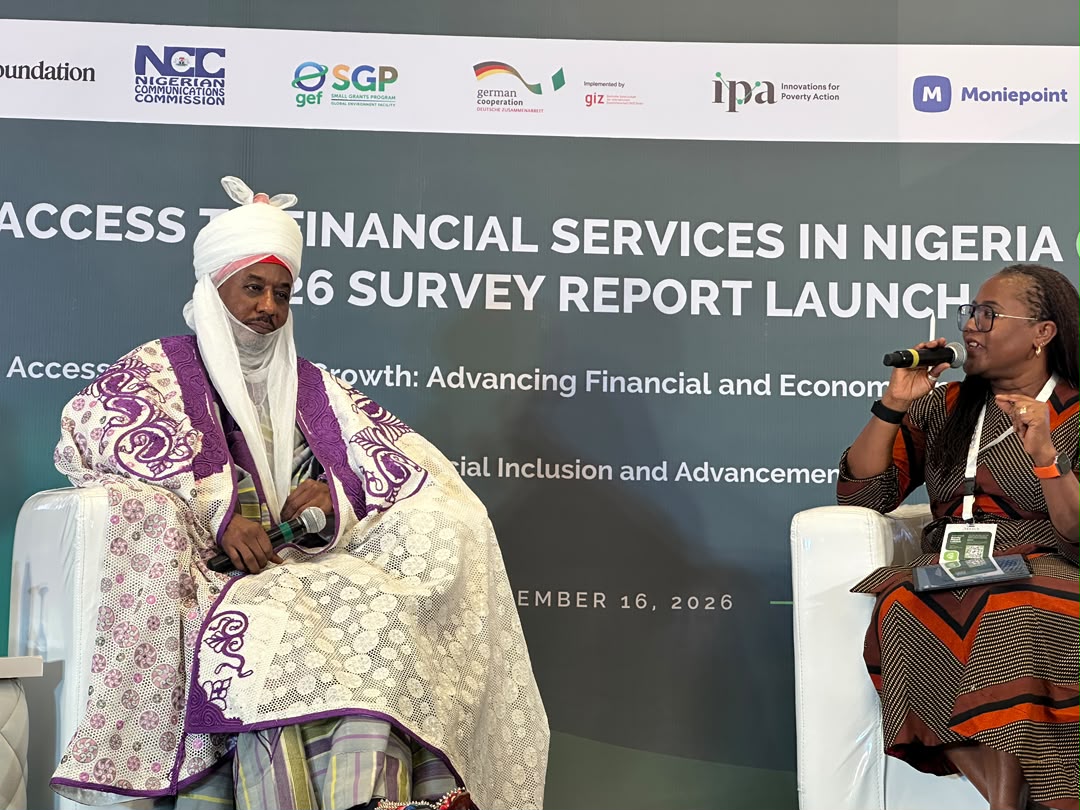
Sanusi Lamido: Acknowledges Delaying Nigeria Telco Financial Entry
Summary
- Former CBN Governor Sanusi Lamido revealed that a decision he made delayed the entry of telecommunications companies into Nigeria's financial services sector.
- He identified three policy areas he would have handled differently during his tenure, but only disclosed one during a recent discussion.
- This historical regulatory choice significantly impacted the development of mobile money and financial inclusion in Nigeria.
- The decision reflects a cautious approach to integrating mobile network operators into banking services during that period.
- Understanding this past policy is crucial for legal and business stakeholders navigating Nigeria's current fintech and telecom regulatory environment.
Former CBN Governor Reflects on Policy Decisions
His candid reflection provides valuable context for understanding the foundational decisions that have influenced the current structure of the nation's financial ecosystem.
Sanusi Lamido, who currently serves as the Emir of Kano and previously served as the Governor of the Central Bank of Nigeria (CBN), recently offered a retrospective insight into a pivotal policy decision made during his tenure. He openly acknowledged that a choice he made directly contributed to delaying the entry of telecommunications companies into Nigeria's burgeoning financial services sector. This revelation sheds light on the historical regulatory landscape that shaped the evolution of fintech and mobile money operations in the country.
During a recent discussion, the former CBN chief indicated that he could identify three distinct areas where, with the benefit of hindsight, he would have pursued a different course of action. However, he chose to elaborate on only one of these specific instances, which pertained directly to the regulatory framework governing the participation of mobile network operators in banking Nigeria. His candid reflection provides valuable context for understanding the foundational decisions that have influenced the current structure of the nation's financial ecosystem.
Historical Regulatory Stance and Its Impact
The decision by Sanusi Lamido, as the then-head of the CBN, to delay the full-scale entry of telcos into the financial space had significant ramifications for the development of mobile money services and broader financial inclusion efforts across Nigeria. At a time when many other African nations were rapidly adopting mobile-led financial solutions, Nigeria's approach was more cautious, prioritizing a traditional banking model over the potential disruptive innovation offered by telecom giants. This historical regulatory stance meant that the robust infrastructure and extensive reach of mobile network operators were not immediately leveraged to bridge Nigerian financial inclusion barriers, particularly in rural and underserved areas.
This policy choice is a crucial part of the CBN telco licensing policy history, illustrating the delicate balance regulators often seek between fostering innovation, ensuring financial stability, and protecting consumers. The delay meant that while the potential for telcos to drive widespread access to financial services was recognized, the regulatory framework was not yet aligned to facilitate their direct participation, leading to a more gradual and controlled integration of technology companies into the financial sector. Understanding this past approach is vital for legal professionals advising clients on market entry strategies and compliance within Nigeria's evolving fintech landscape.
Lessons for Modern Fintech and Market Entry
The former CBN Governor's acknowledgment underscores the long-term implications of regulatory decisions on market development and competition within the financial services industry. His reflection highlights how past policies, even those made with specific intentions, can significantly shape the trajectory of sectors like mobile money and digital payments. For legal practitioners and businesses eyeing the Nigerian market, this historical context is invaluable, offering insights into the regulatory philosophy that has historically governed the intersection of telecommunications and finance.
Today, as Nigeria telco financial services regulation continues to evolve, with greater emphasis on leveraging technology for financial inclusion, Sanusi Lamido's comments serve as a reminder of the complex considerations involved in opening up regulated sectors. The ongoing efforts to expand access to financial services, often through partnerships between traditional banks and mobile network operators, are built upon a foundation laid by these earlier regulatory choices. This historical perspective is essential for navigating the current environment and anticipating future policy shifts impacting market entry and operational strategies for fintech and telecom entities.
Practical Implications
This retrospective insight from former CBN Governor Sanusi Lamido provides context for lawyers advising clients in Nigeria's fintech and telecom sectors, highlighting historical regulatory perspectives that continue to influence market entry and competition in financial services.
Source
How does this affect you?
Get an AI analysis of this article grounded in your jurisdictions, practice areas, and any policy documents you've uploaded to Wansom.
Finish Reading the Full Story and the Expert Analysis.
Get the latest legal & regulatory intelligence in Nigeria
Wansom is AI and can make mistakes.