
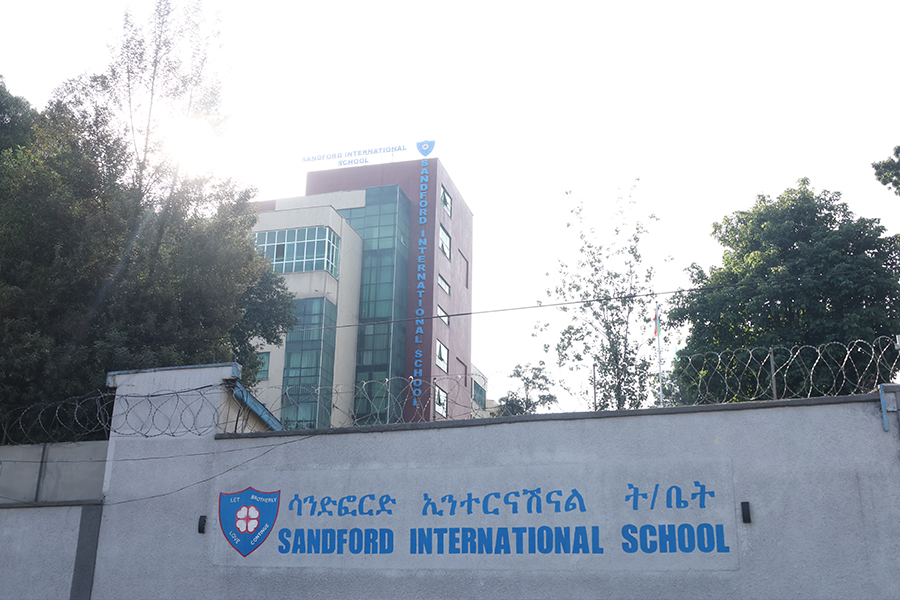
Sandford School Fee Dispute: Ethiopia Court Issues Injunction
Summary
- The Federal High Court in Ethiopia has issued an emergency injunction preventing Sandford International School from expelling students with unpaid fee balances.
- The court order also bars the school from reassigning or giving away the enrollment seats of affected students.
- The core litigation involves whether tuition fees can lawfully be billed and collected in US dollars rather than local Ethiopian Birr.
- Judges issued the interim relief during a limited session designated for urgent legal matters.
Emergency Court Order Halts Student Expulsions
Corporate counsel advising expatriate employees and legal advisors for international private institutions in Ethiopia should review tuition payment contracts and currency denomination clauses, taking note that federal courts are willing to grant emergency injunctive relief against student expulsions while the legality of demanding tuition in foreign currency is litigated.
In a significant intervention by Ethiopia's judicial system, judges sitting during a limited session at the Federal High Court have issued an emergency injunction prohibiting the administration of Sandford International School from removing students due to outstanding fee balances. The court's ruling strictly forbids the educational institution from expelling affected enrolled children or reassigning their places to prospective applicants while legal proceedings remain ongoing.
This interim judicial directive stems from an escalating Sandford school fee dispute injunction Ethiopia legal battle centered on tuition settlement terms. Rather than permitting the institution to take immediate administrative remedies against non-paying families, the court opted to maintain the status quo, ensuring that children retain their academic placement as the core disagreement moves through the legal system.
Disputed Currency Regulations at the Core
At the center of this legal contest is a fundamental disagreement regarding currency denomination and exchange controls applicable to educational institutions in the country. The dispute pits parents against the school management over whether tuition obligations must be settled in Ethiopian Birr or paid in United States dollars. This controversy directly engages broader themes concerning Ethiopia foreign currency tuition foreign exchange regulations and the statutory mandates governing domestic payment transactions.
While private international institutions often seek payments pegged to or denominated in foreign currencies to hedge against foreign exchange risk and cover international overhead, local monetary policy and domestic legal frameworks strictly regulate legal tender within the jurisdiction. The ongoing litigation before the bench addresses the enforceability of tuition contracts that mandate foreign currency payments, highlighting the unresolved friction between institutional administrative demands and Ethiopian private school fee payment Birr vs dollar standards.
Broader Implications for International Institutions and Counsel
The Federal High Court Ethiopia school fee ruling underscores the readiness of the judiciary to grant interim relief to safeguard consumer access to essential services, such as education, even during limited court sitting periods reserved for urgent matters. For legal practitioners and corporate managers navigating the Sandford International School tuition dispute, the decision demonstrates that administrative measures such as immediate expulsion or forfeiture of enrollment slots will not be readily tolerated while fundamental contractual and monetary questions remain pending before the bench.
Corporate counsel advising expatriate employees and legal advisors for international private institutions in Ethiopia should review tuition payment contracts and currency denomination clauses, taking note that federal courts are willing to grant emergency injunctive relief against student expulsions while the legality of demanding tuition in foreign currency is litigated. Entities operating in the country must evaluate their payment policies against national foreign currency regulations to avoid potential regulatory non-compliance and judicial stays on fee enforcement mechanisms.
Practical Implications
Corporate counsel advising expatriate employees and legal advisors for international private institutions in Ethiopia should review tuition payment contracts and currency denomination clauses, taking note that federal courts are willing to grant emergency injunctive relief against student expulsions while the legality of demanding tuition in foreign currency is litigated.
Source
How does this affect you?
Get an AI analysis of this article grounded in your jurisdictions, practice areas, and any policy documents you've uploaded to Wansom.
Wansom is AI and can make mistakes.