
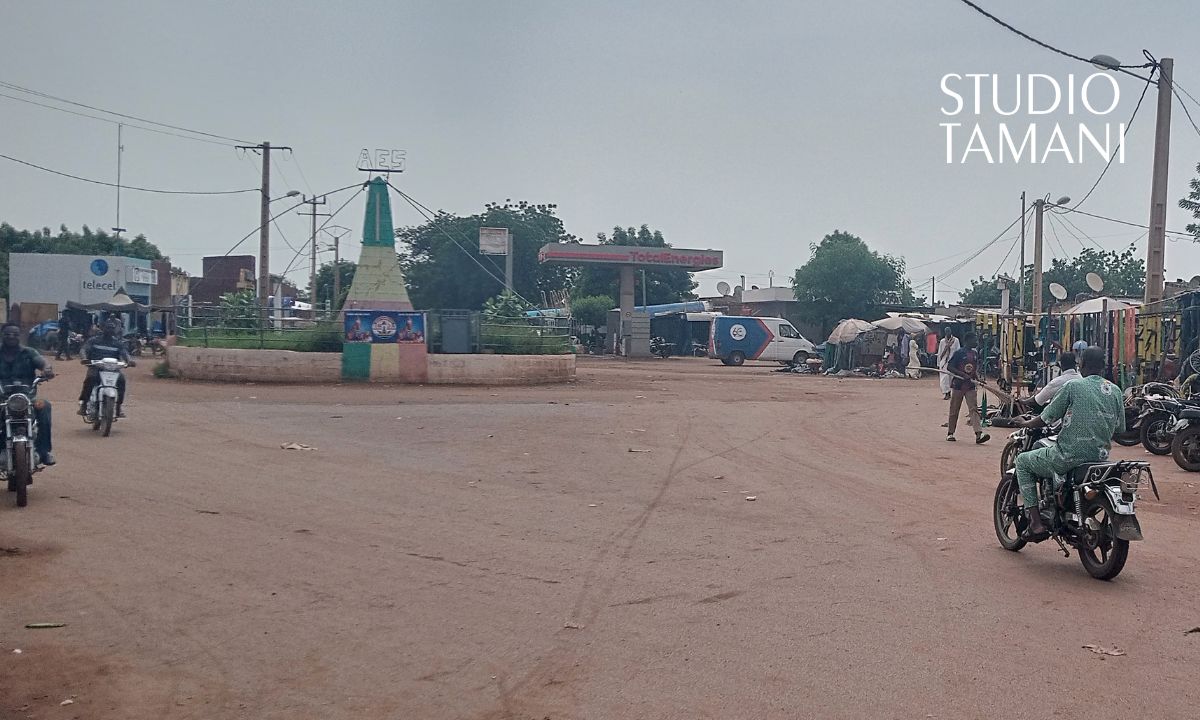
San Mali: Governor Sangaré Imposes Indefinite Curfew Order
Summary
- Colonel-Major Ousmane Sangaré, Governor of San, has imposed a region-wide curfew in Mali.
- The curfew is effective from August 24, running from 10:30 PM to 6:00 AM daily, until further notice.
- All civilians, vehicles, motorcycles, and bicycles are subject to the restrictions.
- Only defense and security forces are exempt from the curfew regulations.
- The measure significantly impacts business operations, supply chains, and personnel movement within the San region.
New Curfew Imposed Across San Region
The San Mali curfew order is not temporary but is set to remain in force until further notice from the regional administration.
Authorities in Mali's San region have implemented a new curfew, effective from August 24 and continuing indefinitely. Colonel-Major Ousmane Sangaré, who serves as the Governor of San, issued the order, which restricts movement throughout the entire region between the hours of 10:30 PM and 6:00 AM. This measure marks a significant change to daily life and operations for residents and businesses within the affected area.
The directive mandates that all civilians must adhere to the nighttime restrictions. This means individuals are prohibited from being outside their homes or engaging in any non-essential travel during the specified hours. The broad scope of the order indicates a comprehensive effort to control public movement across the San region, impacting a wide array of activities that typically occur during late evening and early morning.
The San Mali curfew order is not temporary but is set to remain in force until further notice from the regional administration. This open-ended duration suggests a sustained period of altered public order, requiring long-term adjustments from the populace. The decision by Governor Sangaré underscores a heightened focus on security or public management within the region, necessitating strict compliance from all residents.
Scope of Travel and Movement Restrictions
The recently enacted curfew in the San region extends its prohibitions beyond just individual civilian movement to include various forms of transportation. All vehicles, motorcycles, and bicycles are explicitly covered by the order, meaning they are not permitted on the roads during the curfew hours of 10:30 PM to 6:00 AM. This comprehensive restriction on transport aims to minimize all forms of nocturnal activity and movement within the region.
However, the directive does include specific exemptions to ensure essential services and security operations can continue. Personnel belonging to the defense and security forces are explicitly excluded from these restrictions. This allows military and law enforcement entities to maintain their operational capabilities and respond to incidents without impediment, highlighting the public order aspect of the new regulations. These Mali travel restrictions San are designed to be broad yet allow for critical governmental functions.
For the general public, these limitations on movement and transport will inevitably disrupt routines, particularly for those involved in night-time work, essential services not covered by exemptions, or individuals requiring emergency travel. The enforcement of the San region public order through these measures will require careful planning and adherence from all non-exempt individuals and organizations to avoid legal repercussions.
Legal and Operational Implications
The imposition of such a widespread curfew by Colonel-Major Ousmane Sangaré, as the Governor of San, falls within the purview of regional authorities to enact emergency measures for public safety and order. These Mali emergency measures San are legally binding and carry consequences for non-compliance. Businesses operating within the San region, particularly those with late-night operations or reliant on early morning logistics, will face direct and significant operational challenges due to the 10:30 PM to 6:00 AM restriction.
Supply chains are particularly vulnerable to disruption under these new rules. The movement of goods, raw materials, and finished products that typically occurs overnight or in the early hours will be severely curtailed. Companies must re-evaluate their logistical strategies, potentially shifting operations to daytime hours, which could lead to increased costs, delays, and reduced efficiency. Personnel movement is also directly impacted, as employees traveling to or from work during curfew hours will be unable to do so, necessitating adjustments to shift schedules or accommodation arrangements.
Clients with interests in the San region should seek legal advice to understand the full scope of compliance requirements and potential disruptions. Failure to adhere to the curfew order could result in legal penalties, including fines or other punitive actions. Proactive measures, such as revising operational plans, communicating with local authorities, and ensuring all staff are aware of and comply with the regulations, are crucial to mitigate risks and maintain business continuity under these new public order constraints.
Practical Implications
This curfew directly impacts business operations, supply chains, and personnel movement within the San region of Mali. Lawyers should advise clients with interests in the area on compliance requirements and potential disruptions to avoid legal penalties.
Source
How does this affect you?
Get an AI analysis of this article grounded in your jurisdictions, practice areas, and any policy documents you've uploaded to Wansom.
Wansom is AI and can make mistakes.