
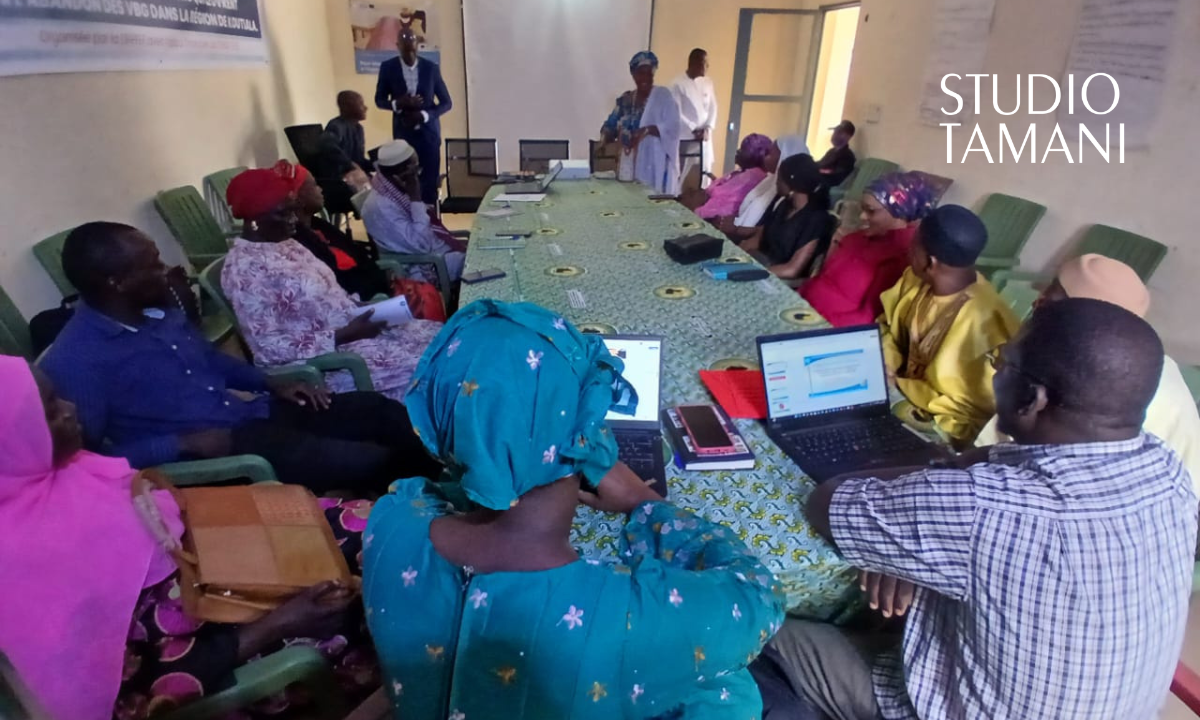
Koutiala: 91 Gender-Based Violence Cases Reported For 2026
Summary
- Koutiala recorded 91 gender-based violence cases between January and July 2026.
- The Regional Directorate for the Promotion of Women, Children, and the Family released this information on Thursday, August 20.
- Among the reported incidents, 32 involved psychological and emotional violence.
- Physical assaults accounted for 28 of the documented gender-based violence cases.
Alarming Figures Emerge from Koutiala
The reported 91 Koutiala gender-based violence cases 2026 within a seven-month span point to a significant public health and human rights concern.
The Regional Directorate for the Promotion of Women, Children, and the Family recently disclosed concerning statistics regarding gender-based violence in Koutiala. A total of 91 incidents were officially documented within the initial seven months of 2026, painting a stark picture of the challenges faced by the community. This data, covering the period from January through July of the current year, highlights the persistent issue of violence impacting individuals in the region.
Among the 91 Koutiala gender-based violence cases 2026, specific categories of abuse were identified, underscoring the diverse forms such violence can take. A significant portion, comprising 32 reported incidents, involved psychological and emotional abuse. These forms of violence, while not always leaving visible marks, can inflict profound and lasting harm on victims, affecting their mental well-being and overall quality of life.
Furthermore, the data revealed a substantial number of physical assaults. Twenty-eight cases were classified as physical violence, indicating direct bodily harm inflicted upon individuals. This category represents a tangible threat to personal safety and underscores the urgent need for protective measures and intervention strategies within Koutiala. The remaining cases, though not detailed in the initial report, contribute to the overall alarming total.
Official Reporting and Oversight
The disclosure of these figures came from the Regional Directorate for the Promotion of Women, Children, and the Family, an entity tasked with safeguarding the rights and welfare of vulnerable populations. This governmental body plays a crucial role in monitoring, documenting, and addressing issues pertinent to women, children, and families, including the pervasive problem of gender-based violence. Their official report provides a critical snapshot of the situation on the ground, offering concrete data for analysis and response.
The information was publicly released on Thursday, August 20, following the compilation of data for the first half of the year. Such timely reporting is essential for stakeholders, including local authorities, non-governmental organizations, and community leaders, to grasp the scale and nature of the challenges. It allows for informed decision-making regarding resource allocation, policy development, and the implementation of targeted interventions aimed at reducing the incidence of violence and supporting survivors.
The Directorate's role extends beyond mere data collection; it often involves coordinating efforts to prevent violence, provide support services, and advocate for legal and social reforms. The systematic recording of Koutiala gender-based violence cases 2026 underscores a commitment to transparency and accountability in addressing a deeply entrenched societal problem. This official acknowledgment is a foundational step toward fostering a safer environment for all residents.
Addressing the Scope of Violence
The reported 91 Koutiala gender-based violence cases 2026 within a seven-month span point to a significant public health and human rights concern. The prevalence of both psychological and physical forms of abuse highlights the complex and multifaceted nature of gender-based violence, which often manifests in ways that are not immediately visible but are equally destructive. Understanding these different categories is vital for developing comprehensive support systems that cater to the specific needs of victims.
Psychological and emotional violence, with 32 recorded instances, can include intimidation, manipulation, constant criticism, and isolation, leading to severe mental health consequences such as anxiety, depression, and post-traumatic stress. The 28 physical assaults, on the other hand, involve direct bodily harm, ranging from minor injuries to severe trauma, often requiring medical attention and long-term recovery. Both types of violence erode an individual's sense of safety and autonomy.
These statistics serve as a critical indicator for local and national authorities, emphasizing the ongoing necessity for robust prevention programs, accessible reporting mechanisms, and comprehensive support services for survivors. The efforts of the Regional Directorate in documenting these incidents are instrumental in bringing these issues to light, providing the necessary evidence base for concerted action to combat gender-based violence and promote a culture of respect and equality in Koutiala.
Source
How does this affect you?
Get an AI analysis of this article grounded in your jurisdictions, practice areas, and any policy documents you've uploaded to Wansom.
Wansom is AI and can make mistakes.