
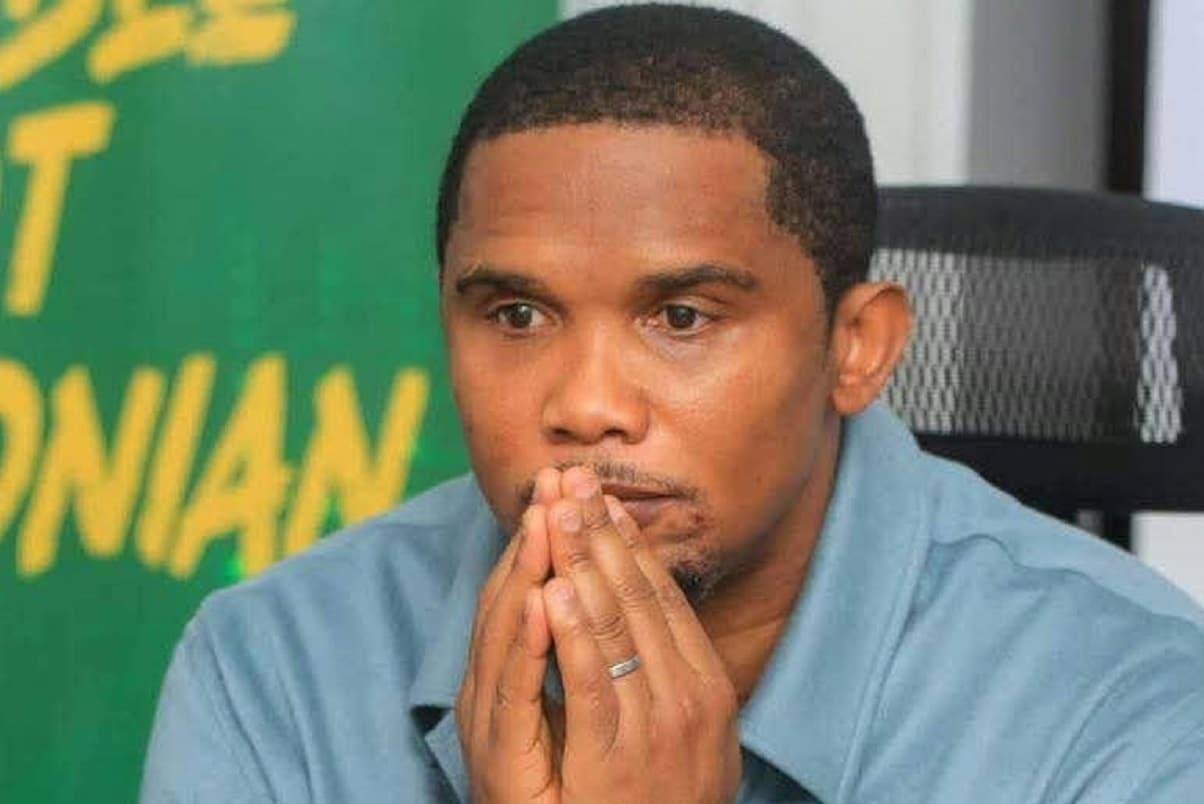
Samuel Eto’o sous pression : la présidence de la FECAFOOT vacille-t-elle ?
Summary
- Samuel Eto'o, president of FECAFOOT, is accused of mismanaging €567,570 related to a Russia-Cameroon friendly match in October 2023.
- An investigation by The Times claims two payments were directed to Eto'o's personal account at Qatar National Bank, with no official records confirming transfer to FECAFOOT accounts.
- A complaint was filed with the FIFA ethics commission over a year ago by a former FECAFOOT official, but no progress updates have been provided.
- Eto'o and FECAFOOT did not respond to The Times' inquiries, and the allegations raise significant questions about the federation's financial transparency and governance.
- An official FIFA investigation could lead to severe consequences for Eto'o's leadership and reputation, highlighting broader compliance risks in sports federations.
Allegations of Financial Mismanagement
This situation serves as a stark reminder of the significant compliance and governance risks inherent in sports federations, particularly concerning financial transparency and the handling of international funds, underscoring the need for robust oversight.
Samuel Eto'o, the current president of the Cameroonian Football Federation (FECAFOOT), is once again facing significant scrutiny regarding the financial operations of the organization. A recent investigation published by The Times has brought to light serious allegations of Samuel Eto'o FECAFOOT financial mismanagement, specifically concerning funds related to an international friendly match. The report details claims that Eto'o mismanaged a sum of €567,570, which was designated for the friendly fixture between Russia and Cameroon held in Moscow in October 2023.
According to the British publication, contracts and invoices reviewed during their investigation indicate that two distinct payments, totaling the aforementioned amount, were allegedly routed through a personal bank account. These payments, specifically €455,056 and €112,514, were reportedly directed to an account held in Samuel Eto'o's name at the Qatar National Bank in Doha. This alleged financial arrangement raises immediate questions about transparency and proper accounting procedures within the federation.
Further compounding the concerns, former officials from the Cameroonian football body have reportedly stated that they possess no accounting or banking documentation that would confirm the subsequent transfer of these funds into official FECAFOOT accounts. This absence of verifiable records forms a critical component of the Samuel Eto'o corruption allegations, suggesting a potential lack of oversight and accountability in the handling of significant financial transactions. The implications of such practices could extend to broader FECAFOOT governance issues, highlighting compliance risks inherent in sports federations.
Regulatory Scrutiny and Unanswered Questions
The allegations have not gone unnoticed by regulatory bodies, with a formal complaint having been lodged with the FIFA ethics commission over a year ago. Guibai Gatama, a former member of FECAFOOT's executive committee, initiated this complaint, yet he reportedly has not received any updates or information regarding the progress of the case. This lack of transparency surrounding the FIFA ethics commission complaint adds another layer of concern to the ongoing situation.
At the time The Times published its investigation, neither Samuel Eto'o nor the Cameroonian Football Federation had provided any response to the newspaper's inquiries regarding the alleged financial irregularities. This silence further fuels speculation and underscores the need for a thorough and independent examination of the Russia Cameroon match funds. While the current accusations do not, by themselves, constitute proof of embezzlement, they necessitate a rigorous review of the documents and a clear determination of responsibilities by the competent authorities.
The potential for institutional action from FIFA looms large, as the opening or reopening of a formal procedure by the global football governing body could significantly intensify the pressure on the FECAFOOT president. Such an investigation would not only scrutinize the specific Qatar National Bank Eto'o payments but also potentially delve into wider FECAFOOT governance issues, setting a precedent for accountability in sports management. FIFA maintains that its judicial bodies operate independently, free from the influence of its president, Gianni Infantino, despite Eto'o's known proximity to him.
Broader Governance Concerns and Reputational Risks
The controversy surrounding Samuel Eto'o extends far beyond the specific sum of €567,570; it fundamentally challenges the governance of FECAFOOT and the capacity of its president to maintain the trust of stakeholders within Cameroonian football. This Cameroon football federation scandal emerges at a critical juncture, with major international football events on the horizon, potentially undermining Eto'o's ambitions on the global stage. The ongoing Samuel Eto'o FECAFOOT financial mismanagement claims could severely impact his image as a leading figure in African and world football.
The current climate around Eto'o's presidency is undeniably tense. Should an official inquiry confirm the suspicions related to the Russia Cameroon match funds, the consequences for his personal reputation and his future leadership of Cameroonian football could be severe. While an accusation does not automatically lead to removal from office, the ultimate outcome will depend heavily on any formal procedures, their findings, and Eto'o's ability to convincingly address the questions raised.
As the football world anticipates the next battle for the FIFA presidency, scheduled for March 2027 in Rabat, Eto'o faces increased pressure to navigate these turbulences swiftly. At such a high level of responsibility, the issue transcends merely retaining his position; it questions his long-term viability and influence within the sport. This situation serves as a stark reminder of the significant compliance and governance risks inherent in sports federations, particularly concerning financial transparency and the handling of international funds, underscoring the need for robust oversight.
Practical Implications
This development highlights significant compliance and governance risks within sports federations, particularly concerning financial transparency and the handling of international funds. Lawyers and compliance officers should monitor potential FIFA investigations into FECAFOOT for precedents on accountability in sports management and advise clients on related reputational and regulatory exposures.
Source
How does this affect you?
Get an AI analysis of this article grounded in your jurisdictions, practice areas, and any policy documents you've uploaded to Wansom.
Finish Reading the Full Story and the Expert Analysis.
Get the latest legal & regulatory intelligence in Cameroon
Wansom is AI and can make mistakes.