
Ghana: Salomey Awiti Bafoh Remanded for False News Abetment
Summary
- Salomey Awiti Bafoh, a 40-year-old nurse, was remanded for two weeks by the Adentan Circuit Court on charges of abetment of crime related to the publication and circulation of false news.
- She is accused of acting as a liaison for UK-based TikTok user Barbara Asantewaa Kodua ('Ghana Jollof') to disseminate videos containing offensive and inflammatory statements, including threats against the government.
- The charges fall under Sections 20(1) and 208 of Ghana's Criminal Offences Act, 1960 (Act 29), and her bail application was refused due to ongoing investigations.
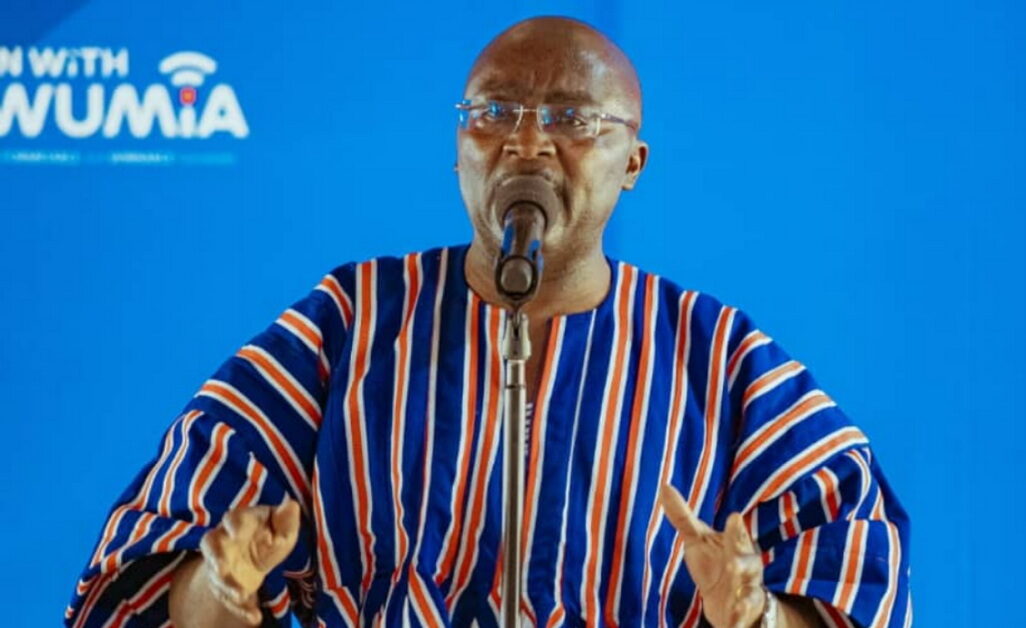
- Former Vice President Dr. Mahamudu Bawumia condemned the remand, calling for her release and raising concerns about free speech infringement and selective application of the law.
- The case highlights the active enforcement of 'false news' provisions in Ghana, particularly concerning social media content, and the ongoing debate around freedom of expression.
Nurse Remanded Over False News Allegations
This case highlights the active enforcement of 'false news' provisions under Ghana's Criminal Offences Act, particularly concerning social media content.
A senior nursing officer, Salomey Awiti Bafoh, aged 40 and a mother of three, has been remanded into police custody for two weeks by the Adentan Circuit Court in Ghana. The remand follows her appearance in court on Thursday, September 17, 2026, where she pleaded not guilty to a charge of abetment of crime, specifically concerning the publication and circulation of false news. This case highlights the active enforcement of 'false news' provisions under Ghana's Criminal Offences Act, particularly concerning social media content.
According to the prosecution, Ms. Bafoh allegedly acted as a conduit for UK-based TikTok user Barbara Asantewaa Kodua, known online as “Ghana Jollof.” Investigators claim Ms. Bafoh assisted in distributing videos created by Kodua by recruiting other individuals to re-share the content across various social media platforms. It is further alleged that Ms. Kodua, who is currently outside Ghana and considered at large, transferred funds from the United Kingdom to Ms. Bafoh to facilitate these distribution activities, with portions of this money subsequently disbursed to other individuals involved. The charges against Ms. Bafoh are laid under Sections 20(1) and 208 of the Criminal Offences Act, 1960 (Act 29).
The prosecution also contends that some of the videos disseminated through the “Ghana Jollof” account contained inflammatory and offensive statements, which they argue had the potential to incite violence. One particular video under investigation reportedly included threats to overthrow the government and to burn Ghana. These remain allegations that have not yet been substantiated in court. Ms. Bafoh's legal team sought bail, citing her permanent employment, established residence, and the welfare of her four-year-old child. However, the prosecution opposed the application, citing ongoing investigations, leading the court to refuse bail. The case has been adjourned until September 30, 2026.
Details surrounding her arrest indicate that Ms. Bafoh was apprehended at her home in Hansua, near Techiman, around midnight on September 13. Her family reported that three individuals, who identified themselves as National Security operatives, took her into custody.
Political Outcry and Free Speech Concerns
The remand of Salomey Awiti Bafoh has drawn sharp criticism from Ghana's former Vice President and New Patriotic Party (NPP) flagbearer for 2028, Dr. Mahamudu Bawumia. In a Facebook post, Dr. Bawumia called for Ms. Bafoh's release, describing the reports surrounding her arrest and detention as “very worrying” and cautioning against what he perceives as a potential infringement on citizens’ fundamental right to free expression.
Dr. Bawumia emphasized that Ghana’s intelligence agencies should not be reduced to pursuing citizens merely for insulting the President or other public officials. While stressing his consistent opposition to a “politics of insults” and urging political actors to maintain decorum, he underscored that the government bears the responsibility to protect the right to free expression, which he views as a cornerstone of Ghana’s democracy. He argued that constructive ideas for Ghana's transformation would not emerge from abusive political discourse.
Furthermore, Dr. Bawumia accused the government of selectively applying the law. He highlighted instances where some citizens are able to make insulting statements without facing arrest, while others are prosecuted when the alleged target of their comments is politically sensitive. This stance by a prominent political figure underscores the ongoing debate in Ghana regarding freedom of expression and the application of laws pertaining to false news.
Legal Framework and Online Dissemination Risks
This case serves as a stark reminder of the legal risks associated with sharing or disseminating information online in Ghana, particularly content that could be interpreted as false or inflammatory. The charges against Salomey Awiti Bafoh, specifically abetment of crime related to false news under Sections 20(1) and 208 of the Criminal Offences Act, 1960 (Act 29), demonstrate the active enforcement of these provisions against individuals involved in social media content distribution.
The allegations, including the use of platforms like TikTok for disseminating content with potential to provoke violence or threaten governmental stability, highlight the scrutiny placed on digital communications. Lawyers and compliance officers in Ghana should advise clients on the significant legal exposure inherent in online activities, especially when content involves politically sensitive topics or allegations of 'Ghana Jollof TikTok allegations' that could be construed as inciting public disorder.
The tension between upholding freedom of expression, a fundamental right enshrined in Ghana's constitution, and enforcing laws designed to prevent the spread of harmful or false information, remains a critical legal and societal challenge. This Adentan Circuit Court nurse remand case underscores the need for individuals and organizations to exercise extreme caution and due diligence regarding the veracity and potential impact of information they share or facilitate the sharing of online.
Practical Implications
This case highlights the active enforcement of 'false news' provisions under Ghana's Criminal Offences Act, particularly concerning social media content. Lawyers and compliance officers should advise clients on the significant legal risks associated with sharing or disseminating information online that could be construed as false or inflammatory, and be prepared to navigate bail applications and free speech arguments in such matters.
Source
How does this affect you?
Get an AI analysis of this article grounded in your jurisdictions, practice areas, and any policy documents you've uploaded to Wansom.
Finish Reading the Full Story and the Expert Analysis.
Get the latest legal & regulatory intelligence in Ghana
Wansom is AI and can make mistakes.