
Salim Mvurya: Intervenes in FKF Relegation Dispute, Demands League Restart
Summary
- Sports Cabinet Secretary Salim Mvurya intervened in a three-week delay of the FKF Premier League, caused by legal disputes over relegation rules.
- Mvurya met with FKF officials and club chairs, emphasizing the league's importance for preparing the national team for Afcon 2027.
- The dispute centers on Kariobangi Sharks' relegation, as they argue the 2025/26 guidelines used were illegal due to a lack of public participation.
- The High Court in Murang'a allowed the league to start but mandated the use of the 2019 rules, which offered a playoff for the 16th-placed team, unlike the automatic relegation in the 2025/26 rules.
- Despite the court ruling, the league remains stalled as parties hold differing positions, with hopes now resting on a boardroom resolution.
What Happened
The challenge brought by Kariobangi Sharks, centered on the lack of public participation in the adoption of the 2025/26 Football Kenya Federation guidelines, highlights a significant legal vulnerability for sports federations.
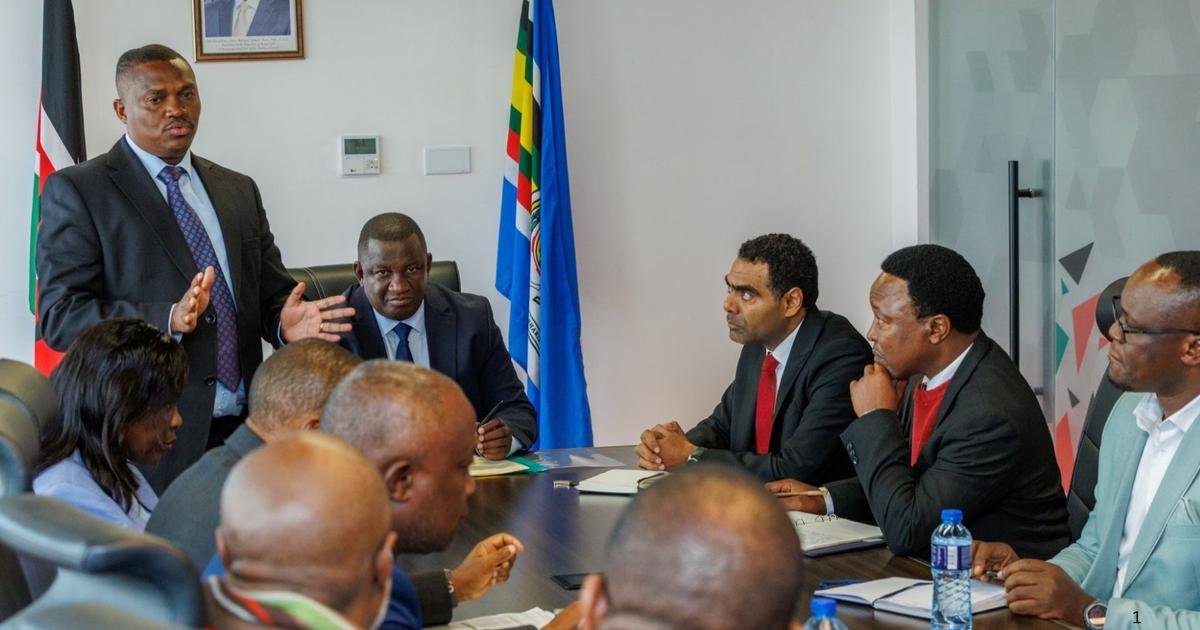
Sports Cabinet Secretary Salim Mvurya has stepped in to address a significant impasse affecting the Football Kenya Federation (FKF) Premier League, which has seen its resumption delayed for nearly three weeks. The core issue revolves around ongoing legal wrangles concerning the appropriate relegation and promotion guidelines to be applied for the current season. In an effort to resolve the stalemate, Mr. Mvurya convened an all-day meeting at his Talanta Plaza office on Wednesday evening.
The high-level gathering included top officials from the FKF, led by its President Hussein Mohammed, alongside the chairpersons of various clubs participating in the league. Following the extensive discussions, the FKF issued a statement confirming the Cabinet Secretary's primary message: the urgent need to restart league action. This emphasis stems from the league's crucial role in developing a robust and competitive national team, particularly in preparation for the upcoming Africa Cup of Nations (Afcon) in 2027.
The federation's statement also underscored its dedication to fostering constructive dialogue and collaboration among all stakeholders. This commitment aims to navigate the current deadlock and strengthen the foundational structures of Kenyan football. The intervention by Salim Mvurya highlights the government's concern over the prolonged delay and its potential impact on the sport's development and national team readiness.
The Core Dispute
At the heart of the ongoing Salim Mvurya FKF relegation dispute is the contentious relegation of Kariobangi Sharks from the top-tier league. The club, which finished 16th in the previous season, is challenging the legality of the 2025/26 Football Kenya Federation guidelines that led to their demotion. Their central argument posits that these guidelines were improperly ratified by the FKF's National Executive Committee (NEC) without adequate public participation, rendering them unlawful. This procedural challenge forms the basis of the current FKF Premier League legal wrangles.
The specifics of the Kariobangi Sharks relegation rules are crucial to understanding the club's position. Under the contested 2025/26 guidelines, the bottom three teams in the Premier League are automatically relegated to the National Super League. However, the previous 2019 rules offered a different pathway for the 16th-placed team, providing a lifeline through a two-legged playoff against the third-placed side from the second tier. This discrepancy in rules is central to the club's legal challenge.
Despite a High Court Murang'a FKF ruling that permitted the league to commence, specifically mandating the application of the 2019 rules, the situation remains stalled. Different parties involved continue to hold divergent positions, preventing the league from moving forward. This judicial intervention, while clarifying the applicable rules, has not yet fully resolved the underlying disagreements among the stakeholders, underscoring the complexities of Kenya sports law intervention in federation affairs.
Legal and Future Implications
The ongoing Salim Mvurya FKF relegation dispute underscores critical aspects of sports governance and the importance of procedural fairness in rule-making. The challenge brought by Kariobangi Sharks, centered on the lack of public participation in the adoption of the 2025/26 Football Kenya Federation guidelines, highlights a significant legal vulnerability for sports federations. It demonstrates that even internal regulations can be subject to judicial review if established processes, particularly those ensuring stakeholder input, are bypassed.
The High Court Murang'a FKF ruling, which directed the league to proceed under the 2019 rules, implicitly validates the concerns regarding the newer guidelines' legitimacy. This judicial stance reinforces the principle that sports bodies must adhere to transparent and inclusive processes when formulating rules that directly impact member clubs and their competitive standing. Such Kenya sports law intervention sets a precedent for how future disputes over regulatory changes within the FKF Premier League legal wrangles might be handled.
Stakeholders are now hopeful that the Cabinet Secretary's direct involvement will facilitate a resolution outside of the courtroom. The aspiration is to transition from protracted legal battles to a collaborative boardroom solution, ultimately allowing for the resumption of football action on the pitch. This outcome would not only end the current delay but also potentially establish a more robust framework for future rule implementation within Kenyan football, emphasizing dialogue and adherence to fair process.
Practical Implications
Lawyers advising sports federations or clubs should note the emphasis on proper public participation in rule-making, as demonstrated by the challenge to FKF's 2025/26 guidelines. This case underscores the potential for legal challenges and government intervention when procedural fairness is questioned in sports governance.
Source
How does this affect you?
Get an AI analysis of this article grounded in your jurisdictions, practice areas, and any policy documents you've uploaded to Wansom.
Finish Reading the Full Story and the Expert Analysis.
Get the latest legal & regulatory intelligence in Kenya
Wansom is AI and can make mistakes.