
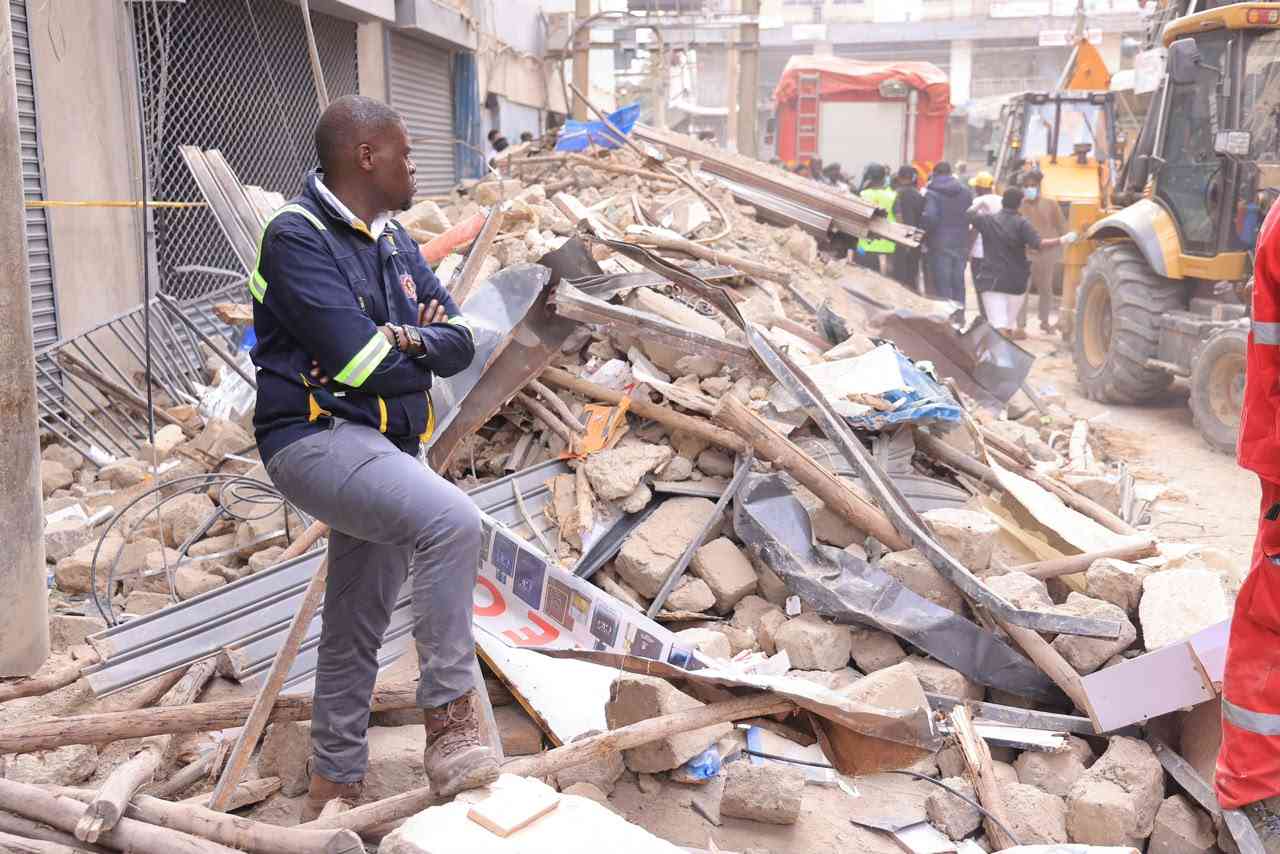
Sakaja: Nairobi Building Collapse Lacked Occupation Certificate
Summary
- A building on 9th Street in Nairobi recently collapsed, prompting a police search for its developer and contractor.
- Nairobi Governor Johnson Sakaja admitted that the collapsed building lacked a mandatory occupation certificate.
- Historical records indicate that previous warnings and stop orders have consistently failed to prevent building collapses in Nairobi.
- The incident highlights ongoing issues of corruption and lax enforcement within Nairobi City Hall's regulatory processes.
- The absence of an occupation certificate underscores significant failures in construction compliance and development approvals.
What Happened
Governor Johnson Sakaja explicitly acknowledged that the collapsed structure on 9th Street lacked the mandatory occupation certificate, a critical document signifying its safety and compliance with building standards.
A recent building collapse on 9th Street in Nairobi has drawn immediate attention to critical failures in construction compliance and regulatory oversight. Following the incident, Governor Johnson Sakaja promptly addressed the public, explicitly acknowledging that the collapsed structure lacked the mandatory occupation certificate, a critical document signifying its safety and compliance with building standards. This admission underscores a significant lapse in the Nairobi County development approvals process.
Authorities have initiated a search for both the developer and the contractor responsible for the ill-fated building. The governor's swift explanation came as emergency services were still managing the aftermath of the collapse, highlighting the urgency and gravity of the situation. The absence of an occupation certificate for the Nairobi building collapse is a central point of the ongoing investigation, raising serious questions about the integrity of its construction and the approval mechanisms in place.
Regulatory Context and Enforcement Challenges
The incident on 9th Street is not an isolated event but rather indicative of a persistent challenge within Kenya's building regulations enforcement. Historical data reveals a troubling pattern where numerous warnings, official enforcement notices, and even stop orders issued by Nairobi City Hall have consistently failed to prevent subsequent building collapses. This systemic issue points to deep-seated problems within the regulatory framework and its implementation.
The ongoing struggles with construction compliance are further exacerbated by allegations that Nairobi City Hall remains significantly hampered by corruption cartels. These illicit networks are often implicated in undermining proper oversight, facilitating the issuance of Nairobi City Hall building permits without due diligence, and ultimately compromising public safety. The failure to secure an occupation certificate for the collapsed structure, despite the clear legal requirement, exemplifies the lax enforcement environment that has plagued the city's development sector.
Why It Matters
The recent collapse and Governor Sakaja's admission regarding the missing occupation certificate carry significant implications for all stakeholders in the construction industry. This event intensifies scrutiny on Johnson Sakaja construction compliance initiatives and the broader effectiveness of Nairobi County's regulatory bodies. The explicit acknowledgment of non-compliance by a high-ranking official signals a potential shift towards more stringent enforcement.
This situation underscores the severe legal liabilities, both civil and criminal, that developers and contractors face when failing to adhere to building regulations and secure essential documentation like occupation certificates. The recurring nature of such incidents, despite prior warnings, highlights the critical need for robust due diligence and unwavering adherence to all statutory approvals to mitigate operational and reputational risks. The ongoing challenges with corruption and lax enforcement at City Hall demand a comprehensive overhaul to prevent future tragedies and ensure public safety.
Practical Implications
Lawyers and compliance officers should advise clients on the heightened scrutiny and severe legal liabilities (both civil and criminal) associated with non-compliance with building regulations, particularly the failure to secure occupation certificates, given the explicit admission by Nairobi Governor Sakaja and the ongoing issues of corruption and lax enforcement at City Hall. This incident underscores the critical need for robust due diligence and adherence to all statutory approvals to mitigate significant operational and reputational risks.
Source
How does this affect you?
Get an AI analysis of this article grounded in your jurisdictions, practice areas, and any policy documents you've uploaded to Wansom.
Finish Reading the Full Story and the Expert Analysis.
Get the latest legal & regulatory intelligence in Kenya
Wansom is AI and can make mistakes.