
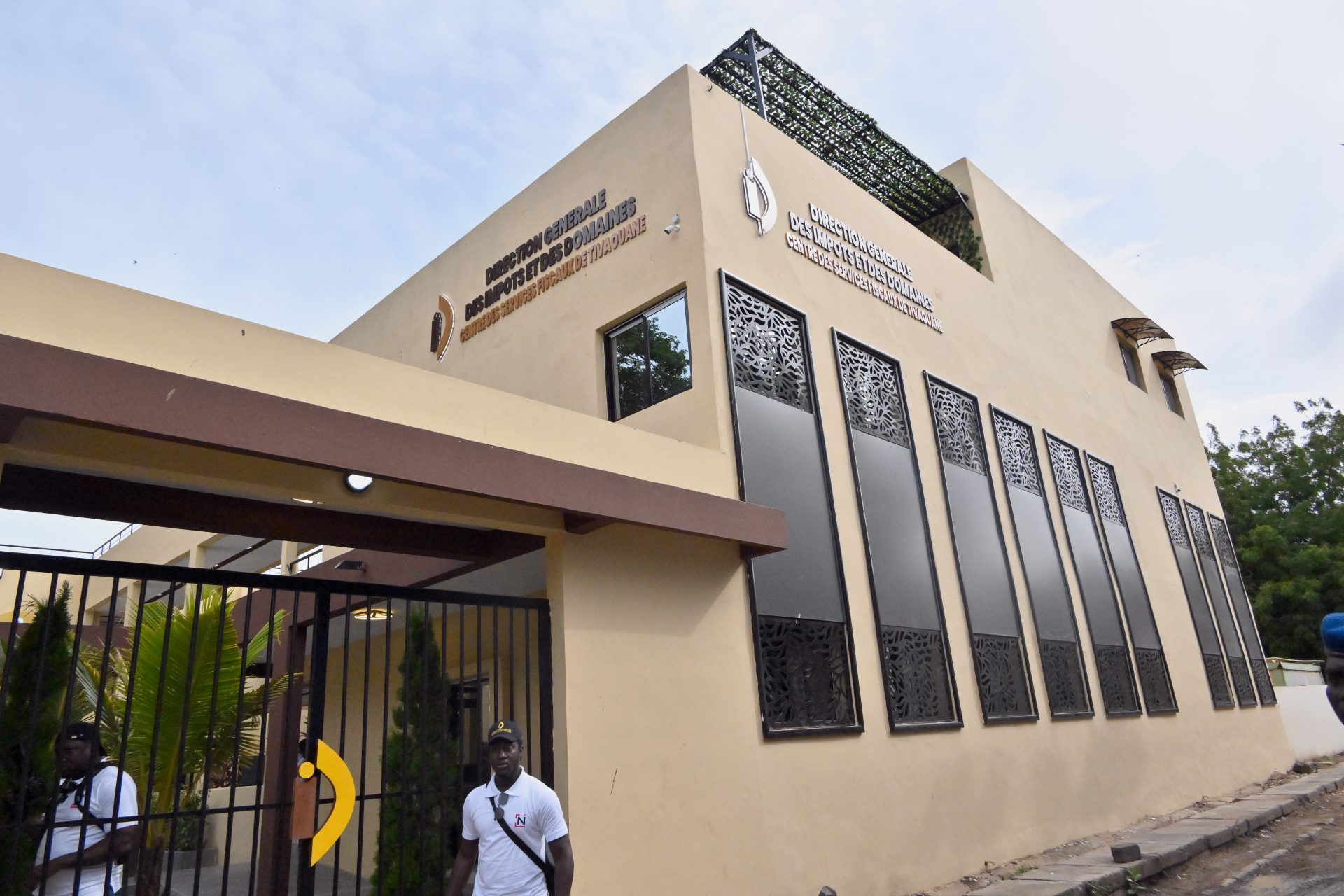
SAID Dénonce Amputation DGID Sénégal: Union Opposes Reduction of Tax Authority Powers
Summary
- The Syndicat autonome des agents des Impôts et des Domaines (SAID) is protesting a project aimed at reducing the powers of the Direction générale des Impôts et des Domaines (DGID).
- SAID issued a communiqué on November 24, 2026, from Dakar, denouncing these "clandestine maneuvers."
- The union characterizes the project as an "amputation" attempt against the DGID.
- This action highlights a potential conflict regarding fiscal administration reform in Senegal.
Union's Stance Against Proposed Changes
The Syndicat autonome des agents des Impôts et des Domaines (SAID) has publicly voiced strong opposition to a proposed initiative, characterizing it as an attempt to diminish the authority and scope of the Direction générale des Impôts et des Domaines (DGID).
The Syndicat autonome des agents des Impôts et des Domaines (SAID) has publicly voiced strong opposition to a proposed initiative, characterizing it as an attempt to diminish the authority and scope of the Direction générale des Impôts et des Domaines (DGID). This significant development in Senegal's fiscal landscape emerged following a communiqué issued by the union on November 24, 2026, from Dakar. The SAID dénonce amputation DGID Sénégal, asserting that clandestine maneuvers are underway to curtail the functions of this crucial state institution.
The union's statement specifically condemns actions described as being carried out "en catimini," or in secret, which they believe are designed to reduce the operational capacity or jurisdiction of the DGID. This firm stance by the Syndicat autonome Impôts Domaines highlights a growing tension surrounding potential changes to the nation's tax and land administration framework. The communiqué serves as a clear warning from the agents responsible for implementing fiscal policies against what they perceive as an undermining of their institution.
The Role of the DGID and Broader Context
The Direction générale des Impôts et des Domaines (DGID) plays a pivotal role in Senegal's administrative and financial governance, encompassing responsibilities for tax collection, land registration, and managing state properties. Any significant alteration to its structure or a reduction in its powers could have far-reaching implications for the nation's economic stability and public services. The current dispute, therefore, extends beyond a mere internal administrative disagreement, touching upon the very foundations of the country's fiscal management.
This confrontation between the SAID and proponents of the undisclosed project underscores a potential conflit syndical fiscalité Sénégal, reflecting broader debates around the réforme administration fiscale Sénégal. Such reforms often aim to enhance efficiency or streamline operations, but when perceived as an "amputation," they can trigger substantial resistance from organized labor. The union's strong reaction suggests that the proposed changes are viewed as detrimental to the institution's integrity and effectiveness, potentially leading to a reduction in the pouvoirs DGID currently wields.
Potential Ramifications for Senegal's Fiscal Landscape
The implications of any successful attempt to reduce the DGID's powers are substantial for various stakeholders, including businesses, citizens, and the government itself. A weakened or restructured Direction générale Impôts Domaines could impact the efficiency of tax collection, potentially affecting state revenues and the funding of public services. Furthermore, changes to its land administration functions could introduce uncertainty into property rights and real estate transactions, necessitating careful monitoring by legal professionals and compliance officers in Senegal.
The public denouncement by the Syndicat autonome des agents des Impôts et des Domaines signals a period of potential instability within Senegal's fiscal administration. The union's readiness to "sortir les griffes" (show its claws) indicates a strong resolve to protect the institution from what it views as an unwarranted curtailment of its responsibilities. This situation highlights the critical importance of transparency in administrative reforms and the significant role that organized labor, such as the SAID, plays in shaping the future of key governmental bodies.
Practical Implications
Lawyers and compliance officers in Senegal should closely monitor developments regarding the proposed restructuring or reduction of the DGID's powers. Such changes could significantly alter tax collection procedures, land administration processes, and the regulatory environment, necessitating adjustments to client advice and compliance strategies.
Source
How does this affect you?
Get an AI analysis of this article grounded in your jurisdictions, practice areas, and any policy documents you've uploaded to Wansom.
Finish Reading the Full Story and the Expert Analysis.
Get the latest legal & regulatory intelligence in Senegal
Wansom is AI and can make mistakes.