
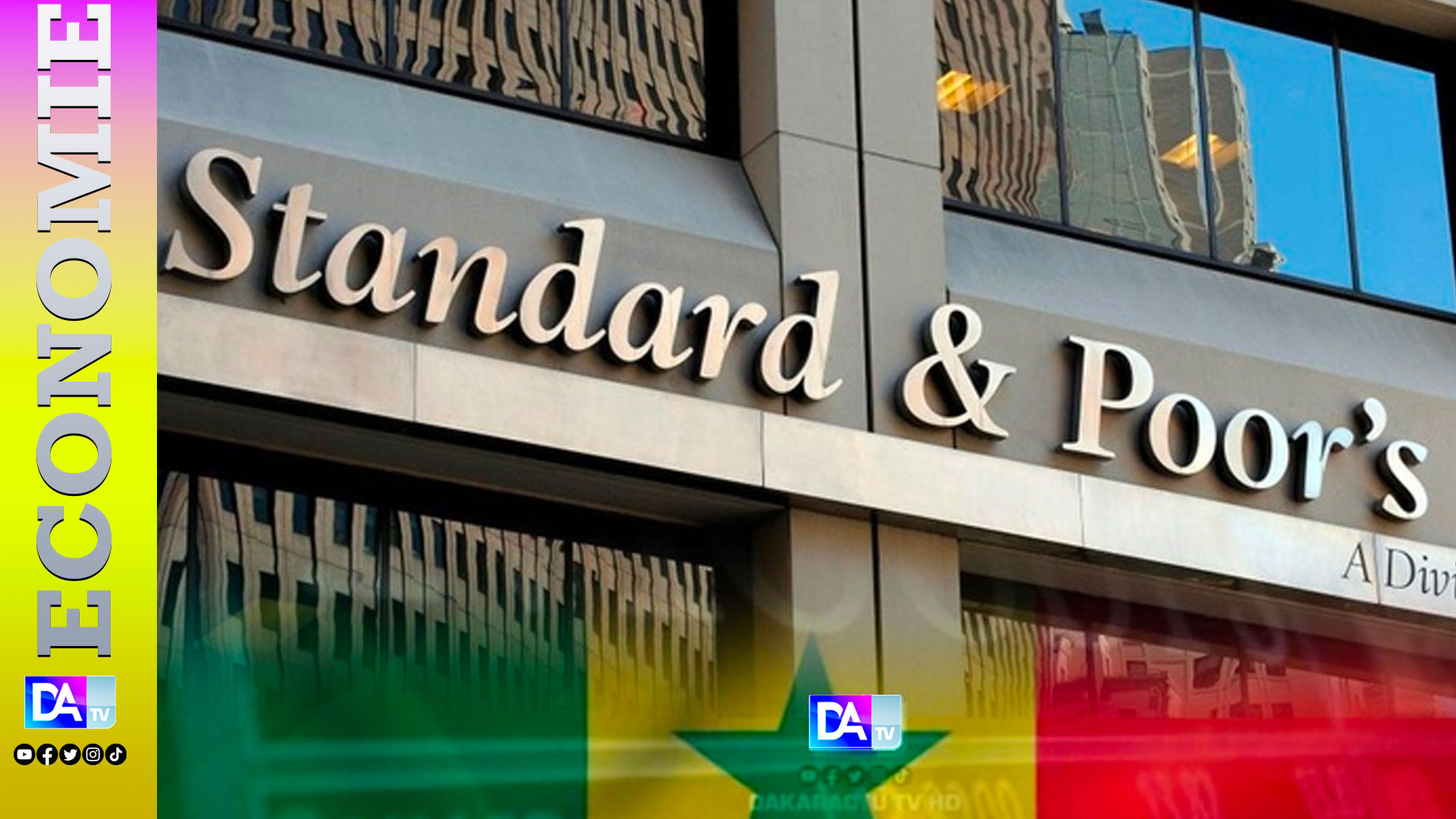
S&P: Abaisse Note Sénégal CC, Default "Extremely Probable"
Summary
- S&P downgraded Senegal's long-term foreign currency debt to CC from CCC+, assigning a negative outlook.
- The agency also lowered Senegal's local currency debt rating from CCC+ to CCC.
- S&P considers a distressed debt exchange or default on commercial foreign currency debt "extremely probable."
- This downgrade follows a staff-level agreement on a $2.2 billion IMF loan program and earlier sovereign rating reductions by Moody's.
- Senegal's public finances were already weakened by the 2024 revelation of billions in hidden debt from the previous administration.
S&P's Dire Assessment for Senegal
For legal professionals advising clients with exposure to Senegalese public or private sector entities, this development necessitates an immediate and thorough review.
Standard & Poor's (S&P) has significantly lowered Senegal's credit ratings, signaling a heightened risk of default on its commercial foreign currency debt. The agency **S&P abaisse note Sénégal CC** for the nation's long-term foreign currency debt, moving it down from CCC+. This critical downgrade comes with a negative outlook, indicating potential for further reductions. Concurrently, S&P also reduced Senegal's local currency debt rating from CCC+ to CCC.
In its analysis, S&P declared that a **défaut dette commerciale Sénégal** on external commercial obligations or an **échange titres en difficulté Sénégal** is "extremely probable." This stark assessment reflects the agency's view that ongoing renegotiations could compel creditors to accept less favorable terms than originally agreed. Such concessions might involve reductions in the principal amount, lower interest payments, or alterations to the original payment schedule, effectively diminishing the value of their investments.
This latest **dégradation note souveraine Sénégal** underscores the precarious state of the country's public finances. These finances were already under strain following revelations in 2024 concerning billions of dollars in previously undisclosed debt accumulated by the prior administration. The cumulative impact of these financial challenges has led to a substantial erosion of investor confidence and increased perceived risk associated with Senegalese sovereign instruments.
A Pattern of Downgrades Amidst Financial Strain
The decision by S&P to downgrade Senegal's ratings closely followed a significant development in the nation's financial landscape: a staff-level agreement on a three-year, $2.2 billion loan program with the International Monetary Fund (IMF), which is subject to final approval. This **FMI Sénégal accord**, while intended to provide financial support, did not prevent S&P from issuing its pessimistic outlook. The timing suggests that even international assistance may not fully mitigate the deep-seated financial vulnerabilities perceived by rating agencies.
This is not the first instance of a major rating agency expressing concerns about Senegal's financial stability. Just weeks prior, at the end of August, Moody's had also lowered Senegal's sovereign ratings. Moody's cited elevated refinancing risks as a primary driver for its downgrade, highlighting the increasing difficulty the nation faces in managing its existing debt obligations and securing new financing on favorable terms.
The successive downgrades from prominent agencies like S&P and Moody's paint a consistent picture of a nation grappling with significant fiscal challenges. The initial weakening of public finances, exacerbated by the discovery of substantial hidden debt, has created an environment where the likelihood of a debt restructuring or default is now considered exceptionally high, particularly for **S&P Sénégal dette étrangère**.
Critical Implications for Creditors and Legal Counsel
The "extremely probable" classification of a distressed debt exchange or default on commercial foreign currency debt carries profound implications for investors and creditors holding Senegalese sovereign bonds or other commercial instruments. It signals that the market expects a high likelihood of a coercive restructuring where creditors are forced to accept losses, either through reduced payouts or extended repayment periods. This scenario directly impacts the expected returns and overall risk profile of such investments.
For legal professionals advising clients with exposure to Senegalese public or private sector entities, this development necessitates an immediate and thorough review. Lawyers involved in financial transactions, investments, or debt restructuring in Senegal must assess the heightened sovereign risk. This includes scrutinizing existing contracts, financing arrangements, and undertaking enhanced due diligence for any new engagements. The potential for a distressed debt exchange or outright default on commercial foreign currency debt means that legal strategies must be re-evaluated to protect client interests.
The prospect of creditors receiving less than anticipated, whether through principal write-downs, interest rate reductions, or modified payment terms, underscores the urgency of proactive legal and financial planning. This **dégradation note souveraine Sénégal** by S&P serves as a critical warning, indicating that the financial landscape for foreign currency debt in Senegal has become significantly more challenging and uncertain.
Practical Implications
Lawyers advising on financial transactions, investments, or debt restructuring in Senegal should assess the increased sovereign risk and high probability of a distressed debt exchange or default on commercial foreign currency debt. This development necessitates a review of existing contracts, financing arrangements, and due diligence for clients with exposure to Senegalese public or private sector entities.
Source
Source: Original reporting via Dakaractu
How does this affect you?
Get an AI analysis of this article grounded in your jurisdictions, practice areas, and any policy documents you've uploaded to Wansom.
Finish Reading the Full Story and the Expert Analysis.
Wansom is AI and can make mistakes.