
Sénégal: Publicité Auditions Parlementaires Débattue, Vote Décide Transparence
Summary
- The publicity of parliamentary inquiry commission auditions in Senegal is optional, requiring an absolute majority vote by commission members for retransmission.
- Article 57 of the National Assembly's internal rules protects individuals testifying before commissions from defamation for statements directly related to the inquiry.
- Parliamentary commissions cannot physically compel summoned individuals to testify, as stipulated by Article 56 of the internal rules.
- The Conference of Presidents holds the authority, under Article 102, to waive the publicity of proceedings through a publicly reasoned decision.
- Debates surrounding audition publicity in Senegal, balancing transparency and defense rights, mirror similar discussions among legal experts in France.
The Evolving Debate on Parliamentary Auditions in Senegal
The ongoing debate highlights a fundamental tension between the desire for enhanced transparence parlementaire Sénégal and the imperative to safeguard the droits de la défense commissions enquête Sénégal.
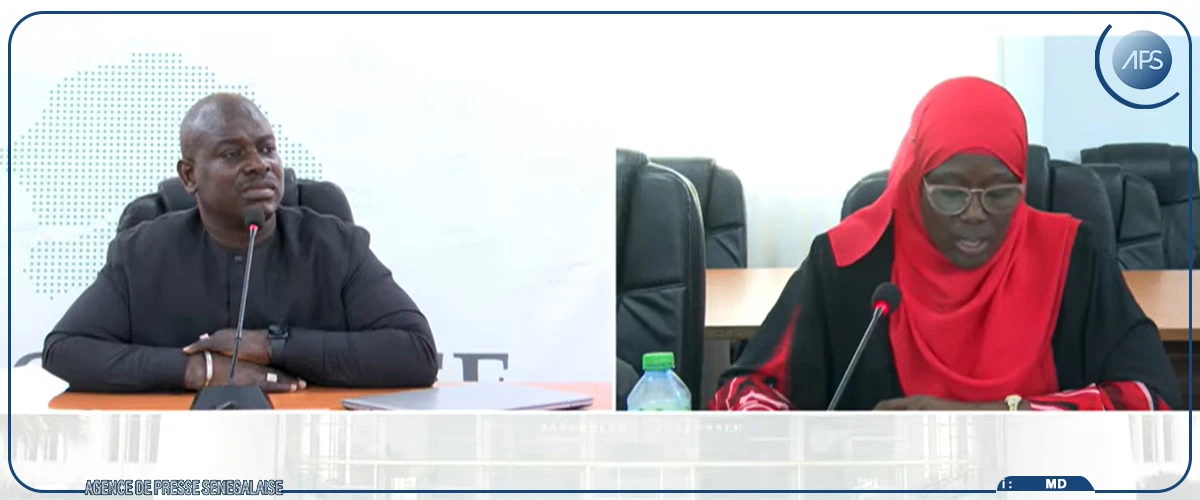
The Senegalese National Assembly is currently engaged in parliamentary inquiry commission auditions, a process that has sparked considerable public discussion, particularly concerning the potential retransmission of these sessions. The decision regarding the publicité auditions parlementaires Sénégal is not automatic; it rests with the members of each commission, who must approve it through a vote. This procedural choice has sharply divided opinion.
Advocates for public broadcast emphasize its role in fostering greater transparence parlementaire Sénégal, arguing that it enables citizens to better grasp the facts under examination. Conversely, critics express concerns that such publicity could compromise the droits de la défense commissions enquête Sénégal, especially when questions are pursued in a public forum, potentially prejudicing individuals. This tension between openness and protection forms the core of the ongoing discourse.
A specific procedural challenge emerged on October 13, 2026, when Aminata Touré and Cheikh Oumar Hann expressed reservations or outright refusals regarding their participation in certain auditions. This incident brought to the forefront questions about the extent of parliamentary commissions' powers and the obligations of summoned individuals, further fueling the debate around commissions d'enquête Sénégal procédure.
Regulatory Provisions and Safeguards for Witnesses
The internal rules governing the National Assembly provide specific frameworks for these proceedings. For instance, the retransmission of auditions is permissible only if an absolute majority of the inquiry commission members vote in favor. However, it is explicitly stipulated that internal deliberations of these commissions must always be conducted in camera, ensuring confidentiality for sensitive discussions.
Crucially, règlement intérieur Assemblée nationale Sénégal article 57 offers a significant safeguard for individuals appearing before commissions. This provision protects those testifying from potential defamation, insult, or contempt charges for statements made during their appearance, provided these remarks are directly pertinent to the inquiry's subject matter. Despite this protection, the broader debate about the implications of public retransmission on defense rights remains unresolved.
Furthermore, the issue of refus auditions parlementaires Sénégal has been clarified by Article 56 of the internal rules. As invoked during the debate surrounding the cases of Aminata Touré and Cheikh Oumar Hann, this article confirms that parliamentary commissions lack the authority to physically compel summoned individuals to testify. Separately, Article 102 grants the Conference of Presidents the power to override the publicity of proceedings through a reasoned decision, which must then be made public by any appropriate means.
Balancing Transparency with Defense Rights: A Wider Perspective
The ongoing debate highlights a fundamental tension between the desire for enhanced transparence parlementaire Sénégal and the imperative to safeguard the droits de la défense commissions enquête Sénégal. While Article 57 provides a measure of legal immunity for testimony, it does not fully alleviate concerns regarding the potential impact of widespread public retransmission on an individual's reputation or future legal standing.
This challenge is not unique to Senegal. Similar discussions about the appropriate balance between public scrutiny and the guarantees of defense rights have taken place in other jurisdictions, notably in France. A collective of legal professionals, who authored a report on French inquiry commissions, addressed this very articulation in an op-ed published in Le Monde on May 19, 2026. Their analysis suggested that a reform of the existing system might be inevitable to better reconcile these competing principles within commissions d'enquête Sénégal procédure.
Practical Implications
Lawyers advising clients summoned before Senegalese parliamentary inquiry commissions must understand the rules governing the publicity of hearings, including the possibility of retransmission, the protections against defamation under Article 57, and the limitations on compelling testimony, to effectively counsel on engagement strategies and manage public exposure.
Source
How does this affect you?
Get an AI analysis of this article grounded in your jurisdictions, practice areas, and any policy documents you've uploaded to Wansom.
Finish Reading the Full Story and the Expert Analysis.
Get the latest legal & regulatory intelligence in Senegal
Wansom is AI and can make mistakes.