
Sénégal: PLFR 2026 PASTEF Conditions Block Budget Bill
Summary
- Senegal's Projet de Loi de Finances Rectificative 2026 is currently facing a significant parliamentary blockage.
- The bill was rejected by a commission on Friday due to a lack of consensus among lawmakers.
- Its examination in a full plenary session has been postponed to Tuesday, October 27, 2026, at 10:00 AM.
- The political party PASTEF is responsible for the obstruction, setting five specific conditions for its approval.
- These conditions notably include concerns regarding national debt and the purchasing power of citizens.
Parliamentary Impasse Over PLFR 2026
The ongoing parliamentary deadlock over the Projet de Loi de Finances Rectificative 2026 carries substantial implications for Senegal's fiscal stability and economic predictability.
The Projet de Loi de Finances Rectificative 2026 (PLFR 2026) in Senegal has encountered a significant legislative hurdle, leading to a parliamentary blockage. This crucial financial bill, designed to amend the nation's budget, failed to gain approval during its review by a parliamentary commission on Friday. The absence of a consensus among the commission members resulted in the immediate rejection of the text, preventing its advancement through the legislative process.
As a direct consequence of this rejection, the scheduled examination of the PLFR 2026 in a full plenary session has been postponed. Initially set for an earlier date, the debate and potential vote on the bill are now slated for Tuesday, October 27, 2026, at 10:00 AM. This deferral highlights the depth of the disagreement surrounding the proposed budget adjustments and signals a period of intensified political negotiation before the Loi de finances rectificative Sénégal can move forward.
PASTEF's Conditions for Budget Approval
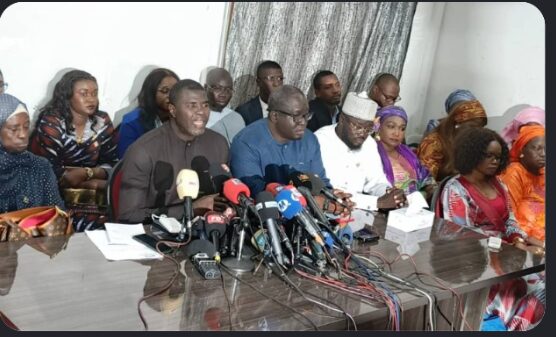
The political party PASTEF is identified as the primary force behind the current Sénégal budget 2026 blocage. Exercising its influence within the legislative body, PASTEF has taken a firm stance, effectively halting the progression of the Projet de Loi de Finances Rectificative 2026. The party has made it clear that its cooperation is contingent upon the government addressing a specific set of demands.
PASTEF has formally presented five conditions that it insists must be met before it will permit the amended budget bill to pass. While the comprehensive details of all five conditions have not been fully disclosed, the party has explicitly emphasized concerns related to the national debt and the purchasing power of citizens. This assertive posture by PASTEF parlementaire Sénégal underscores a strategic effort to influence key fiscal policies and ensure that the PLFR 2026 PASTEF conditions Sénégal are central to the legislative debate.
The Nature of Senegal's Amended Finance Bill
A Loi de finances rectificative Sénégal serves as a vital legislative tool, allowing the government to make necessary adjustments to the initial annual finance law. These amendments are typically introduced to respond to evolving economic conditions, unforeseen expenditures, or shifts in national priorities that arise after the primary budget has been enacted. The PLFR 2026, therefore, represents a critical update to the nation's financial framework for the upcoming fiscal year.
The current hold-up in the approval of this significant Sénégal législation fiscale 2026 means that any proposed changes to government spending, revenue projections, and economic programs are temporarily suspended. This legislative instrument is fundamental for ensuring that the state's financial operations remain aligned with current realities and objectives. The delay could impact various governmental departments and public sector projects that rely on the revised budgetary allocations.
Broader Implications for Senegal's Fiscal Landscape
The ongoing parliamentary deadlock over the Projet de Loi de Finances Rectificative 2026 carries substantial implications for Senegal's fiscal stability and economic predictability. The inability to promptly approve the amended budget could introduce uncertainty into the nation's financial planning, potentially affecting both public and private sector operations. Businesses and investors often rely on a clear and stable fiscal environment to make informed decisions, and prolonged delays can disrupt this.
Furthermore, the specific conditions raised by PASTEF, particularly concerning national debt and purchasing power, point to fundamental economic challenges that require legislative attention. The resolution of this Sénégal budget 2026 blocage is not merely a procedural matter but a critical step towards addressing these underlying economic issues. The outcome of the upcoming plenary session on October 27, 2026, will be closely watched as it will determine the immediate future of Senegal's fiscal policy and its capacity to respond to the economic needs of its citizens.
Practical Implications
Lawyers and compliance officers should closely monitor the parliamentary progress of Senegal's Amended Finance Bill 2026. The current blockage and postponement indicate potential delays or changes to fiscal policies, which could impact financial planning, tax compliance, and government-related transactions for businesses operating in Senegal.
Source
How does this affect you?
Get an AI analysis of this article grounded in your jurisdictions, practice areas, and any policy documents you've uploaded to Wansom.
Finish Reading the Full Story and the Expert Analysis.
Get the latest legal & regulatory intelligence in Senegal
Wansom is AI and can make mistakes.