
Sénégal Modification Code Pétrolier 2019: Assemblée Nationale to Debate
Summary
- The Senegalese National Assembly is scheduled to hold three plenary sessions between September 29 and October 2.
- Deputies will examine bill n°37/2026, which proposes modifications to the 2019 Petroleum Code.
- The Energy and Mineral Resources Committee previously studied the proposed changes to the Petroleum Code on September 24.
- Discussions during the sessions will also cover the broader governance of oil and gas resources in Senegal.
- Other legislative items on the agenda include the biometric identity card, health in correctional facilities, and a report on Softcare products.
What Happened
A key focus for deputies will be the examination of bill n°37/2026, which proposes amendments to the 2019 Petroleum Code.
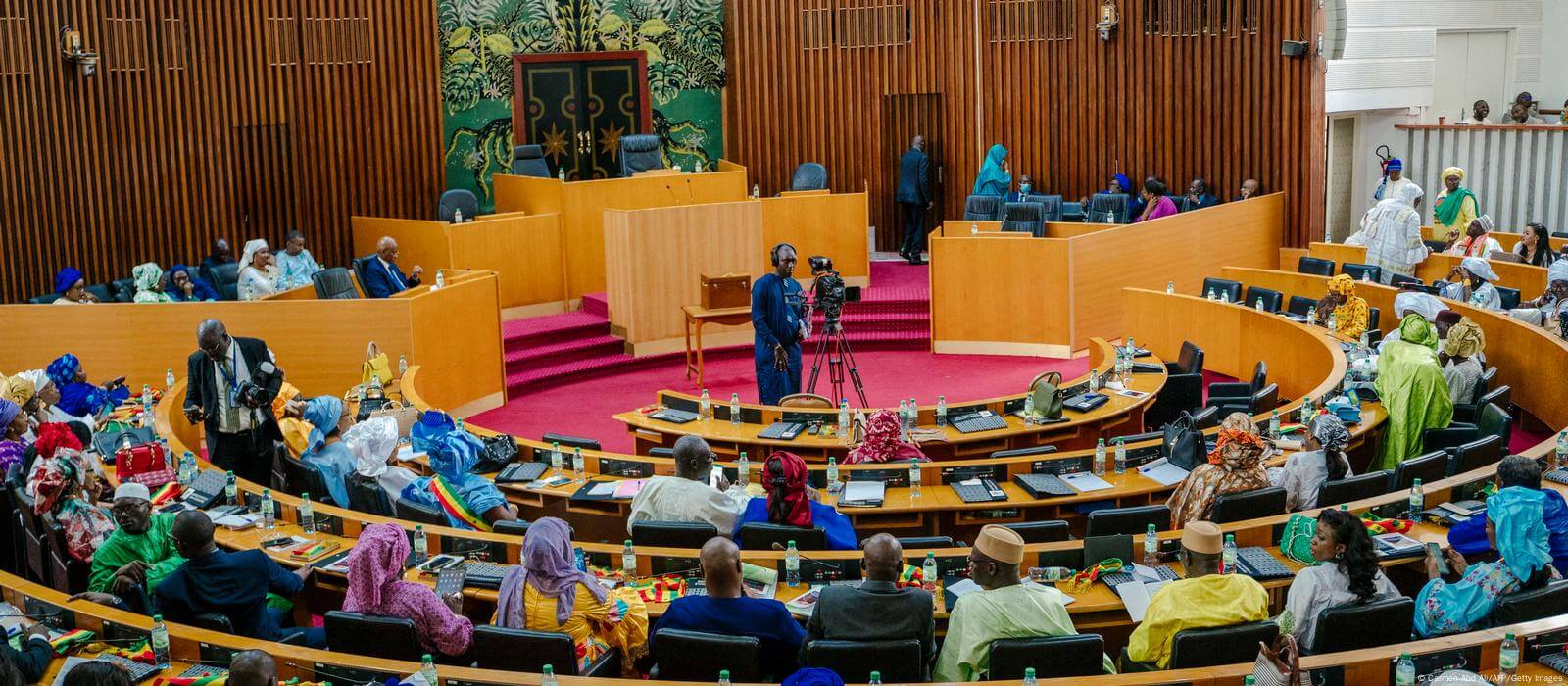
The Senegalese National Assembly is set to convene for three plenary sessions between September 29 and October 2, during which a range of critical legislative matters will be addressed. High on the agenda is the proposed Sénégal modification Code pétrolier 2019, a development of significant interest to stakeholders in the nation's burgeoning energy sector. These parliamentary sittings will also cover discussions on the national biometric identity card system, healthcare provisions within correctional facilities, and a detailed report concerning Softcare products. The comprehensive schedule for these sessions was officially released by the National Assembly, as reported by Xalima.
Legislative Review Underway
A key focus for deputies will be the examination of bill n°37/2026, which proposes amendments to the 2019 Petroleum Code. This particular projet de loi Code pétrolier Sénégal is slated for review on Tuesday, September 29, commencing at 3 PM. The groundwork for this discussion was laid on Thursday, September 24, when the Energy and Mineral Resources Committee undertook a thorough study of the proposed changes. Beyond the specific articles of the loi n°37/2026 Code pétrolier, the broader parliamentary discourse is also expected to encompass the overarching gouvernance ressources pétrolières gazières Sénégal, highlighting the nation's commitment to refining its framework for managing these vital resources. The ongoing review of the législation pétrolière sénégalaise underscores a dynamic regulatory environment.
Broader Parliamentary Agenda
The legislative calendar for the Assemblée nationale Sénégal extends beyond the Petroleum Code. The plenary sessions will kick off on Tuesday morning, September 29, with an examination of bill n°21/2026. This bill aims to modify the 2016 framework for the ECOWAS biometric card, addressing the impending expiration of cards issued in 2016 and considering their extension. Principal Police Commissioner Ibrahima Dieng, who serves as the Director of Files Automation, has already announced administrative and operational measures in this regard, while a legislative process is underway to adapt the regulatory framework to ensure the continued validity of these documents, especially with upcoming territorial elections. Later in the week, on Wednesday, September 30, at 3 PM, deputies will consider bill n°39/2026, which focuses on health within the prison system. This specific legislative proposal was prepared during an inter-committee meeting on September 24, involving both the Health and Law committees.
Concluding the Session
The parliamentary proceedings will culminate on Friday, October 2, at 10 AM, with elected officials reviewing the report from a parliamentary fact-finding mission that investigated the commercialization of Softcare products. This session is also designated to mark the official closure of the third extraordinary session of 2026. It is worth noting that while organic bill n°38/2026, pertaining to amendments to the organic law on finance laws, and a rectifying finance bill were initially included when the session opened, they do not appear in the detailed schedule for these three specific plenary sessions. The comprehensive agenda reflects the diverse legislative priorities currently facing the Assemblée nationale Sénégal.
Practical Implications
Legal professionals advising on energy and natural resources in Senegal should monitor the ongoing parliamentary review of the 2019 Petroleum Code for potential amendments that could impact oil and gas operations and investment.
Source
Source: Original reporting via Xalima
How does this affect you?
Get an AI analysis of this article grounded in your jurisdictions, practice areas, and any policy documents you've uploaded to Wansom.
Finish Reading the Full Story and the Expert Analysis.
Get the latest legal & regulatory intelligence in Senegal
Wansom is AI and can make mistakes.