
Sénégal: Ministre Cissé Avertit Contre la Xénophobie
Summary
- Minister Mouhamadou Makhtar Cissé warned against xenophobic speech targeting foreigners in Senegal at the Gracs event.
- He emphasized the media's responsibility for social stability and cautioned against the ethnicization of public debate.
- Cissé cited a July 6 CORED warning to media against stigmatizing foreigners.
- Boubacar Sèye of Horizon Sans Frontières called for a national pact against xenophobia to protect social cohesion.
- The Minister highlighted that over two million Senegalese abroad could face repercussions from domestic anti-foreigner sentiment.
A Government Warning on Xenophobia
He pointed out that more than two million Senegalese citizens currently reside outside the country's borders.
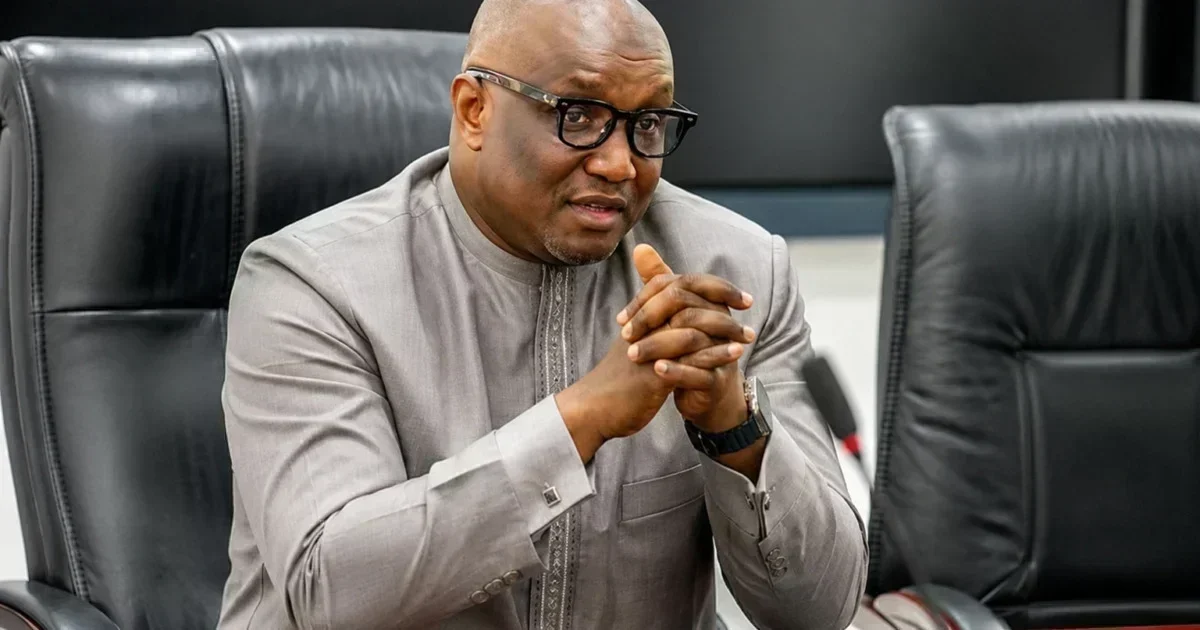
Mouhamadou Makhtar Cissé, who serves as Senegal's Minister of Interior and Public Security, recently issued a strong admonition regarding xenophobic rhetoric within the nation. Speaking at the inaugural Gracs event, which centered on the role of media in fostering national cohesion, Minister Cissé cautioned against public discourse that targets foreign residents. He articulated a belief that such hateful expressions could unfairly attribute complex societal challenges to specific communities or nationalities, potentially leading to the ethnicization of public dialogue.
The Minister also addressed the critical function of the press, advocating for its freedom and independence while simultaneously underscoring its profound responsibility for maintaining social stability. He clarified that decisions concerning what content to publish should be guided by sound judgment rather than by external censorship or internal self-censorship. This intervention, as reported by Senenews, highlights the government's concern over the proliferation of divisive narratives.
Regulatory Scrutiny and Calls for Action
The government's stance aligns with previous regulatory actions and civil society appeals. Minister Cissé specifically referenced a warning issued by the Conseil pour l'Observation des Règles d'Éthique et de Déontologie dans les médias (CORED) on July 6. This earlier directive from CORED explicitly cautioned against media outlets disseminating remarks that stigmatize foreign individuals residing in Senegal, indicating an ongoing regulatory focus on responsible reporting.
Further amplifying these concerns, Boubacar Sèye, the President-founder of Horizon Sans Frontières, has publicly urged President Bassirou Diomaye Faye to take a definitive stand against the normalization of anti-foreigner sentiment. Sèye advocates for the establishment of a national pact to combat xenophobia, arguing that the nation's social cohesion and its cherished value of "Téranga" are at risk. He also champions a migration policy that is firm yet consistently upholds human dignity.
The Broader Stakes for National and International Relations
A significant dimension of Minister Cissé's warning pertains to the potential international ramifications of unchecked xenophobia. He pointed out that more than two million Senegalese citizens currently reside outside the country's borders. These expatriates, he cautioned, could become vulnerable to retaliatory sentiments if anti-foreigner rhetoric and actions escalate within Senegal. This underscores a direct link between domestic discourse and the safety and well-being of the Senegalese diaspora.
To illustrate the profound impact of media on national unity, Minister Cissé recalled the evening of March 19, 2000. On that occasion, thousands of citizens across Senegal intently followed election results broadcast via radio, demonstrating the media's capacity to unite a nation during pivotal moments. The current emphasis, therefore, is on leveraging this power responsibly to safeguard social harmony and protect the nation's image and its citizens globally.
Practical Implications
Lawyers advising media entities, public figures, or organizations involved in public discourse in Senegal should note the heightened governmental and regulatory scrutiny (e.g., from CORED) on xenophobic speech. This necessitates careful review of communications to ensure compliance with ethical guidelines and to mitigate risks of inciting social instability or facing official reprimand.
Source
Source: Original reporting via Senenews.
How does this affect you?
Get an AI analysis of this article grounded in your jurisdictions, practice areas, and any policy documents you've uploaded to Wansom.
Finish Reading the Full Story and the Expert Analysis.
Get the latest legal & regulatory intelligence in Senegal
Wansom is AI and can make mistakes.