
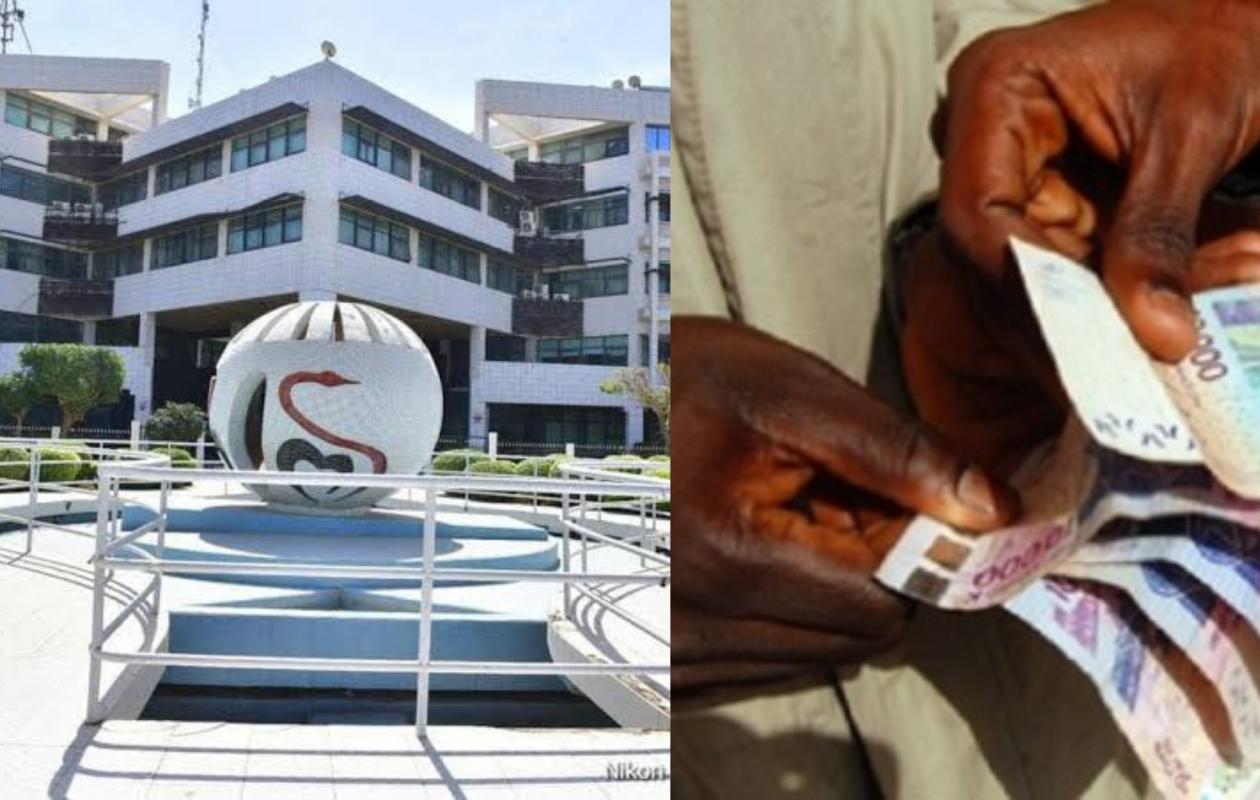
Sénégal Ministère Santé: Détournement 390 Millions FCFA Leads to Arrests
Summary
- Two administrative officials from Senegal's Ministry of Health have been arrested.
- They are currently in police custody at the Division des investigations criminelles (DIC).
- The arrests are linked to the presumed embezzlement of 390 million FCFA in public funds.
- The investigation focuses on the management of internship allowances for seventh-year medical students.
What Happened
The alleged Détournement 390 millions FCFA Ministère Santé Sénégal carries substantial implications beyond the immediate arrests, resonating across the public administration.
A significant financial scandal has emerged within Senegal's Ministry of Health, involving the alleged misappropriation of public funds totaling 390 million FCFA. This development has led to the arrest and detention of two senior administrative officials from the ministry. The individuals are currently held in police custody at the Division des investigations criminelles (DIC), following an intensive inquiry into their conduct regarding public finances. The initial reports indicate a serious breach of trust and financial regulations within a key government department.
The ongoing investigation specifically targets the management and distribution of internship allowances designated for seventh-year medical students. These funds, crucial for supporting future healthcare professionals during their practical training, are suspected of having been diverted from their intended purpose, impacting a vital aspect of medical education. The arrest of these high-ranking cadres underscores the seriousness with which authorities are treating the presumed embezzlement, highlighting a potential systemic issue in the oversight of financial disbursements.
Legal and Regulatory Scrutiny
The Division des investigations criminelles (DIC) is spearheading the inquiry into this alleged financial malfeasance, signaling a heightened focus on public sector accountability and the enforcement of financial regulations in Senegal. The placement of the two Ministry of Health officials in police custody represents a critical phase in the legal process, allowing investigators to gather further evidence and clarify the extent of the alleged wrongdoing. This action falls squarely under the purview of Droit pénal financier Sénégal, which rigorously addresses crimes related to the misuse of public finance and corruption.
This incident highlights the rigorous efforts being made to combat Malversation fonds publics Sénégal and Fraude financière Ministère Santé Sénégal. The DIC's intervention demonstrates a firm commitment to uncovering and prosecuting instances of Corruption secteur public Sénégal, particularly when they involve significant sums and impact vital public services like healthcare education. The legal framework in Senegal provides for severe penalties for such offenses, aiming to deter future acts of financial misconduct within government institutions and restore public confidence in financial stewardship.
Broader Implications
The alleged Détournement 390 millions FCFA Ministère Santé Sénégal carries substantial implications beyond the immediate arrests, resonating across the public administration. It raises serious questions about the integrity of financial controls and oversight mechanisms within the Ministry of Health, particularly concerning the Gestion allocations stage médecine. Such incidents can severely erode public trust in governmental institutions and undermine the morale of students who rely on these allowances for their professional development, potentially disrupting the pipeline of medical talent.
This case serves as a stark reminder of the ongoing challenges in safeguarding public resources and ensuring transparency in their allocation. The investigation into the DIC arrestation cadres Santé Sénégal underscores a broader governmental push to address financial irregularities and promote good governance, emphasizing zero tolerance for corruption. The outcome of this inquiry will likely influence future policies regarding financial management and anti-corruption measures across various public sectors in Senegal, reinforcing the need for robust internal audits and accountability to prevent similar occurrences.
Practical Implications
This development signals heightened scrutiny by the DIC on financial management within Senegalese public institutions, particularly regarding allowances and grants. Compliance officers and legal counsel advising entities interacting with the Ministry of Health or other public bodies should review internal financial controls and anti-corruption policies to mitigate exposure to similar investigations.
Source
How does this affect you?
Get an AI analysis of this article grounded in your jurisdictions, practice areas, and any policy documents you've uploaded to Wansom.
Finish Reading the Full Story and the Expert Analysis.
Wansom is AI and can make mistakes.