
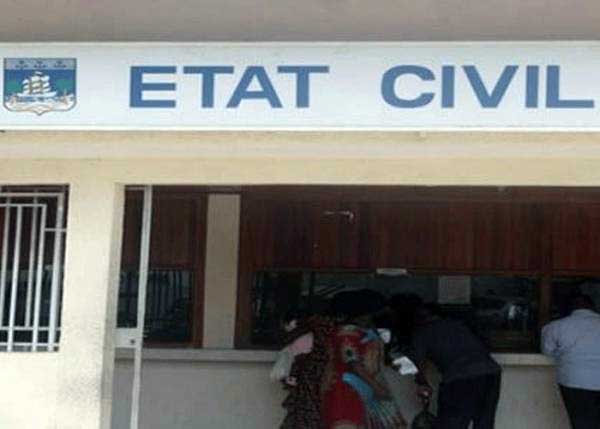
Sénégal: Délégué de Quartier Rôle État Civil Sénégal Clarified
Summary
- Délégués de quartier in Senegal serve as crucial, informal community intermediaries for civil status matters, guiding residents despite lacking official authority to process documents.
- Administrative failures in civil status documentation, highlighted by cases like “Bébé Diène,” lead to significant issues affecting education, travel, identity, and international mobility.
- The legal basis for Délégués de quartier is Decree No. 86-761 of 1986, which defines them as mayoral auxiliaries with awareness and census roles, but does not explicitly include civil status data collection.
- A National Forum on Civil Status is scheduled for September 23, 2026, in Dakar to address national and international dimensions of civil status, including consular services and the needs of Senegalese abroad.
- Reliable civil status acts are essential for binational families and citizens living overseas, with deficiencies potentially leading to severe consequences like statelessness.
The Critical Informal Role of Neighborhood Delegates
The Délégué de quartier leverages their deep familiarity with local families and community realities to facilitate initial contact with administrative bodies.
Issues surrounding civil status documentation in Senegal frequently manifest as significant challenges for families and communities. The widely publicized “Bébé Diène” case starkly illuminated the inherent structural vulnerabilities within the Senegalese civil registration system, underscoring how administrative shortcomings can lead to severe consequences. These range from students being forced to discontinue their education due to missing paperwork to individuals abandoning travel plans for similar reasons. Delays in birth declarations, lost documents, or misunderstandings of procedures can complicate school enrollment, access to essential services, identity verification processes, and international mobility.
While modernizing registers and digitizing procedures are important steps, they are insufficient on their own. Citizens often lack clear guidance on which services to approach, what documents are required, or how to navigate bureaucratic hurdles when their applications stall. It is within this crucial gap, at the community level, that the Délégué de quartier (neighborhood delegate) plays a vital, albeit informal, role in addressing the difficulties état civil Sénégal. These delegates are not civil status officers; they possess no legal authority to establish, certify, rectify, or annul any official act. Their function is not to replace legally competent services.
Instead, the Délégué de quartier leverages their deep familiarity with local families and community realities to facilitate initial contact with administrative bodies. This intervention often occurs before documentation problems escalate to compromise a child's schooling or an individual's travel plans. In practice, delegates inform residents about their obligations, relevant deadlines, and necessary procedures. They also direct individuals to the appropriate contacts, thereby preventing unnecessary trips. When a particular administrative difficulty recurs within a neighborhood, the delegate can escalate the issue to the relevant services, acting as a crucial conduit for feedback and problem-solving. This function of alerting authorities and guiding citizens becomes particularly meaningful when administrative blockages have such tangible impacts on educational trajectories and mobility.
Systemic Challenges and International Implications
The reliability of civil status acts established in Senegal is a foundational requirement for numerous administrative processes, particularly those involving binational families and Senegalese citizens residing abroad. Deficiencies in the civil registration system can have far-reaching implications, affecting critical life events such as filiation, marriage, and death, as well as international mobility. In the most severe instances, these shortcomings can even lead to the risk of statelessness, highlighting the profound importance of a robust and accessible civil status system.
The challenges within the état civil Sénégal extend beyond mere administrative inconvenience; they touch upon fundamental rights and opportunities. The inability to secure proper documentation can impede access to education, healthcare, and other public services, trapping individuals in a cycle of marginalization. For those with international ties, particularly in the context of état civil consulaire Sénégal, these issues are compounded, affecting their ability to travel, work, and maintain legal status in foreign countries. The need for clear guidance and support, which the Délégué de quartier attempts to provide, underscores the human element often overlooked in purely technological solutions to administrative problems.
Legal Framework and Future Reforms
The legal framework governing the statut délégués de quartier Sénégal is established by Decree No. 86-761 of June 30, 1986, which was subsequently modified by Decree No. 92-1615 of November 20, 1992. These decrees define neighborhood delegates as auxiliaries to the mayor within communes across Senegal. Their official missions include raising awareness, assisting with census operations, and participating in specific actions undertaken by local administration. Notably, the collection of civil status data is not explicitly listed among their regulatory duties, yet their practical involvement in civil status matters has evolved significantly over time. The decree does, however, stipulate that delegates are required to report any difficulties encountered in the execution of their assigned tasks to the competent authorities.
This evolving, informal role of the Délégué de quartier in civil status matters takes on particular significance as Senegal prepares for the Forum national état civil Sénégal 2026. Scheduled for September 23, 2026, at the Grand Théâtre de Dakar, this pivotal event will focus on the theme: “Civil Status in Senegal: national issue, international dimension.” The forum aims to thoroughly examine the intricate connections between national civil status procedures, the operations of état civil consulaire Sénégal, and the specific needs of Senegalese citizens living abroad. This upcoming discussion provides a critical opportunity for a comprehensive réforme état civil Sénégal, potentially formalizing or clarifying the role of community intermediaries like the Délégué de quartier and addressing the persistent difficultés état civil Sénégal.
Practical Implications
Lawyers and compliance officers advising on civil status matters in Senegal should understand the informal but critical role of Délégués de quartier as community intermediaries, noting their limited official capacity for legal acts. They should monitor the upcoming National Forum on Civil Status in September 2026 for potential reforms that could impact administrative procedures and legal advice, particularly concerning international mobility and binationals.
Source
Source: Original reporting via Xibaaru
How does this affect you?
Get an AI analysis of this article grounded in your jurisdictions, practice areas, and any policy documents you've uploaded to Wansom.
Finish Reading the Full Story and the Expert Analysis.
Get the latest legal & regulatory intelligence in Senegal
Wansom is AI and can make mistakes.