
Sénégal Commission Enquête Parlementaire: 'Un Étudiant, Un Ordinateur' Inquiry Begins
Summary
- A parliamentary inquiry has begun in Senegal to investigate the 'Un étudiant, un ordinateur' program.
- The inquiry commission started its auditions on Monday, October 4th, in Dakar.
- The first witness to be heard was a former service official from the Ministry of Higher Education, Research and Innovation.
- The investigation aims to scrutinize the implementation and management of the national computer distribution initiative.
- This parliamentary oversight highlights the government's commitment to accountability and transparency in public programs.
Parliamentary Inquiry Launched into 'Un étudiant, un ordinateur' Program
Lawyers and compliance officers should monitor the progress and findings of this parliamentary inquiry for potential legal liabilities, regulatory non-compliance, or reputational risks for clients involved in or associated with public procurement programs in Senegal, particularly those related to education and technology.
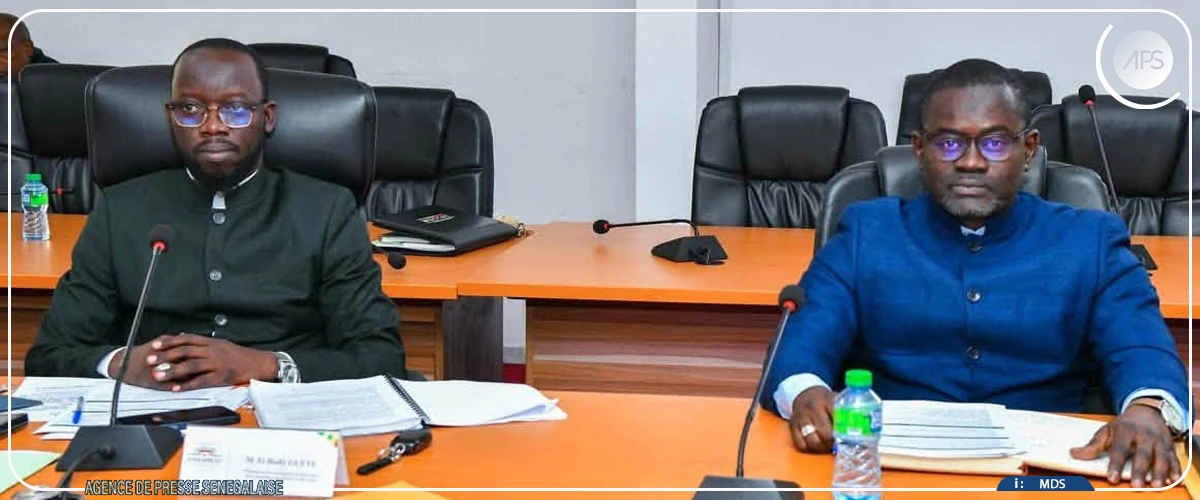
A parliamentary inquiry has officially commenced in Senegal, focusing on the government's 'Un étudiant, un ordinateur' (One student, one computer) initiative. This significant development, reported from Dakar on October 5th, follows the establishment of a special parliamentary commission tasked with scrutinizing the program's implementation and overall management. The inquiry began its formal proceedings on Monday, October 4th, marking a critical step in legislative oversight.
The initial phase of the inquiry involved the audition of a key witness: a former service official previously affiliated with the Ministry of Higher Education, Research and Innovation. This testimony represents the first public step in the commission's efforts to gather information and assess the program's execution. The focus on the 'Programme Un étudiant un ordinateur Sénégal' underscores a broader commitment to transparency and accountability within public sector projects.
The launch of this Sénégal commission enquête parlementaire Un étudiant un ordinateur signals a period of intense scrutiny for the initiative. The commission's mandate is to delve into various aspects of the program, from its procurement processes to its distribution mechanisms, aiming to ensure that public funds were utilized effectively and in accordance with established regulations. The proceedings are expected to shed light on any potential discrepancies or areas for improvement within the ambitious educational technology scheme.
Legal and Regulatory Framework of the Inquiry
Parliamentary inquiries in Senegal serve as a crucial mechanism for legislative oversight, empowering elected representatives to investigate matters of public interest, particularly those involving government expenditure and program implementation. The commission tasked with examining the 'Un étudiant, un ordinateur' program operates under this framework, possessing the authority to summon witnesses, request documents, and conduct thorough investigations into the operations of government ministries and agencies. This process is designed to uphold governmental accountability and ensure the proper administration of public resources.
The specific focus on the Ministry of Higher Education, Research and Innovation highlights the importance of adherence to procurement laws and administrative best practices in large-scale public initiatives. The audit of a former official from this ministry indicates an intent to trace decisions and actions back to their origins, ensuring that all stages of the program's lifecycle were managed with due diligence. Such inquiries often examine contractual agreements, financial flows, and the ultimate impact of the program on its intended beneficiaries.
This Enquête parlementaire enseignement supérieur Sénégal is not merely a review but a formal investigative process. Its findings can lead to recommendations for policy changes, administrative reforms, and, in some cases, the identification of potential legal infractions. The rigorous nature of these proceedings underscores the legal and regulatory environment in which public programs, especially those involving significant technological procurement like the 'Programme Un étudiant un ordinateur Sénégal', must operate.
Broader Implications for Governance and Public Trust
The parliamentary inquiry into the 'Un étudiant, un ordinateur' program carries significant implications beyond the immediate scope of the initiative itself. It represents a vital exercise in democratic governance, reinforcing the principle that government programs, particularly those funded by taxpayers, are subject to rigorous scrutiny and accountability. The outcome of this inquiry could influence public trust in government institutions and shape future approaches to large-scale public procurement and educational technology initiatives across Senegal.
For stakeholders, including government officials, contractors, and the public, the inquiry serves as a powerful reminder of the importance of transparency and ethical conduct in public service. Any findings of mismanagement, inefficiency, or impropriety could have far-reaching consequences, impacting reputations and potentially leading to legal actions. Conversely, a clear demonstration of sound management and effective implementation could bolster confidence in the government's capacity to deliver on its promises.
Lawyers and compliance officers should monitor the progress and findings of this parliamentary inquiry for potential legal liabilities, regulatory non-compliance, or reputational risks for clients involved in or associated with public procurement programs in Senegal, particularly those related to education and technology. The precedent set by this investigation into the 'Programme Un étudiant un ordinateur Sénégal' will likely influence how future government contracts are awarded and managed, emphasizing the need for robust compliance frameworks and due diligence from all parties involved.
Practical Implications
Lawyers and compliance officers should monitor the progress and findings of this parliamentary inquiry for potential legal liabilities, regulatory non-compliance, or reputational risks for clients involved in or associated with public procurement programs in Senegal, particularly those related to education and technology.
Source
Source: Original reporting via APS
How does this affect you?
Get an AI analysis of this article grounded in your jurisdictions, practice areas, and any policy documents you've uploaded to Wansom.
Finish Reading the Full Story and the Expert Analysis.
Get the latest legal & regulatory intelligence in Senegal
Wansom is AI and can make mistakes.