
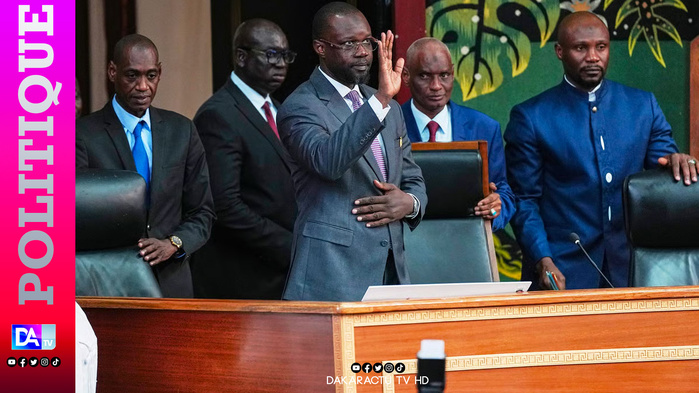
Sénégal Assemblée Nationale: Vote Bloqué Propositions Face Opposition Gouvernementale
Summary
- Senegal's National Assembly is in an extraordinary session, debating three proposed laws.
- Justice Minister Me Moussa Sarr, representing the government, opposed proposals on oil contract transparency, mental health in prisons, and special fund regulation.
- Deputies rejected all government amendments, leading to a potential "vote bloqué" procedure.
- The "vote bloqué" allows the government to force a single vote on a text, retaining only its approved amendments.
- Upcoming plenary sessions will determine the fate of these bills and the use of this parliamentary mechanism.
Legislative Standoff in Senegal's National Assembly
The government's steadfast opposition to the proposed laws, coupled with the potential deployment of the 'vote bloqué' procedure, signals a broader effort to maintain executive control over key policy areas.
Senegal's National Assembly is currently navigating a contentious extraordinary session, where deputies have been examining several proposed laws within committee. This legislative process has encountered significant friction, primarily due to the government's strong opposition to three key legislative initiatives. Justice Minister Me Moussa Sarr, representing the government, has voiced objections to these proposals, setting the stage for a potential procedural showdown.
The proposals, which aim to introduce new regulations across various sectors, have faced a united front from the deputies. Despite the government's stance, the parliamentary representatives have collectively rejected all amendments put forth by the executive. This firm rejection underscores a significant divergence between the legislative and executive branches regarding the future direction of these bills, particularly concerning the Sénégal Assemblée nationale vote bloqué propositions.
This legislative impasse has opened the door to the potential invocation of a "vote bloqué" during the upcoming plenary sessions. This procedural mechanism, if utilized, could dramatically alter how these texts are ultimately adopted. The possibility of such a move highlights the escalating tensions surrounding these critical legislative efforts and the government's determination to shape the final versions of these laws, despite the initial opposition from the deputies.
Contentious Proposals: Oil Contracts and Special Funds
Among the legislative proposals sparking intense debate, two stand out for their profound implications on national governance and transparency: the oversight of oil contracts and the regulation of special funds. One proposition sought to mandate the presentation of oil contracts to deputies prior to their official signing by the President of the Republic. Crucially, this measure would not have subjected these contracts to a parliamentary vote, but rather aimed to enhance transparency by ensuring legislative review before finalization. This initiative directly addresses concerns regarding contrats pétroliers transparence Sénégal.
A separate, equally significant proposal focused on establishing a clear framework for the management of special funds. This area has historically been subject to less stringent oversight, and the proposed legislation aimed to introduce greater accountability. However, Justice Minister Me Moussa Sarr, in his opposition to this bill, argued for the necessity of maintaining a degree of discretion in their administration. He specifically cited the importance of these funds for financing social actions, suggesting that strict regulation could impede their effective deployment for public benefit, thereby touching upon the sensitive issue of gestion fonds spéciaux Sénégal.
The third proposal, though not detailed in the same financial or governance context, addressed the provision of mental health care within the prison system. While the source does not elaborate on the specific reasons for the government's opposition to this particular bill, its inclusion among the contested items indicates a broad disagreement between the executive and legislative branches on several key policy fronts.
The 'Vote Bloqué' Procedure and Parliamentary Dynamics
The ongoing legislative dispute in Senegal's National Assembly could culminate in the use of a parliamentary maneuver known as the "vote bloqué." This procedure, a significant tool within droit parlementaire sénégalais, empowers the government to demand a single vote on an entire legislative text, or a specific portion of it. Critically, when this mechanism is invoked, only those amendments that have received government approval are retained for consideration, effectively sidelining any modifications proposed by deputies that the executive does not endorse.
This procedural option is particularly relevant given the deputies' unanimous rejection of all amendments presented by the government during the commission stage. Should the government opt for the "vote bloqué," it would bypass further individual amendment debates, streamlining the legislative process in its favor. This approach significantly alters the dynamics of parliamentary deliberation, potentially limiting the influence of individual deputies and opposition parties in shaping the final legislative output.
Upcoming plenary sessions are scheduled to allow deputies to cast their votes on these contentious texts. The decision on whether to employ the procédure vote bloqué parlement will likely be made in the lead-up to or during these sessions, marking a critical juncture for the proposed laws concerning oil contracts, special funds, and mental health care in prisons. The outcome will not only determine the fate of these specific bills but also set a precedent for the balance of power between the executive and legislative branches in future legislative endeavors.
Implications for Oversight and Transparency
The government's steadfast opposition to the proposed laws, coupled with the potential deployment of the 'vote bloqué' procedure, signals a broader effort to maintain executive control over key policy areas. This approach could have significant ramifications for parliamentary oversight and the overall transparency of governance in Senegal. Should the government succeed in pushing through versions of the laws that retain executive discretion, particularly concerning oil contracts and the management of special funds, it could diminish the legislative branch's capacity for independent scrutiny.
The proposed legislation on oil contracts, which aimed for pre-signature presentation to deputies without requiring a vote, represented a step towards increased transparency in a sector vital to the nation's economy. Similarly, efforts to regulate special funds sought to enhance accountability in the allocation and expenditure of public resources. The executive's resistance to these measures, and its potential use of a procedural tool to override legislative amendments, suggests a preference for less parliamentary intervention in these critical domains.
Therefore, the final legislative texts emerging from this extraordinary session, particularly those pertaining to oil contracts and special funds, warrant close monitoring. The outcome will not only reflect the current balance of power within the Senegalese political landscape but also indicate the future trajectory of transparency requirements and compliance risks for entities operating within these sectors.
Practical Implications
Lawyers and compliance officers should monitor the final legislative texts on oil contracts and special funds in Senegal. The government's opposition and potential use of the 'vote bloqué' procedure indicate a push for less parliamentary oversight, which could impact future transparency requirements and compliance risks.
Source
Source: Original reporting via Dakaractu
How does this affect you?
Get an AI analysis of this article grounded in your jurisdictions, practice areas, and any policy documents you've uploaded to Wansom.
Finish Reading the Full Story and the Expert Analysis.
Get the latest legal & regulatory intelligence in Senegal
Wansom is AI and can make mistakes.