
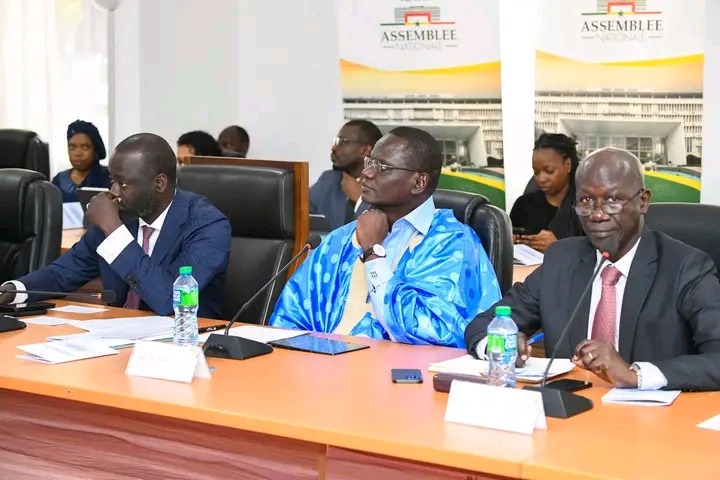
Sénégal Assemblée Nationale Rejette Budget Énergie 2027: Minister Diouf's Proposal Declined
Summary
- Senegal's National Assembly committees rejected the Ministry of Energy and Petroleum's 2027 budget proposal.
- The decision was made on Wednesday, November 11, 2026, after a presentation by Minister Abdourahmane Diouf.
- The Finance and Budget Control Committee, along with the Energy and Mineral Resources Committee, conducted the review.
- This rejection highlights the legislative branch's robust budgetary oversight in Senegal.
- The outcome necessitates a revision of the budget and could impact future energy projects and policies.
Legislative Rejection of Energy Budget
The decision by the Sénégal Assemblée nationale rejette budget Énergie 2027 carries substantial implications for the country's energy landscape.
A key parliamentary body in Senegal, the Finance and Budget Control Committee of the National Assembly, in an expanded session that included the Energy and Mineral Resources Committee, recently declined to approve the 2027 budget proposal for the Ministry of Energy and Petroleum (MEP). This significant legislative action took place on Wednesday, November 11, 2026, following a presentation by Minister Abdourahmane Diouf. The rejection of this critical financial document signals a potential re-evaluation period for the nation's energy spending priorities.
The process involved a detailed examination of the projet de budget 2027 ministère Énergie Sénégal by the combined committees. Minister Diouf, representing the MEP, outlined the ministry's financial requirements and strategic allocations for the coming year. However, after deliberation, the Commission Finances Assemblée nationale Sénégal and its counterpart found the proposal unsatisfactory, leading to its rejection. This outcome, as communicated by the National Assembly, highlights the robust contrôle budgétaire Assemblée nationale exercised over executive branch proposals.
Parliamentary Oversight and Budgetary Process
The rejection of the energy budget by the Senegalese National Assembly's committees is a clear demonstration of the legislative branch's constitutional role in fiscal oversight. In Senegal, the Assemblée nationale holds the power to approve or reject government spending plans, ensuring accountability and adherence to national priorities. This particular instance involved a specialized review, where the expertise of the Energy and Mineral Resources Committee was integrated with the financial scrutiny of the budget committee, emphasizing the technical nature of the proposal.
Such a decision means that the Ministry of Energy and Petroleum will likely need to revise its projet de budget 2027 and resubmit it for parliamentary consideration. The legislative framework in Senegal mandates that government ministries secure parliamentary approval for their annual financial allocations. The current rejection underscores the importance of aligning executive proposals with legislative expectations and national development goals, particularly in a sector as vital as energy.
Implications for Senegal's Energy Sector
The decision by the Sénégal Assemblée nationale rejette budget Énergie 2027 carries substantial implications for the country's energy landscape. A rejected budget can lead to delays in the implementation of planned projects, policy initiatives, and operational activities within the Ministry of Energy and Petroleum. This could affect everything from infrastructure development to regulatory reforms, potentially impacting both domestic energy supply and international partnerships.
For stakeholders within Senegal's energy sector, including investors and operators, this development signals a period of uncertainty. The need for Minister Abdourahmane Diouf to present a revised budget means that the financial framework governing energy policy for 2027 remains fluid. The Sénégal législation budget 2027 process requires careful navigation, and the outcome of these parliamentary discussions will ultimately shape the operational environment for energy-related activities across the nation.
Practical Implications
Lawyers advising clients in Senegal's energy sector should monitor the revised budget proposals and subsequent parliamentary discussions. The rejection of the Ministry of Energy and Petroleum's 2027 budget signals potential delays or changes to planned energy policies, projects, and regulatory initiatives, which could impact investment timelines, project approvals, or compliance requirements for their clients.
Source
How does this affect you?
Get an AI analysis of this article grounded in your jurisdictions, practice areas, and any policy documents you've uploaded to Wansom.
Finish Reading the Full Story and the Expert Analysis.
Get the latest legal & regulatory intelligence in Senegal
Wansom is AI and can make mistakes.