
Thiès Building Collapse: Survivor Details R+6 Structure, Illegal Construction
Summary
- A building in Thiès, initially reported as R+5, collapsed, resulting in one death and two injuries among three workers.
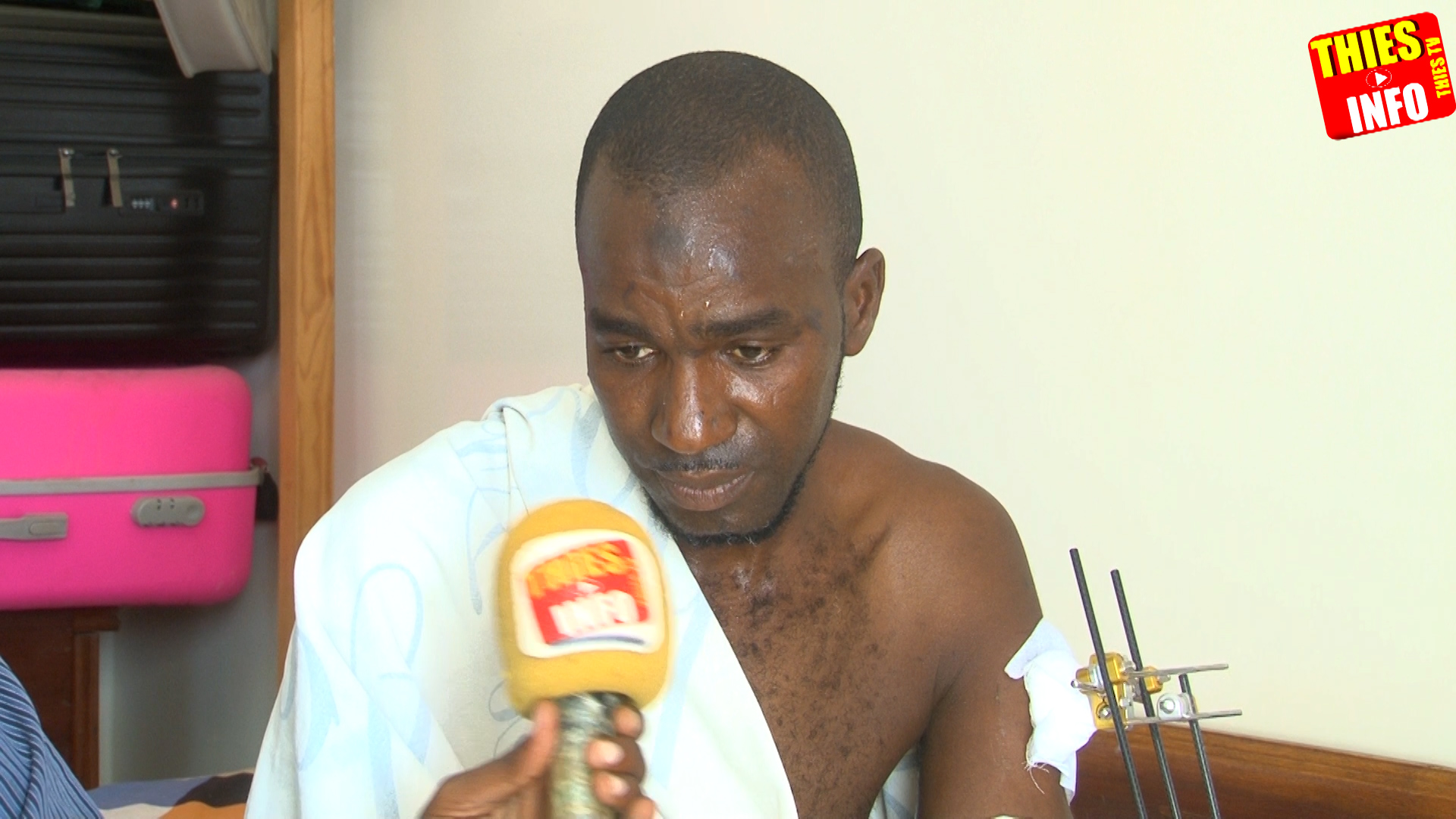
- Survivor Mamadou Aliou Diallo spent three hours trapped under rubble and later underwent surgery.
- The ministry confirmed the building was authorized for R+3, but had reached R+5 at the time of collapse.
- Mamadou Aliou Diallo testified that the structure had partially reached R+6, contradicting previous reports.
- This incident highlights significant non-compliance with building permits and construction regulations in Senegal.
The Thiès Building Collapse
This incident starkly highlights profound issues concerning `normes construction Thiès` and the broader problem of `construction illégale Sénégal`.
A building in Thiès, initially reported as having reached five stories above ground level (R+5), tragically collapsed, leading to a fatality and severe injuries. This catastrophic event occurred approximately two weeks prior to a key survivor's detailed account. Among the three workers present at the construction site during the incident, one individual lost their life, while two others were rescued, according to official figures released during the immediate aftermath.
Mamadou Aliou Diallo, one of the two survivors, provided a harrowing testimony of his experience. He recounted spending an agonizing three hours trapped beneath the debris following the structural failure. His vivid description detailed both the circumstances leading to the accident and his personal ordeal while buried under the rubble. The severity of his injuries necessitated surgical intervention after his rescue.
Unauthorized Expansion and Survivor Testimony
The tragic collapse brought to light significant discrepancies regarding the building's authorized construction height. Official statements from the relevant ministry indicated that the project had received authorization for a maximum of three stories above ground level (R+3). However, at the time of the collapse, the structure had already surpassed this limit, reaching five stories (R+5).
Further complicating the official narrative, survivor Mamadou Aliou Diallo offered a critical `témoignage` to thiesinfo. He asserted that the building, which suffered the `effondrement immeuble Thiès R+6`, had in fact partially extended to six stories above ground level (R+6). This direct observation from a worker on site challenges earlier reports that cited an R+5 completion, underscoring a potentially even greater deviation from the approved `autorisation R+3 Thiès`.
Regulatory Failures and Accountability
This incident starkly highlights profound issues concerning `normes construction Thiès` and the broader problem of `construction illégale Sénégal`. The significant disparity between the permitted R+3 and the actual R+5, or even R+6 as per the survivor's account, points to a severe breakdown in regulatory oversight and compliance. Such unauthorized expansions not only violate building codes but also critically compromise structural integrity, directly contributing to the `responsabilité effondrement bâtiment`.
The case serves as a critical reminder of the dangers inherent in deviating from approved architectural plans and the potential for catastrophic consequences when construction proceeds without strict adherence to safety standards. Ensuring that all building projects, particularly in rapidly developing urban areas like Thiès, strictly follow their `autorisation R+3 Thiès` and other regulatory requirements is paramount to preventing future tragedies and upholding public safety.
Practical Implications
This incident highlights severe non-compliance with building permits and construction regulations in Senegal. Lawyers should advise clients involved in real estate development or construction on the critical importance of adhering strictly to authorized plans (e.g., R+3 vs. R+6) to avoid criminal liability, civil lawsuits, and reputational damage following such catastrophic failures. Compliance officers must ensure robust oversight mechanisms are in place to prevent unauthorized modifications to approved building plans.
Source
Source: Original reporting via thiesinfo
How does this affect you?
Get an AI analysis of this article grounded in your jurisdictions, practice areas, and any policy documents you've uploaded to Wansom.
Finish Reading the Full Story and the Expert Analysis.
Get the latest legal & regulatory intelligence in Senegal
Wansom is AI and can make mistakes.