
Rwanda Courts Private Sector: Turning Nature Conservation into Business Model
Summary
- Rwanda is turning nature conservation into a business model by partnering with private sector companies.
- The country's new approach aims to balance economic development with environmental protection.
- Rwanda's experience may influence similar efforts across Africa and have implications for international environmental agreements.
What Happened
Rwanda's decision to turn nature conservation into a business model is likely to have significant implications for international environmental agreements, such as the Paris Agreement.
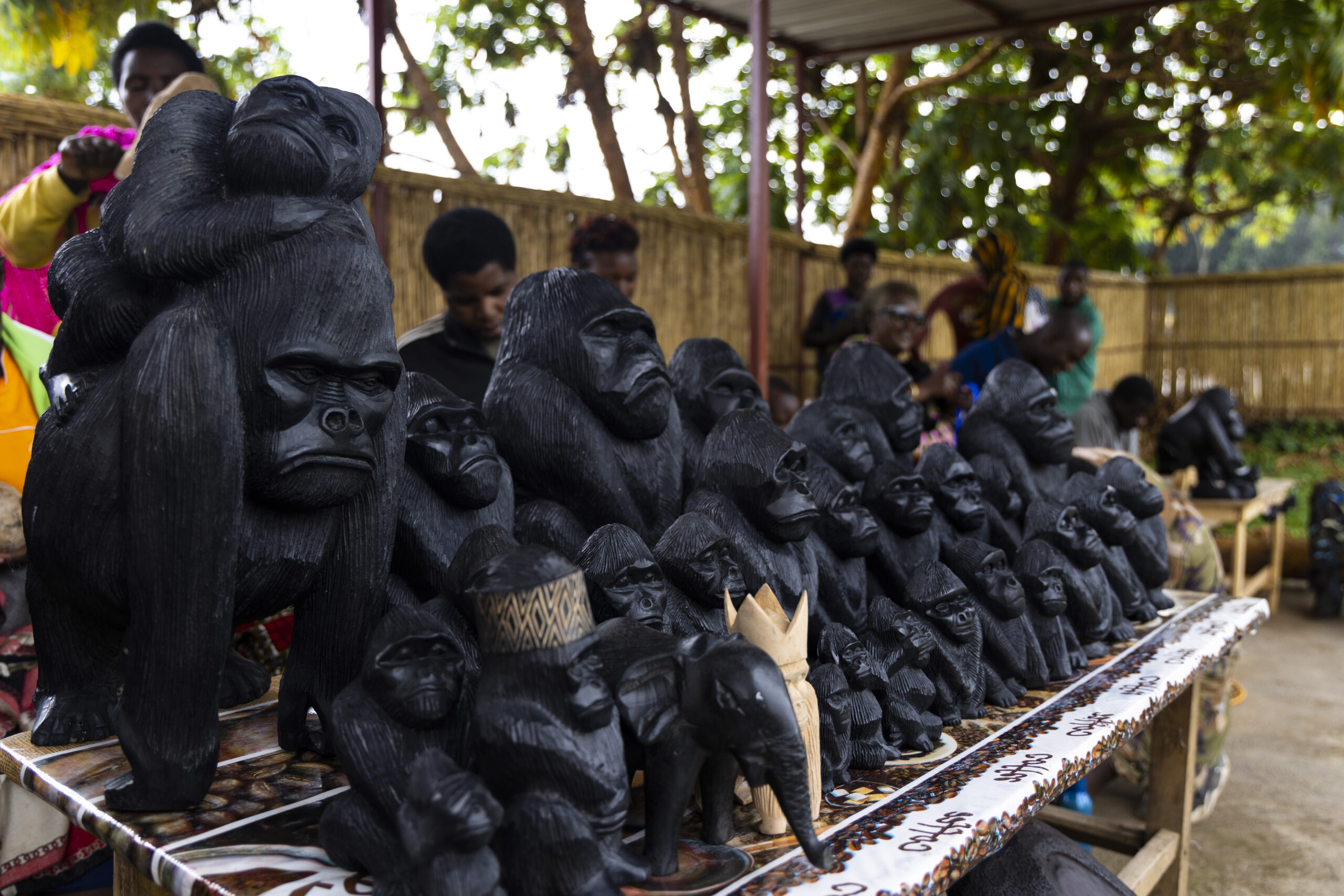
Rwanda has been investing heavily in environmental protection and conservation for years, earning a global reputation for its pristine national parks and mountain gorillas. However, the country is now taking a new approach to nature conservation by turning it into a business model. This shift is driven by the government's recognition that environmental protection can be a lucrative venture, not just an obligation. The new approach involves partnering with private sector companies to develop sustainable tourism initiatives and eco-friendly infrastructure projects.
Legal/Regulatory Context
Rwanda's decision to turn nature conservation into a business model is likely to have significant implications for international environmental agreements, such as the Paris Agreement. The country's approach may also influence similar efforts across Africa, where many nations are grappling with the challenge of balancing economic development with environmental protection. From a regulatory perspective, Rwanda's new approach raises questions about the role of government in promoting sustainable development and the extent to which private sector companies can be involved in environmental conservation initiatives.
Why It Matters
Rwanda's innovative approach to nature conservation has far-reaching implications for the region and beyond. By turning environmental protection into a business model, the country is demonstrating that sustainable development and economic growth are not mutually exclusive. This approach can serve as a model for other nations seeking to balance their environmental obligations with economic development goals. Moreover, Rwanda's experience may also have implications for international environmental agreements, such as the Paris Agreement, which aim to promote global cooperation on climate change mitigation and adaptation.
Practical Implications
Lawyers and compliance officers should watch for the potential implications of Rwanda's new approach on international environmental agreements, such as the Paris Agreement, and how it may influence similar efforts across Africa.
Source
Source: Original reporting via KT PRESS
How does this affect you?
Get an AI analysis of this article grounded in your jurisdictions, practice areas, and any policy documents you've uploaded to Wansom.
Finish Reading the Full Story and the Expert Analysis.
Get the latest legal & regulatory intelligence in Rwanda
Wansom is AI and can make mistakes.