
Rwanda, Belgium: Restore Diplomatic Relations After 18-Month Hiatus
Summary
- Rwanda and Belgium have agreed to restore diplomatic relations after an 18-month break, formalized by their foreign ministers on September 22.
- The agreement will lead to the reopening of both countries' embassies, initially staffed by chargés d’affaires ad interim, with Rwanda's ambassador also accredited to the European Union.
- The diplomatic rupture began on March 17, 2025, due to disagreements over the conflict in eastern Democratic Republic of Congo, leading to embassy closures and expelled diplomats.
- Qatar played a key role in mediating the first meeting between the foreign ministers in Doha in June 2025, contributing to the reconciliation process.
- While diplomatic ties are restored, both nations acknowledge that fundamental differences persist, committing to dialogue, mutual respect, and non-interference to manage them.
Restored Diplomatic Ties
For legal professionals advising clients on cross-border operations or individuals requiring consular assistance, the restoration of Rwanda Belgium diplomatic relations is a critical development.
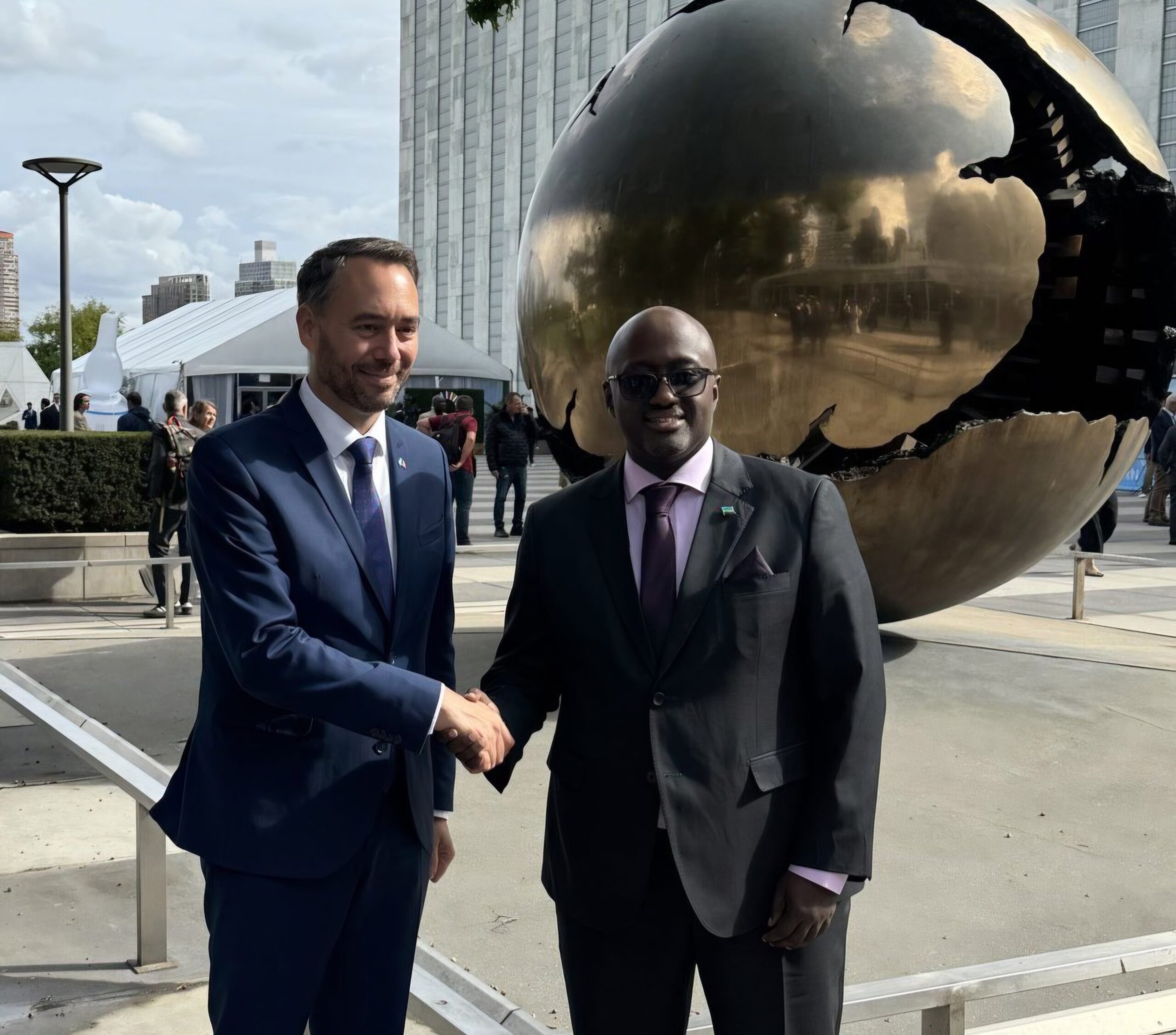
Rwanda and Belgium have formally agreed to restore diplomatic relations, marking the end of an 18-month hiatus. The decision, announced on Tuesday, September 22, was formalized through a joint statement signed in Brussels by Rwanda’s Foreign Minister Olivier Nduhungirehe and Belgium’s Deputy Prime Minister and Foreign Minister Maxime Prévot. This significant development signals a renewed commitment to bilateral engagement between Kigali and Brussels.
The agreement immediately paves the way for the reopening of both countries' embassies. Initially, these diplomatic missions will operate with smaller teams, each led by a chargé d’affaires ad interim. Following this initial phase, both nations will proceed with the formal exchange of requests for ambassadorial approval, known as agrément. Notably, Rwanda’s ambassador appointed to Belgium will also hold accreditation to the European Union, underscoring the broader regional implications of these resumed diplomatic ties.
This Olivier Nduhungirehe Maxime Prévot agreement represents a pivotal shift, re-establishing direct communication channels that were severed due to profound disagreements. The Rwanda Belgium embassy reopening is a tangible outcome, promising a more stable environment for future interactions.
The Preceding Rupture
The diplomatic rupture originated on March 17, 2025, when Rwanda unilaterally severed relations with Belgium. This drastic measure was taken amidst escalating tensions concerning the conflict in the eastern Democratic Republic of Congo, with Kigali accusing Belgium of taking sides in the regional dispute and actively campaigning against Rwanda on the international stage.
Following the break, all bilateral projects and institutions, including an international school, were closed. Belgium, for its part, vehemently denied Rwanda's allegations, characterizing the decision to cut ties as disproportionate. In response, Brussels expelled Rwandan diplomats and terminated existing bilateral government cooperation agreements. Consequently, Belgium’s embassy in Kigali ceased operations, and its Rwanda Belgium consular services were subsequently transferred to its embassy located in Nairobi, Kenya, impacting individuals requiring assistance.
This period of strained relations coincided with an intensification of fighting in eastern Congo, involving the AFC-M23 rebel movement and the DR Congo government. Further complicating matters, the European Union imposed sanctions on several Rwandan military officials and members of M23 on the very day Rwanda announced its diplomatic break, a move that Belgium openly supported.
Path to Reconciliation
The journey towards the restoration of diplomatic relations began with a series of informal contacts and meetings between the foreign ministers of both nations over recent months. A crucial turning point was the first direct meeting between the ministers, which took place in Doha in June 2025. This initial encounter was facilitated by Qatar, which has increasingly emerged as a significant mediator in the broader Great Lakes crisis.
Belgian Foreign Minister Prévot later confirmed Qatar's instrumental role in bringing the two ministers together in Doha. He described the meeting as a constructive forum where both sides could articulate their respective positions and disagreements. Qatar's mediation efforts extended beyond this bilateral engagement; in June 2025, it also hosted diplomatic initiatives involving Rwanda and the Democratic Republic of Congo.
These wider diplomatic processes, supported by Qatar Great Lakes mediation, contributed to comprehensive negotiations that ultimately led to the Rwanda-DRC peace agreement, signed in Washington on June 27, 2025. The success of these regional efforts laid a foundation for the subsequent bilateral reconciliation between Rwanda and Belgium.
Ongoing Dialogue and Implications
Despite the re-establishment of diplomatic channels, the joint statement explicitly acknowledges that fundamental differences and divergent positions between Rwanda and Belgium persist. The agreement does not signify a resolution of all underlying disagreements, particularly concerning the complex regional conflict. Instead, both governments have committed to utilizing dialogue as the primary mechanism for managing these ongoing disparities.
This commitment includes principles of non-interference, mutual respect, and constructive engagement, alongside a pledge to maintain an “open, candid and transparent dialogue.” This emphasis on communication is particularly noteworthy, given that the initial diplomatic rupture was partly fueled by differing interpretations of each country's stance on the eastern Congo conflict. For instance, in June 2026, Minister Prévot reiterated Belgium’s support for the implementation of the Washington agreement, which includes the neutralization of the Rwandan FDLR militia.
For legal professionals advising clients on cross-border operations or individuals requiring consular assistance, the restoration of Rwanda Belgium diplomatic relations is a critical development. It is expected to facilitate legal processes, enable the negotiation of new bilateral agreements, and generally reduce political risk for investments. This development signals a more stable and predictable environment for engagement between the two nations, even as complex regional issues continue to be addressed through these re-opened diplomatic avenues.
Practical Implications
Lawyers advising clients on cross-border operations or individuals requiring consular assistance between Rwanda and Belgium should note the re-establishment of diplomatic channels, which may facilitate legal processes, bilateral agreements, and reduce political risk for investments. This development signals a more stable environment for engagement between the two nations.
Source
How does this affect you?
Get an AI analysis of this article grounded in your jurisdictions, practice areas, and any policy documents you've uploaded to Wansom.
Finish Reading the Full Story and the Expert Analysis.
Get the latest legal & regulatory intelligence in Rwanda
Wansom is AI and can make mistakes.