
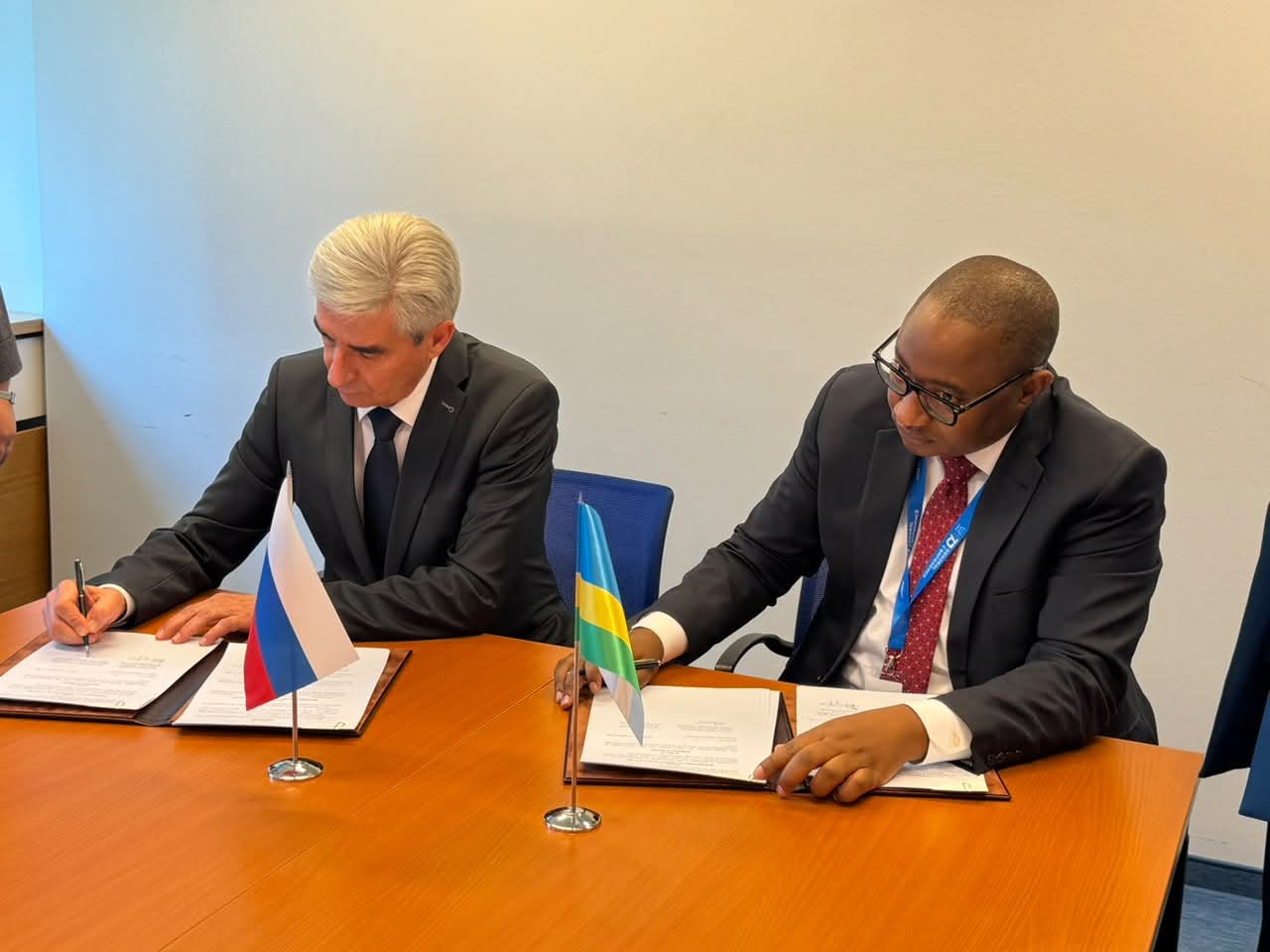
Rwanda: Formalizes Russia Nuclear Energy Deal at IAEA
Summary
- Rwanda's Utilities Regulatory Authority (RURA) signed a cooperation agreement with Russia's federal nuclear energy regulatory body.
- The agreement aims to strengthen collaboration and enhance Rwanda's regulatory capacity for nuclear energy development.
- The signing occurred during the 70th General Conference of the International Atomic Energy Agency (IAEA).
- This partnership supports Rwanda's plans to advance its nuclear energy program by leveraging Russia's expertise.
- The deal is crucial for establishing robust regulatory frameworks and ensuring safe nuclear energy development in Rwanda.
Key Regulatory Accord Signed
This landmark Rwanda Russia nuclear energy deal aims to bolster collaborative efforts as Rwanda actively pursues its ambitions in nuclear energy development.
Rwanda's Utilities Regulatory Authority (RURA) has formalized a significant cooperation agreement with Russia's federal body responsible for overseeing environmental, industrial, and nuclear energy regulation. This landmark Rwanda Russia nuclear energy deal aims to bolster collaborative efforts as Rwanda actively pursues its ambitions in nuclear energy development. The accord underscores a strategic partnership designed to enhance the East African nation's capabilities in managing a nascent nuclear sector.
The signing ceremony for this pivotal RURA nuclear cooperation agreement took place during the 70th General Conference of the International Atomic Energy Agency (IAEA). This international forum provided the backdrop for the two regulatory entities to solidify their commitment to working together, signaling Rwanda's serious intent on the global stage regarding its energy future. The agreement represents a foundational step in establishing the necessary frameworks for nuclear power.
This collaboration is specifically geared towards strengthening Rwanda's capacity to regulate its emerging nuclear energy landscape. By partnering with an experienced nuclear power, Rwanda seeks to leverage established expertise and best practices in safety, security, and environmental protection. The agreement is a direct response to Rwanda's advancing plans to integrate nuclear energy into its national power grid, necessitating robust regulatory oversight from the outset.
Enhancing Regulatory Frameworks
The core objective of this Rwanda Russia nuclear energy deal is to significantly enhance Rwanda nuclear regulatory capacity. This involves a comprehensive approach to developing and implementing the necessary legal and technical frameworks required for the safe and secure operation of nuclear facilities. Russia, with its extensive history and expertise in nuclear technology, is positioned to provide invaluable guidance and support in this endeavor.
Such an agreement typically encompasses areas like personnel training, knowledge exchange, and the establishment of regulatory standards that align with international best practices. The transfer of regulatory know-how from Russia's federal authority to RURA is crucial for Rwanda to build a self-sufficient and competent regulatory body. This partnership is not merely about technology transfer but about fostering a robust regulatory culture essential for any nation embarking on nuclear energy development.
For Rwanda, building a strong regulatory foundation is paramount before any significant nuclear infrastructure projects commence. This proactive approach ensures that all future developments in its nuclear energy sector will adhere to stringent safety and environmental protocols, safeguarding both its citizens and the environment. The cooperation agreement lays the groundwork for a systematic and informed progression towards nuclear power generation.
Strategic Implications for Rwanda's Energy Future
The signing of this cooperation agreement on the sidelines of the IAEA General Conference Rwanda highlights the international recognition and support for Rwanda's strategic vision for its energy sector. By engaging with a leading nuclear power like Russia, Rwanda is positioning itself to acquire advanced Russia nuclear technology transfer Rwanda capabilities and expertise, which are critical for sustainable energy development.
This initiative is a clear indicator of Rwanda's commitment to diversifying its energy mix and reducing reliance on traditional power sources. The pursuit of Rwanda nuclear energy development is a long-term strategy aimed at ensuring energy security, fostering economic growth, and meeting the increasing demand for electricity in the country. The agreement facilitates the necessary groundwork for such ambitious national goals.
Ultimately, this Rwanda Russia nuclear energy deal is more than just a regulatory pact; it is a strategic alliance that could profoundly shape Rwanda's future energy landscape. It signals a serious intent to develop a sophisticated energy infrastructure, requiring meticulous planning, significant investment, and robust international cooperation to ensure safety, efficiency, and compliance with global standards.
Practical Implications
This cooperation agreement signals Rwanda's serious intent to develop nuclear energy, requiring lawyers and compliance officers to monitor the impending development of new regulatory frameworks, licensing procedures, and compliance standards within the country's energy sector. It also highlights potential opportunities for legal expertise in international nuclear law and safety protocols.
Source
How does this affect you?
Get an AI analysis of this article grounded in your jurisdictions, practice areas, and any policy documents you've uploaded to Wansom.
Finish Reading the Full Story and the Expert Analysis.
Get the latest legal & regulatory intelligence in Rwanda
Wansom is AI and can make mistakes.