
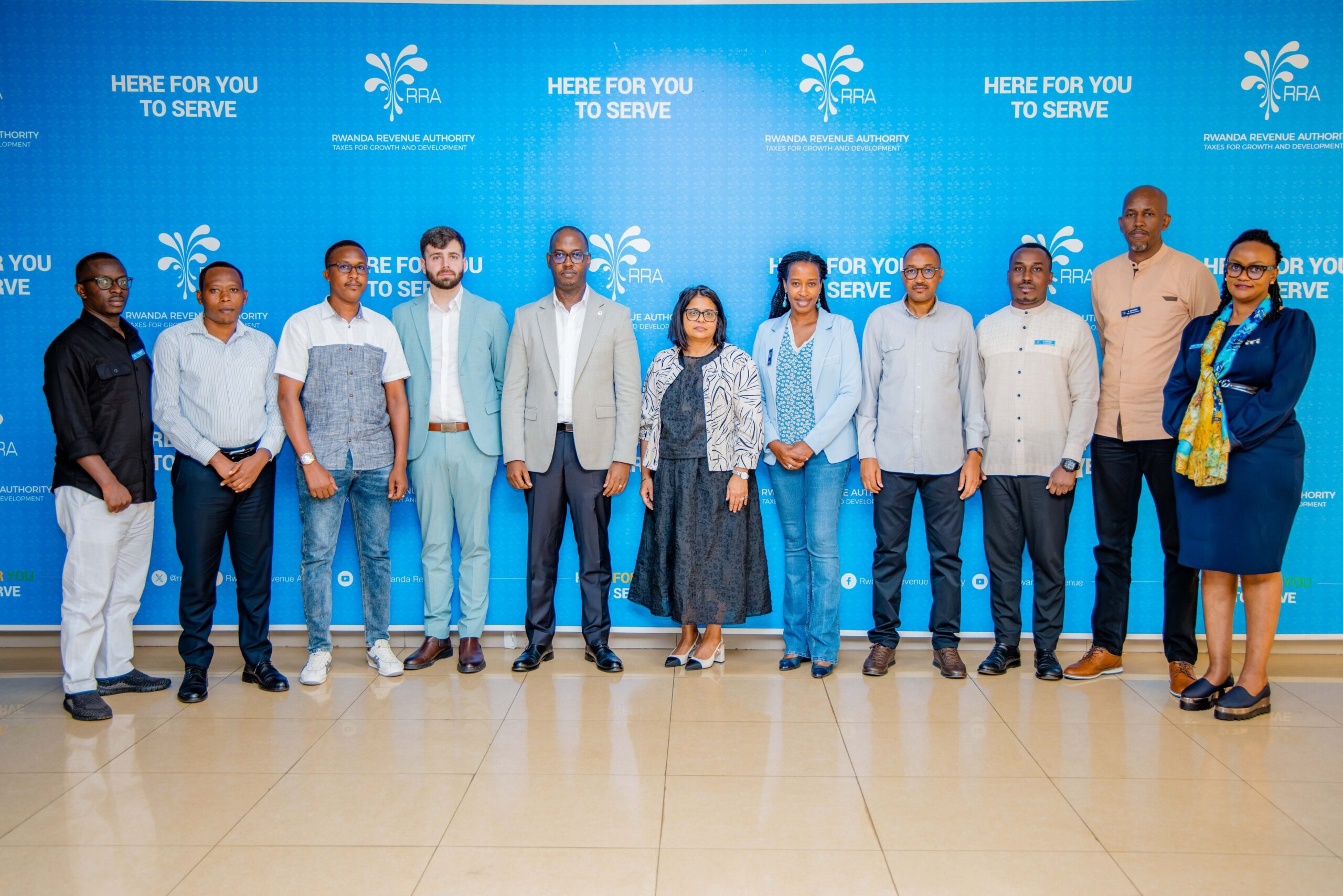
Rwanda Revenue Authority: AI Customs Clearance System Implemented
Summary
- The Rwanda Revenue Authority (RRA) has implemented an Artificial Intelligence (AI) system in its operations.
- This initiative aims to enhance the speed of customs clearance processes.
- A secondary goal is to strengthen the collection of government revenues.
- The move signifies a strategic embrace of technology to modernize public administration.
- Businesses involved in Rwandan import/export should anticipate potential changes in compliance procedures.
What Happened
Lawyers and compliance officers should closely monitor developments surrounding the RRA's AI customs clearance plans.
The Rwanda Revenue Authority (RRA) has implemented an Artificial Intelligence (AI) system into its operational framework. This strategic move is primarily aimed at achieving two significant objectives: enhancing the efficiency of customs clearance processes and bolstering the overall collection of state revenues. The RRA's forward-looking approach suggests a recognition of technological advancements as a key driver for modernizing public administration and improving economic facilitation.
This initiative positions the RRA among a growing number of global customs and tax authorities that are investigating how advanced technologies can streamline complex procedures. By implementing AI, the authority signals a commitment to leveraging innovative solutions to address challenges typically associated with international trade and fiscal management. The focus on both speed and revenue strength underscores a dual benefit: facilitating legitimate trade while simultaneously ensuring fiscal compliance and maximizing government income.
Legal and Regulatory Context
While specific RRA-focused legal and regulatory adjustments for AI in customs and revenue collection continue to evolve, Rwanda has established a comprehensive National AI Policy (approved in April 2023) and a National AI Agency (approved in June 2026) that provide a foundational legal and ethical framework for AI system deployment, data privacy, algorithmic transparency, and accountability mechanisms, which the RRA's initiatives operate within. The existing legal framework governing customs operations and tax administration in Rwanda will serve as the foundation. Future regulatory updates would likely focus on establishing clear guidelines for AI system deployment, data privacy, algorithmic transparency, and accountability mechanisms to ensure fairness and prevent misuse.
Lawyers and compliance officers should closely monitor developments surrounding the RRA's AI customs clearance plans. The introduction of such technology could lead to significant shifts in how customs declarations are processed, how risk assessments are conducted, and how compliance is enforced. Businesses engaged in import and export activities in Rwanda will need to understand these evolving requirements to ensure continued adherence to customs compliance Rwanda technology standards, potentially adapting their internal processes to align with automated checks and digital verification systems. The legal implications extend to areas like dispute resolution, where the decisions made by AI systems might require new avenues for challenge or review.
Why It Matters
The Rwanda Revenue Authority's implementation of AI for customs clearance and revenue collection carries substantial implications for the nation's economic landscape and its standing as a regional trade hub. The prospect of faster customs clearance, driven by RRA artificial intelligence, could significantly reduce transit times for goods, lower logistical costs for businesses, and enhance Rwanda's attractiveness for international trade and investment. This efficiency gain would directly benefit importers, exporters, and consumers by potentially leading to more competitive pricing and a smoother flow of goods across borders.
Furthermore, the objective to strengthen revenue collection through Rwanda revenue collection AI signifies a commitment to fiscal stability and sustainable public services. By employing advanced analytics and machine learning, the RRA could potentially identify patterns of non-compliance or evasion more effectively, ensuring that all due taxes and duties are collected. This enhanced enforcement, while potentially making automated checks more stringent, ultimately contributes to a more equitable tax system and provides the government with greater resources for national development initiatives. The move towards Rwanda customs automation represents a broader trend of digital transformation within public services, aiming to improve governance and service delivery through technology.
Practical Implications
Lawyers and compliance officers should monitor the Rwanda Revenue Authority's implementation of AI in customs and revenue collection, as this will likely lead to changes in customs procedures, compliance requirements, and potentially faster but more stringent automated checks for businesses engaged in import/export in Rwanda.
Source
How does this affect you?
Get an AI analysis of this article grounded in your jurisdictions, practice areas, and any policy documents you've uploaded to Wansom.
Finish Reading the Full Story and the Expert Analysis.
Get the latest legal & regulatory intelligence in Rwanda
Wansom is AI and can make mistakes.