
Rwanda Minister: Fuel Deal With Kenya Boosts Strategic Reserves
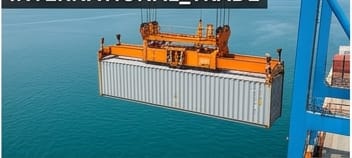
On Tuesday, September 29, Rwanda and Kenya celebrated the arrival of 40,000 tonnes of refined petroleum products for Rwanda at the Kenya Pipeline Company's Kipevu Oil Terminal 2 (KOT2) at Mombasa port, marking a significant step in a new import framework designed to bolster Rwanda's strategic fuel reserves and enhance economic stability. This event, attended by Rwanda's Minister of State in the Ministry of Infrastructure, Armand Zingiro, and Kenya's Cabinet Secretary for Energy and Petroleum, James Opiyo Wandayi, underscores a concerted effort to shield Rwanda's economy from global energy shocks by securing a more stable and diversified supply chain through Kenya.
This development carries substantial legal significance for practitioners across the East African Community (EAC). Firstly, it highlights the increasing reliance on bilateral and regional trade agreements to foster economic resilience and energy security, particularly for landlocked nations like Rwanda. The framework's success in stabilizing fuel prices and protecting key sectors like transport and agriculture demonstrates the tangible benefits of such cross-border cooperation. Secondly, the mention of Rwandan institutions investing in the Kenya Pipeline Company (KPC) following its listing on the Nairobi Securities Exchange signals deeper economic integration and cross-border investment, which has implications for corporate governance, foreign investment regulations, and securities law within the region. This inter-state collaboration also sets a precedent for how EAC member states can leverage each other's strategic infrastructure to achieve national economic objectives.
The legal context for this deal is multifaceted, primarily rooted in the East African Community Treaty, which promotes regional integration, free movement of goods, and common policies among member states. Specific bilateral agreements between Rwanda and Kenya would govern the detailed terms of this petroleum import framework, including transit rights, storage arrangements, and any associated fees or tariffs. National laws in both Rwanda and Kenya are also critical; in Rwanda, these would pertain to energy sector regulation, strategic reserves, and import policies, while in Kenya, laws governing port operations, pipeline infrastructure (such as the Kenya Pipeline Company Act), and transit trade are paramount. The investment by Rwandan entities in KPC also brings into play corporate law and securities regulations, particularly those governing the Nairobi Securities Exchange, where KPC is listed.
Key parties involved in this significant regional initiative include the governments of Rwanda and Kenya, represented by their respective energy and infrastructure ministers. Crucially, state-owned enterprises like the Rwanda National Energy Company (RNEC), which received its maiden cargo, and the Kenya Pipeline Company (KPC), which operates the Kipevu Oil Terminal, are central to the operationalization of this framework. While not explicitly named, various private sector entities, including shipping companies like the MT Sea Wolf and other logistics providers, are integral to the supply chain. The outcome of this specific shipment is reported as successful arrival, but the broader long-term impacts and any potential disputes arising from the framework are not detailed in the excerpt.
For attorneys and legal professionals, several key takeaways emerge. Practitioners advising clients involved in regional trade, particularly in the energy and logistics sectors, must conduct thorough due diligence on the specific bilateral agreements between Rwanda and Kenya, as well as the overarching EAC protocols governing transit and trade. The cross-border investment in KPC also signals opportunities for legal professionals specializing in foreign direct investment, mergers and acquisitions, and securities law within the EAC. Businesses reliant on fuel or regional supply chains should closely monitor the implementation and evolution of such agreements, as they directly impact logistics, pricing stability, and operational resilience. Ensuring compliance with evolving national and regional energy policies, environmental regulations, and customs procedures will be paramount for companies operating in this space, and understanding the dispute resolution mechanisms embedded in these agreements is crucial for mitigating potential risks.
How does this affect you?
Get an AI analysis of this article grounded in your jurisdictions, practice areas, and any policy documents you've uploaded to Wansom.
Finish Reading the Full Story and the Expert Analysis.
Get the latest legal & regulatory intelligence in Rwanda
Wansom is AI and can make mistakes.