
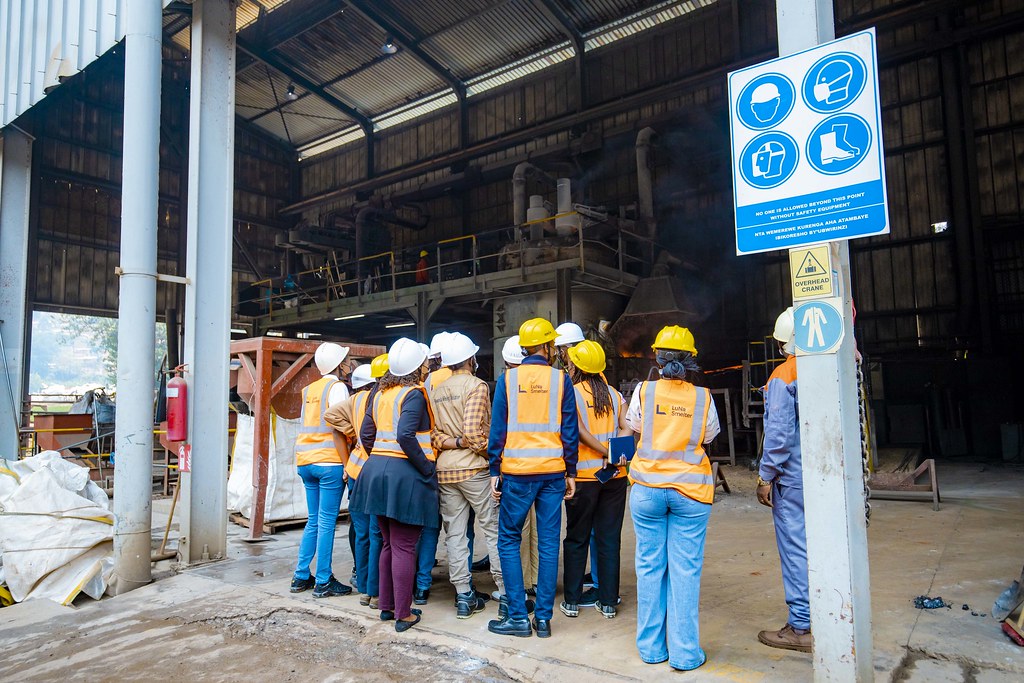
Rwanda Mining Board Regains Independence as Mineral Exports Surge
Summary
- Rwanda's Cabinet has approved a new organizational structure for the Rwanda Mines, Petroleum and Gas Board (RMB).
- This approval allows the RMB to operate as an independent institution, granting it greater autonomy.
- The change is expected to strengthen the regulator's capacity and influence over the extractive sectors.
- This decision by the Rwanda Cabinet for RMB approval comes during a period of surging mineral exports from the country.
What Happened
This pivotal decision elevates the RMB to the standing of an independent institution, a move that redefines its role and operational capabilities within the country's regulatory landscape.
A significant administrative reform has been enacted within Rwanda's governmental structure concerning its natural resources sector. Rwanda's Cabinet has officially given its approval to a new organizational framework that fundamentally alters the operational status of the Rwanda Mines, Petroleum and Gas Board (RMB). This pivotal decision elevates the RMB to the standing of an independent institution, a move that redefines its role and operational capabilities within the country's regulatory landscape.
This formal endorsement by the Rwanda Cabinet for the RMB's enhanced autonomy marks a strategic policy shift. The newly approved structure ensures that the Rwanda Mines, Petroleum and Gas Board will now function with greater self-governance, allowing it to operate distinctly from its previous administrative configuration. This development is a direct outcome of a high-level executive decision, designed to establish the RMB as a more autonomous and self-directed entity in its regulatory functions.
Regulatory Autonomy and Strengthening
The transformation of the Rwanda Mines, Petroleum and Gas Board into an independent institution is specifically designed to strengthen the regulator's overall capacity and operational reach. This newfound independence implies a significant increase in the RMB's discretion and authority when executing its comprehensive mandate, which covers the supervision and regulation of all mining, petroleum, and gas activities throughout Rwanda. Such a degree of autonomy typically translates into a more consistent, impartial, and effective application of both new and existing Rwandan mining regulation changes, minimizing potential external influences on its decision-making processes.
By operating as an independent institution, the RMB is now positioned to enhance its performance across critical functions, including the issuance of licenses, rigorous monitoring of compliance standards, and the enforcement of regulatory provisions. The strengthening of the regulator through this strategic structural change is intended to cultivate a more stable, transparent, and predictable regulatory environment, which is beneficial for all stakeholders involved in the nation's extractive sectors. This move underscores a clear governmental commitment to empowering the board with the necessary authority and operational freedom to effectively manage the intricate challenges and opportunities presented by these vital industries.
Economic Context and Strategic Timing
The timing of the Cabinet's decision to grant the Rwanda Mines Board independence is particularly noteworthy, coinciding with a period of significant economic activity in the nation's extractive sector. This crucial structural reform has been approved by the Rwanda Cabinet amidst a sustained surge in mineral exports from the country. This confluence of regulatory enhancement and economic growth suggests a deliberate strategic alignment, aimed at optimizing the management and benefits derived from Rwanda's valuable natural resources.
The context of rapidly increasing mineral exports underscores the heightened importance of having a robust, efficient, and autonomous regulatory body in place. A strengthened Rwanda Mines, Petroleum and Gas Board, now operating as an independent institution, is better equipped to oversee the ongoing expansion of the sector, ensure the implementation of sustainable and responsible practices, and maximize the national revenue generated from these valuable commodities. This development is therefore considered critical for fostering the continued responsible growth, effective oversight, and long-term sustainability of Rwanda's burgeoning extractive industries.
Practical Implications
Lawyers advising clients in Rwanda's mining, petroleum, and gas sectors should monitor the newly independent RMB for potential shifts in regulatory enforcement, licensing procedures, or compliance requirements, as its operational autonomy may lead to revised policies.
Source
Source: Original reporting via KT PRESS
How does this affect you?
Get an AI analysis of this article grounded in your jurisdictions, practice areas, and any policy documents you've uploaded to Wansom.
Finish Reading the Full Story and the Expert Analysis.
Wansom is AI and can make mistakes.