
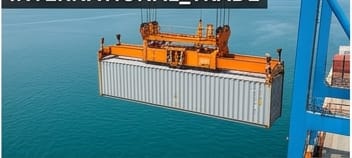
Rwanda, Kenya: New Refined Petroleum Import Framework Operational
Summary
- The MT Sea Wolf delivered 40,000 tonnes of refined petroleum to Kenya's Kipevu Oil Terminal 2, activating a new Rwanda-Kenya import framework.
- This framework shifts Rwanda's petroleum procurement from commercial arrangements to a direct government-to-government model, enhancing control and supply chain stability.
- Underpinned by a June 29 MoU, the initiative is part of Rwanda's strategy to diversify import routes and build strategic fuel reserves.
- Kenya anticipates a tenfold increase in petroleum volumes transiting through its Northern Corridor to Rwanda as a result of this long-term partnership.
- Rwanda's Minister Armand Zingiro stated the framework helps stabilize fuel prices and protect the economy from global shocks.
What Happened
This strategic shift, underpinned by a Memorandum of Understanding (MoU) signed on June 29 between Kenya's Ministry of Energy and Petroleum and Rwanda's Ministry of Trade and Industry, grants Rwanda greater oversight and control over the entire supply chain, encompassing procurement, transportation, and storage.
A significant milestone in regional energy cooperation was recently marked by the arrival of the MT Sea Wolf at the Kenya Pipeline Company's Kipevu Oil Terminal 2 (KOT2) in Mombasa. This vessel delivered the Rwanda National Energy Company's (RNEC) inaugural shipment of 40,000 tonnes of refined petroleum products, signaling the operational launch of a new import framework between Rwanda and Kenya. The event, which took place on Tuesday, September 29, saw high-level officials, including Rwanda's Minister of State in the Ministry of Infrastructure, Armand Zingiro, and Kenya's Cabinet Secretary for Energy and Petroleum, James Opiyo Wandayi, present to receive the cargo.
A New Framework for Energy Security
The recently activated framework fundamentally alters how Rwanda procures its refined petroleum, transitioning from predominantly commercial agreements to a direct government-to-government (G2G) model. This strategic shift, underpinned by a Memorandum of Understanding (MoU) signed on June 29 between Kenya's Ministry of Energy and Petroleum and Rwanda's Ministry of Trade and Industry, grants Rwanda greater oversight and control over the entire supply chain, encompassing procurement, transportation, and storage. Minister Zingiro emphasized that this move is a deliberate response to recent global instability, which has highlighted how quickly international shipping disruptions and oil market volatility can impact local fuel prices.
Rwanda, which is entirely reliant on imported petroleum products, has actively pursued a strategy of supply chain diversification. This new framework with Kenya, alongside the establishment of an additional import route through Tanzania's Port of Tanga, is a direct manifestation of this strategy. By reducing reliance on any single corridor or supplier, Rwanda aims to build more resilient and stable energy provisions. Furthermore, Kenya has committed to providing a secure transit environment for these bulk refined petroleum products over the long term, with state agencies instructed to offer operational flexibility for Rwanda-bound cargo as volumes increase.
Economic and Strategic Implications
For Rwanda, this import framework is crucial for bolstering its strategic fuel reserves and mitigating the economic impact of global shocks. The expansion of Rwanda's domestic storage capacity is underway, and the extended storage terms offered by Kenya at Kipevu provide essential flexibility during this transition. Minister Zingiro highlighted the importance of government support in maintaining fuel price stability, which directly benefits sectors like transport and agriculture, and the daily lives of ordinary Rwandans. A more secure supply chain through Kenya is expected to strengthen Rwanda's capacity to sustain these protective measures. Notably, Rwandan institutions have also recently invested in the Kenya Pipeline Company (KPC) following its listing on the Nairobi Securities Exchange, underscoring the deepening economic ties between the two nations.
Kenya, for its part, views this partnership as a significant opportunity to solidify its role as a regional energy gateway. Cabinet Secretary Wandayi stated that the framework is projected to increase the volume of petroleum products transiting through Kenya's Northern Corridor to Rwanda tenfold in the coming years. This anticipated growth underscores Kenya's commitment to supporting the necessary infrastructure investments and ensuring the long-term security of supply for its landlocked neighbor. This collaboration represents a long-term partnership, promising mutual benefits in energy security and regional trade.
Practical Implications
Lawyers advising clients in the Rwandan or Kenyan energy, logistics, or trade sectors should review the terms of this new government-to-government petroleum import framework. This shift from commercial arrangements to a state-backed framework impacts supply chain stability, pricing, and potential regulatory changes for businesses operating in these sectors, particularly given the projected tenfold increase in volumes through the Northern Corridor.
Source
How does this affect you?
Get an AI analysis of this article grounded in your jurisdictions, practice areas, and any policy documents you've uploaded to Wansom.
Finish Reading the Full Story and the Expert Analysis.
Get the latest legal & regulatory intelligence in Rwanda
Wansom is AI and can make mistakes.