
Rwanda: Mining Insurance for Heavy Rain Income Protection
Summary
- Rwanda is exploring a new insurance scheme to support mine workers.
- The program aims to provide financial assistance when heavy rains cause mining operations to cease.
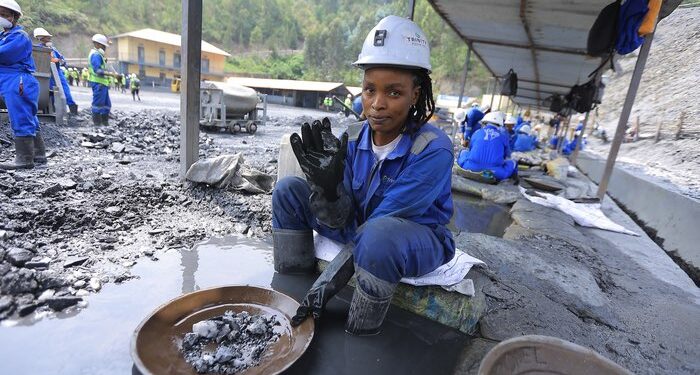
- Thousands of miners, whose pay depends on daily work or mineral extraction, are vulnerable to income loss during such disruptions.
- The Ministry of Finance and Economic Planning is leading the initiative to develop this protection.
- The proposed scheme addresses climate-induced income instability within Rwanda's mining sector.
Addressing Climate-Induced Income Loss in Mining
The implementation of such a Rwanda mining worker compensation scheme would not only provide direct relief to affected miners but also introduce new frameworks for compliance and potentially mandatory contributions for mining companies, altering existing worker compensation structures in response to climate-induced operational disruptions.
Rwanda is currently investigating the feasibility of an innovative insurance program designed to offer financial stability to its mining workforce. This initiative, specifically tailored for the nation's mining sector, aims to mitigate the economic repercussions faced by workers when operations are halted due to severe weather conditions. The proposed Rwanda mining insurance heavy rain scheme would provide essential income protection, ensuring that miners receive support during periods when their ability to work, and thus earn, is compromised by environmental factors. This proactive measure seeks to establish a safety net for individuals whose livelihoods are directly tied to the continuity of mining activities, offering a crucial buffer against the unpredictable nature of climate patterns affecting the region.
The Economic Vulnerability of Rwandan Miners
The necessity for such a scheme arises from the significant vulnerability of Rwandan miners to climate-related disruptions. Heavy rainfall frequently leads to the closure of mining sites, a common occurrence that can leave thousands of workers without their customary daily earnings. Many miners in Rwanda operate under payment structures that are directly contingent on the number of days they are able to work or the volume of minerals they successfully extract. Consequently, any interruption to operations, particularly those caused by adverse weather, translates immediately into a loss of income, creating substantial financial hardship for these individuals and their families. This highlights a critical aspect of Rwanda climate risk mining sector challenges, where environmental factors directly impact human capital and economic stability at the individual level.
Government's Role and Future Implications
The Ministry of Finance and Economic Planning is the government body spearheading the exploration of this crucial program, signaling a strategic focus on resilience within the national economy. Their involvement underscores a broader recognition of the need for robust social protection mechanisms within key economic sectors, particularly those susceptible to environmental volatility. Should this Rwanda Ministry of Finance mining insurance proposal come to fruition, it could significantly reshape the landscape of worker compensation in the country's mining industry. The implementation of such a Rwanda mining worker compensation scheme would not only provide direct relief to affected miners but also introduce new frameworks for compliance and potentially mandatory contributions for mining companies, altering existing worker compensation structures in response to climate-induced operational disruptions. This development signals a forward-thinking approach to managing environmental risks and ensuring sustained income for a vital segment of the workforce.
Practical Implications
Lawyers advising mining companies in Rwanda should monitor the proposed insurance scheme by the Ministry of Finance, as its implementation could introduce new compliance requirements, mandatory contributions, or changes to worker compensation structures related to climate-induced operational disruptions.
Source
How does this affect you?
Get an AI analysis of this article grounded in your jurisdictions, practice areas, and any policy documents you've uploaded to Wansom.
Finish Reading the Full Story and the Expert Analysis.
Get the latest legal & regulatory intelligence in Rwanda
Wansom is AI and can make mistakes.