
Rwanda Government: Commits to End Power Outages by 2029
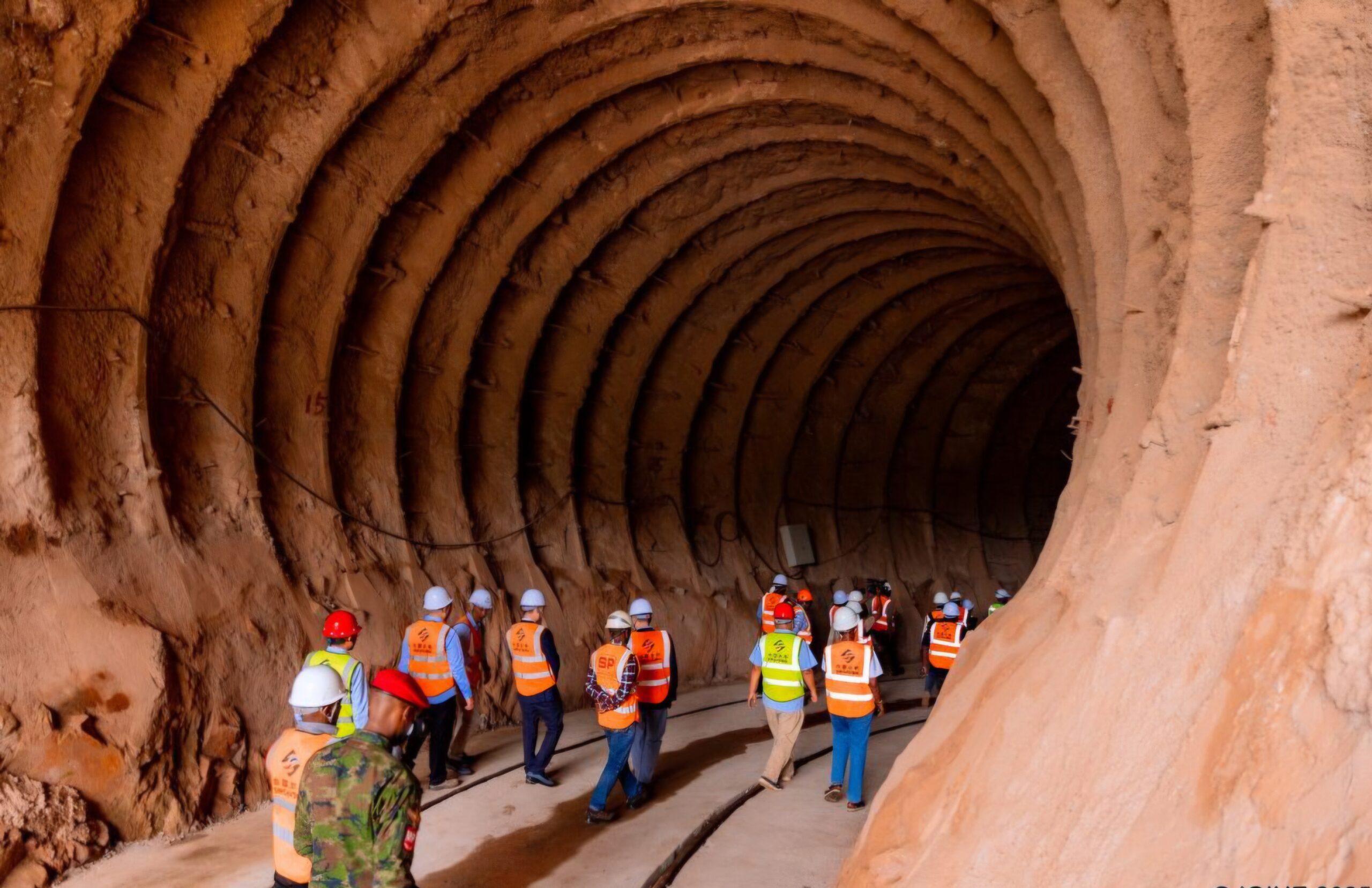
The Government of Rwanda, through Infrastructure Minister Damien Murwanashyaka, committed on September 22 to resolve persistent power outages by 2029 by adding over 500 megawatts of new electricity generation capacity, primarily from solar, methane gas, and hydropower sources. This ambitious plan, articulated to the Senate Commission on the Economy and Finance, aims to significantly increase the nation's electricity generation capacity from the current 472 megawatts to nearly 1000 megawatts by the end of the second National Strategy for Transformation (NST2) period. The new capacity, totaling 523.73 MW, will be diversified, with solar power contributing 300 MW, methane gas 165 MW, and hydropower 58.76 MW, including the ongoing construction of the Nyabarongo II hydropower plant in Gakenke district. The government is also actively exploring battery storage solutions to enhance grid stability and optimize the utilization of intermittent renewable energy sources, particularly solar power, to mitigate the impact of falling water levels on hydropower generation during dry seasons. Senators, however, raised questions regarding the feasibility and speed of project delivery, indicating a level of parliamentary scrutiny over the government's targets.
This commitment signals a significant shift in Rwanda's energy policy and carries profound implications for various sectors across the economy. For businesses, a stable and substantially increased power supply is a critical enabler for operational efficiency, industrial expansion, and attracting foreign direct investment, potentially reducing production costs and improving competitiveness. Legal professionals can anticipate a surge in demand for services related to energy project development, encompassing the drafting and negotiation of power purchase agreements (PPAs), conducting environmental impact assessments (EIAs), facilitating land acquisition processes, and ensuring regulatory compliance for new power generation facilities. The strategic emphasis on diversifying into solar and methane gas also underscores a national move towards cleaner energy sources, which could influence future environmental regulations, carbon credit markets, and investment incentives for green technologies.
The overarching legal framework governing this initiative is deeply embedded in Rwanda's energy sector laws and national development policies, primarily the National Strategy for Transformation (NST2), which outlines the country's socio-economic development agenda until 2029. Key legislation includes Law N° 52/2018 of 13/08/2018, which governs the organization and functioning of the electricity sector, delineating the roles and responsibilities of entities such as the Rwanda Energy Group (REG) and the Rwanda Utilities Regulatory Authority (RURA). RURA, as the independent sector regulator, will play a pivotal role in licensing new generation projects, setting tariffs, and ensuring adherence to technical and safety standards. Environmental laws, notably Law N° 48/2018 of 13/08/2018 on Environment, will mandate rigorous environmental impact assessments for large-scale infrastructure projects like hydropower dams and solar farms. Furthermore, public procurement laws will be central to the tendering and contracting processes for these substantial government-backed projects, ensuring transparency and accountability. The Senate's engagement, as evidenced by their questioning of the Minister, highlights the legislative branch's constitutional mandate to provide oversight of government policy and expenditure.
The primary governmental entity driving this initiative is the Ministry of Infrastructure, led by Minister Damien Murwanashyaka, which is responsible for policy formulation and the strategic oversight of infrastructure development. The Rwanda Energy Group (REG), as the state-owned utility, will be central to the implementation of these projects, managing electricity generation, transmission, and distribution. The Rwanda Utilities Regulatory Authority (RURA) will function as the independent regulator, ensuring compliance, fair market practices, and consumer protection. The Senate Commission on the Economy and Finance serves as a crucial parliamentary oversight body, scrutinizing the government's plans and progress. Private sector developers, both domestic and international, are expected to be key partners in the construction and operation of the new power plants, particularly for solar and methane gas projects, often through public-private partnership models. Financial institutions, including development banks, commercial lenders, and potentially international climate funds, will also be significant parties in funding these capital-intensive ventures.
Practitioners should closely monitor upcoming tender processes and regulatory updates issued by REG and RURA, particularly those pertaining to new generation capacity, grid expansion, and battery storage initiatives. Significant opportunities will emerge in project finance, the drafting and negotiation of complex Power Purchase Agreements (PPAs), Engineering, Procurement, and Construction (EPC) contracts, and advising on environmental compliance, land expropriation, and dispute resolution matters. Lawyers specializing in public-private partnerships (PPPs) will find substantial engagement as the government seeks private investment for these projects. Businesses, especially those in energy-intensive sectors like manufacturing, mining, and large-scale agriculture, should anticipate improved energy reliability and potentially plan for expansion or new investments, while also exploring opportunities to participate in the energy sector as independent power producers or service providers. Staying abreast of the government's progress against its ambitious 2029 target will be crucial for strategic business and legal planning.
How does this affect you?
Get an AI analysis of this article grounded in your jurisdictions, practice areas, and any policy documents you've uploaded to Wansom.
Finish Reading the Full Story and the Expert Analysis.
Get the latest legal & regulatory intelligence in Rwanda
Wansom is AI and can make mistakes.