
Rwanda: Demands UN ICTR Archives Transfer Amidst IRMCT Staff Cuts
Summary
- The UN is planning a significant staff reduction for the International Residual Mechanism for Criminal Tribunals (IRMCT) by mid-2028.
- IRMCT President Graciela Gatti Santana presented a report outlining ongoing responsibilities, including victim protection and archive management, requiring a UN Security Council resolution.
- Rwanda is advocating for the transfer of ICTR genocide archives to its territory, emphasizing survivor and historical context.
- Member states and the IRMCT President stressed the importance of maintaining judicial independence, victim protection, and preserving historical records against revisionism.
- The UN faces the challenge of concluding the IRMCT's work without compromising evidence access, witness safety, or accountability.
Future of the International Residual Mechanism for Criminal Tribunals
The ongoing debate highlights the delicate balance required to responsibly conclude the Mechanism's work while upholding judicial independence, protecting victims, and preserving the integrity of international criminal justice.
The United Nations is currently evaluating a significant reduction in the operational scope of its International Residual Mechanism for Criminal Tribunals (IRMCT), an entity tasked with concluding the work of the International Criminal Tribunal for Rwanda (ICTR) and the International Criminal Tribunal for the former Yugoslavia (ICTY). A strategic plan, presented to the UN Security Council in May 2026, outlines a phased approach that could see the IRMCT's staff reduced by as much as 89% by mid-2028. This proposal aims to define which functions will cease, which will be transferred to other bodies, and which require continued international oversight.
Judge Graciela Gatti Santana, President of the IRMCT, presented the Mechanism's fourteenth annual report to the UN General Assembly on October 21, underscoring the ongoing responsibilities that extend beyond the completion of judicial proceedings. These include the protection of approximately 3,200 victims and witnesses, safeguarding the rights of convicted individuals, and the permanent management of UN-owned archives. Judge Gatti Santana emphasized that a Security Council resolution is essential to authorize and implement the proposed strategic plan, ensuring a responsible conclusion to the IRMCT's mandate.
Contentious Issues: Archives, Protection, and Justice
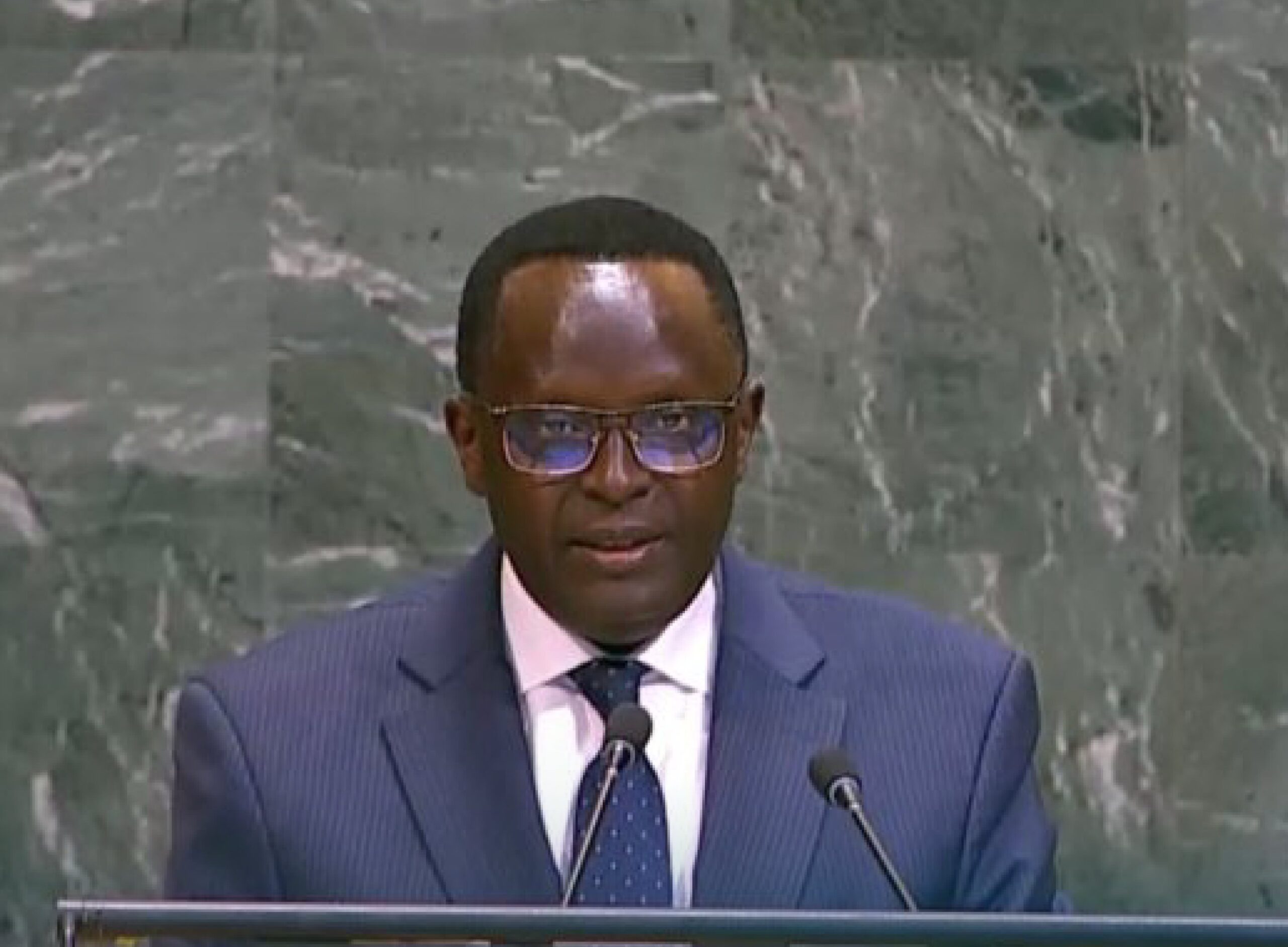
A central point of contention in the discussions revolves around the future of the ICTR genocide archives. Rwanda, through its UN Permanent Representative Ambassador Martin Ngoga, reiterated its demand for these critical records to be transferred to Rwanda, the nation where the genocide occurred and where survivors reside. Rwanda argues that the closure of the Tribunal should align with its original purpose of serving justice, taking into account the perspectives of survivors and the country whose history these documents preserve.
Various member states and Judge Gatti Santana highlighted other crucial concerns. Croatia offered to assume responsibility for the long-term preservation of the ICTY and IRMCT archives as a unified collection, indicating suitable facilities for a relevant UN entity. Austria stressed the IRMCT's continued obligation to address outstanding issues, including remaining fugitives, prisoners, and protected witnesses, while also emphasizing the importance of preserving records against historical denial. India called for an efficient transition that upholds due process, judicial independence, and access to archives, also noting the need for a lasting solution for acquitted or released individuals relocated to Niger. Judge Gatti Santana herself advocated for decisions on pardons, commutations, and early releases to remain at the international level, promoting consistency and legal certainty.
Safeguarding the Legacy of International Criminal Justice
The overarching challenge confronting the United Nations is how to transition the IRMCT's remaining responsibilities without compromising access to vital evidence, weakening protections for witnesses, or undermining the pursuit of accountability. Delegations broadly supported an orderly and time-bound completion of the Mechanism's functions, but cautioned that any restructuring must not erode judicial independence, victim protection, or the enduring legacy of international criminal justice.
Judge Gatti Santana issued a stark warning that the achievements of international prosecutions could be jeopardized by efforts to deny or rewrite the history of atrocities. She cited the reported 'hero's funeral' for former Bosnian Serb military commander Ratko Mladić in Belgrade as a poignant example of the persistent risks posed by historical revisionism. The ongoing debate highlights the delicate balance required to responsibly conclude the Mechanism's work while upholding judicial independence, protecting victims, and preserving the integrity of international criminal justice.
Practical Implications
Lawyers involved in international criminal law, human rights, or historical justice should monitor the UN Security Council's upcoming resolution on the IRMCT's future, as decisions regarding the transfer of ICTR archives to Rwanda and the long-term management of victim protection and sentence enforcement will significantly impact access to historical evidence and the integrity of international criminal justice processes.
Source
How does this affect you?
Get an AI analysis of this article grounded in your jurisdictions, practice areas, and any policy documents you've uploaded to Wansom.
Finish Reading the Full Story and the Expert Analysis.
Get the latest legal & regulatory intelligence in Rwanda
Wansom is AI and can make mistakes.