
Rwanda AI Plan: 2.5 Million Farmers Targeted in New Strategy
Summary
- Rwanda's ICT and Innovation Minister, Paula Ingabire, announced a national AI strategy aimed at empowering 2.5 million Rwandan farmers.
- The plan, discussed at the Africa Food Systems Forum in Kigali, seeks to provide farmers with better intelligence for crucial agricultural decisions.
- Examples from Kenya and Zambia illustrate AI's potential for accurate disease diagnosis, financial inclusion, and improved access to agricultural expertise.
- The World Bank has identified approximately 60 potential AI applications across agri-food systems, including pest detection and precision agriculture.
- This governmental focus signals forthcoming regulatory developments concerning data governance, intellectual property, and contractual agreements in Rwanda's agricultural tech sector.
Rwanda's Vision for AI in Agriculture
This ambitious initiative aims to leverage advanced technologies to empower 2.5 million Rwandan farmers, fundamentally reshaping the nation's agricultural landscape.
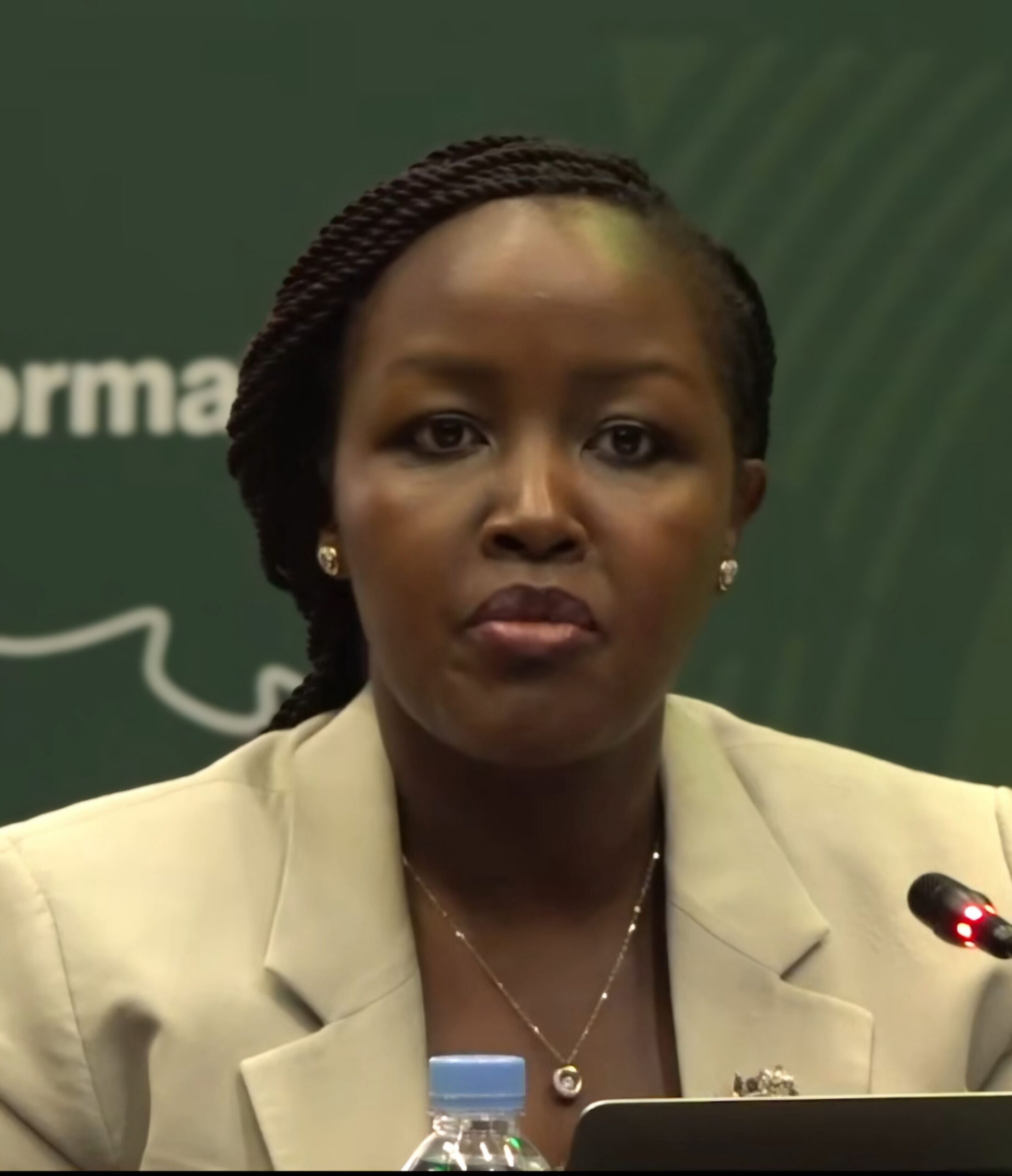
Rwanda's ICT and Innovation Minister, Paula Ingabire, recently outlined an ambitious national strategy to integrate artificial intelligence into the agricultural sector, with a specific goal of empowering 2.5 million Rwandan farmers. Speaking at a high-level roundtable side event during the Africa Food Systems Forum in Kigali on September 1, 2026, Minister Ingabire emphasized that agriculture exemplifies both the immense promise and the urgent need for AI applications across the continent.
Highlighting the critical role of agriculture in Sub-Saharan Africa, where nearly half of all employment is concentrated, the Minister pointed out that millions of farmers routinely make vital economic decisions—such as what to plant, when to plant, fertilizer application, disease detection, harvest timing, and market access—often with insufficient or delayed information. This significant information gap presents a prime opportunity for AI to provide enhanced intelligence, not to replace farmers or agronomists, but to augment their capabilities and decision-making processes.
The core of Rwanda's AI plan for agriculture is to put superior intelligence directly into the hands of both farmers and agricultural experts. This digital transformation Rwanda agriculture seeks to achieve envisions a future where farmers have instant access to specialized knowledge, whether from an agronomist, a weather expert, or even a financial advisor when funding is required. Such expertise would be available precisely when needed and communicated in a language farmers understand, promising a profound transformation for the entire agricultural ecosystem, extending beyond Rwanda to the broader African continent.
AI's Transformative Potential on the Ground
The potential impact of AI applications Rwandan farming can be seen in existing initiatives across Africa. For instance, in neighboring Kenya, the PlantVillage Nuru application allows farmers to use a smartphone to photograph a cassava leaf and accurately identify specific diseases affecting the plant. Research conducted by CGIAR confirmed that this technology could diagnose cassava disease symptoms with greater accuracy than both farmers and traditional agricultural extension agents, demonstrating AI's capacity to address shortages in agricultural expertise.
Another compelling example comes from Zambia, where the Apollo platform tackles the challenge of financial exclusion for smallholder farmers who often lack credit histories. This innovative solution combines diverse data sources, including remote sensing and satellite imagery, with machine-learning models. The resulting insights are then used to connect farmers with essential inputs, financing, and tailored advice, showcasing AI for smallholder farmers Africa in action to overcome significant economic barriers.
These examples, alongside other AI applications across Africa such as crop diagnosis, credit scoring, weather prediction, enhanced agricultural extension services, and market intelligence, illustrate a collective movement. While seemingly disparate, these innovations collectively point towards a fundamentally different agricultural system. This integrated approach promises to enable every farmer to make more informed decisions, allow extension officers to reach a greater number of farmers, help financial institutions better assess agricultural risks, and foster more transparent markets.
Shaping a New Agricultural Landscape
The comprehensive vision articulated by Paula Ingabire AI agriculture Rwanda extends beyond individual technological fixes, aiming for a systemic overhaul. This new agricultural paradigm is designed to empower farmers with timely, relevant information, thereby improving productivity and resilience. The World Bank has further underscored the vast potential of AI in this sector, identifying approximately 60 distinct AI applications across agri-food systems.
These identified applications span a wide array of critical areas, including climate research, the development of climate-resilient seed varieties, advanced pest detection systems, precision agriculture techniques, optimized logistics, and sophisticated price forecasting models. The breadth of these potential uses highlights the multifaceted ways AI can contribute to food security and sustainable agricultural development, aligning with the goals discussed at the Africa Food Systems Forum AI.
Rwanda's commitment to this AI strategy signifies a proactive governmental approach to leveraging cutting-edge technology for national development. The focus on reaching 2.5 million farmers underscores the scale of this ambition and its potential to drive significant economic and social progress within the country's vital agricultural sector.
Anticipating Regulatory Evolution
The clear and emphatic statement from Rwanda's ICT Minister AI strategy signals a significant governmental focus on deploying artificial intelligence within the agricultural sector. This strong commitment is highly likely to catalyze the development of new legislative and policy frameworks in Rwanda. Lawyers and compliance officers should therefore closely monitor upcoming regulations, particularly those pertaining to data governance, intellectual property rights, and the contractual agreements that will govern technology providers and financial institutions engaging with farmers.
As AI applications become more prevalent in Rwandan farming, the need for robust legal structures to manage the collection, use, and security of agricultural data will become paramount. Similarly, intellectual property considerations for AI models, algorithms, and derived insights will require careful attention. This ministerial statement effectively serves as an early indicator of new regulatory considerations for businesses operating within Rwanda's rapidly evolving agricultural and technology sectors, necessitating proactive legal preparedness.
Practical Implications
Lawyers and compliance officers should monitor upcoming Rwandan legislation and policy frameworks related to AI deployment in agriculture, particularly concerning data governance, intellectual property, and contractual agreements for technology providers and financial institutions engaging with farmers. This ministerial statement signals a significant government focus that will likely lead to new regulatory considerations for businesses operating in Rwanda's agricultural and tech sectors.
Source
Source: Original reporting via {source}
How does this affect you?
Get an AI analysis of this article grounded in your jurisdictions, practice areas, and any policy documents you've uploaded to Wansom.
Finish Reading the Full Story and the Expert Analysis.
Wansom is AI and can make mistakes.