
Rwanda: 2029 Electricity Capacity Target to Double Power Output
Summary
- Rwanda plans to add 523.73 megawatts of electricity generation capacity by 2029, aiming to resolve power outages and achieve 100% household access.
- The expansion will primarily come from 300 megawatts of solar power, 165 megawatts from methane gas, and 58.76 megawatts from hydropower.
- Current installed capacity is 472 megawatts, with 88% of households presently having electricity access.
- Infrastructure Minister Damien Murwanashyaka affirmed the government's commitment to resolving power issues by the 2029 deadline.
- Senators raised concerns about project implementation timelines, the accuracy of household access figures, and maintenance of solar systems.
Rwanda's Ambitious 2029 Energy Target
Rwanda is poised to significantly expand its electricity generation capacity by 2029, targeting an additional 523.73 megawatts to address persistent power outages and achieve universal household access.
Rwanda is poised to significantly expand its electricity generation capacity by 2029, targeting an additional 523.73 megawatts to address persistent power outages and achieve universal household access. This ambitious goal, set for the conclusion of the second National Strategy for Transformation (NST2) period, aims to resolve the nation's power supply challenges, according to Infrastructure Minister Damien Murwanashyaka. The current installed generation capacity stands at 472 megawatts, as reported by the Rwanda Energy Group (REG), meaning the planned expansion will more than double the country's power output.
The government's strategy for this substantial Rwanda power sector expansion emphasizes diversification of energy sources. Solar power is slated to contribute the largest share of the new capacity, with 300 megawatts planned. Methane gas projects are expected to add another 165 megawatts, while hydropower will account for 58.76 megawatts of the total increase. This strategic shift is designed to mitigate the impact of fluctuating water levels, which can reduce hydropower generation by nearly half during dry seasons, a recurring issue the government seeks to overcome.
Strategic Diversification and Project Development
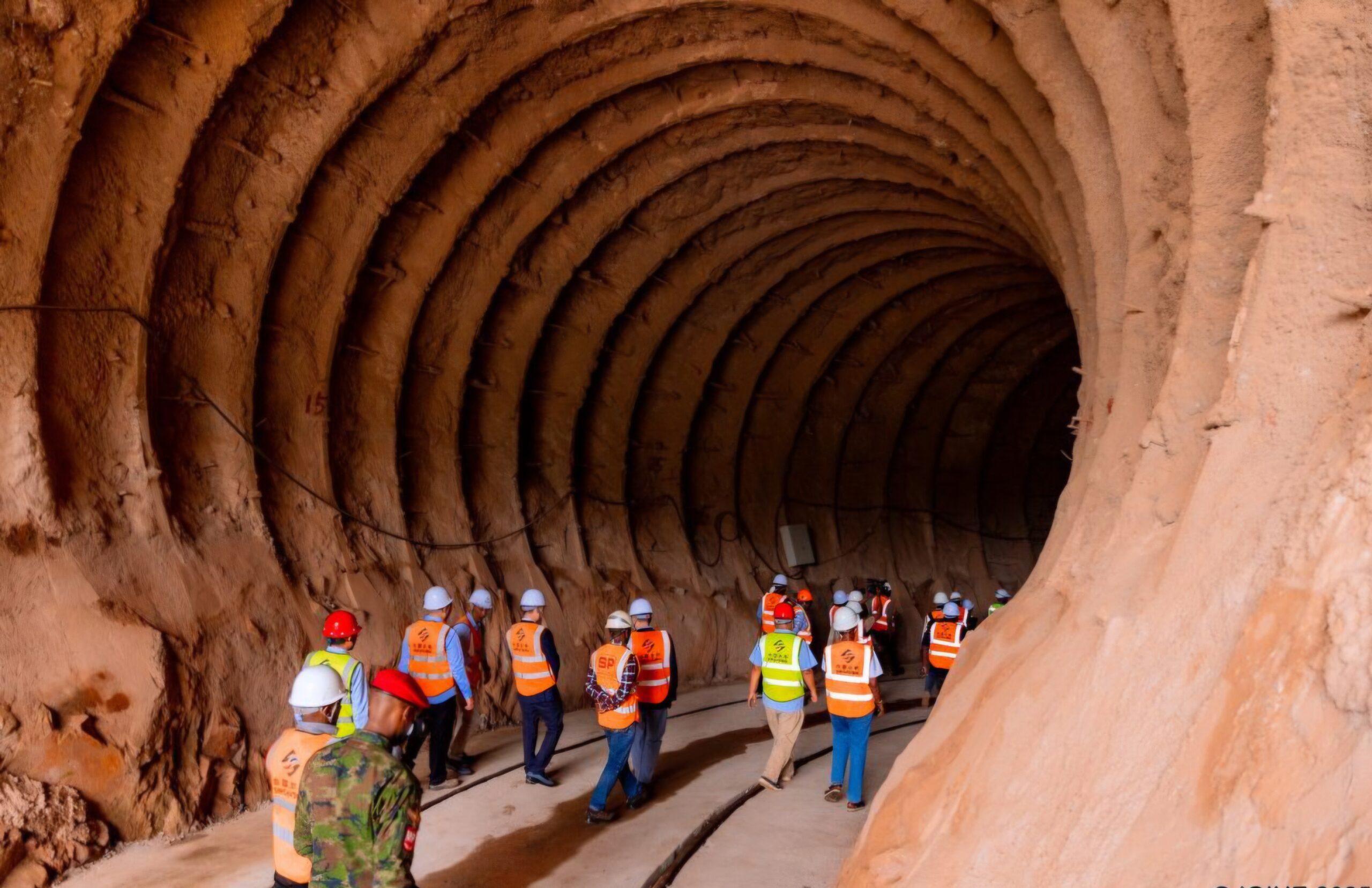
The expansion includes ongoing construction of the Nyabarongo II hydropower plant in Gakenke district, which is set to add 43.5 megawatts to the national grid. However, this facility will rely on the Nyabarongo river, which already hosts several upstream dams. Beyond generation, the government is also exploring battery storage solutions to store solar electricity produced during the day for use during peak demand or when other sources are less productive. This comprehensive approach underscores Rwanda's commitment to a resilient and reliable energy infrastructure.
Looking ahead, Rwanda is prioritizing hydropower, solar, methane gas, and peat over the next five years. The government has explicitly ruled out heavy reliance on diesel generators due to their high operating costs, deeming them an unsustainable solution for dry-season shortages. Furthermore, nuclear energy is not expected to enter testing phases until after 2030, indicating a clear focus on immediate and medium-term renewable and gas-based solutions for the Rwanda 2029 electricity capacity target.
Parliamentary Scrutiny and Implementation Challenges
Despite the government's clear vision, the plans have faced scrutiny from the Senate. During a session on September 22, Infrastructure Minister Damien Murwanashyaka addressed the Senate Commission on the Economy and Finance. Senator Fulgence Nsengiyumva, chairperson of the commission, questioned the methodology for counting electricity access, arguing that connecting administrative cell offices does not equate to providing electricity to all 2,000 residents of a cell. He also challenged the government on its preparedness for predictable dry season power shortages.
Senator Frank Habineza voiced concerns regarding the pace of project implementation, noting that many initiatives remain in the planning or procurement stages despite the approaching 2029 deadline. He advocated for a more flexible electricity system capable of integrating various sources to compensate for conventional generation shortfalls. Separately, Senator Rose Mureshyankwano highlighted issues with the maintenance of household solar systems, citing difficulties residents face in finding technicians and spare parts, underscoring the need for robust support infrastructure alongside the Rwanda solar power 2029 expansion.
Broader Access and Economic Goals
Currently, approximately 88% of Rwandan households have access to electricity, with the government aiming for 100% access by 2029. Twenty-five administrative cells that currently lack electricity are slated for connection by the end of the 2026/27 financial year. Beyond generation and access, Rwanda is also focusing on fostering local industrial capacity, planning to collaborate with private companies to increase domestic production of essential energy project equipment, including cables and solar components.
The overarching challenge for the government is to expand electricity supply significantly while simultaneously ensuring that tariffs remain affordable for consumers. This dual objective forms a critical component of the nation's economic development strategy, aiming to support industrial growth and improve living standards across the country through robust Rwanda power sector expansion and the achievement of NST2 electricity targets.
Practical Implications
This signals significant investment and contractual opportunities in Rwanda's energy sector, particularly for firms involved in renewable energy project development, financing, and regulatory compliance, as the government aims to expand capacity and diversify sources by 2029. Lawyers should monitor upcoming tenders and policy changes related to solar, methane, and hydropower projects, and advise clients on potential participation or compliance requirements.
Source
How does this affect you?
Get an AI analysis of this article grounded in your jurisdictions, practice areas, and any policy documents you've uploaded to Wansom.
Finish Reading the Full Story and the Expert Analysis.
Get the latest legal & regulatory intelligence in Rwanda
Wansom is AI and can make mistakes.