
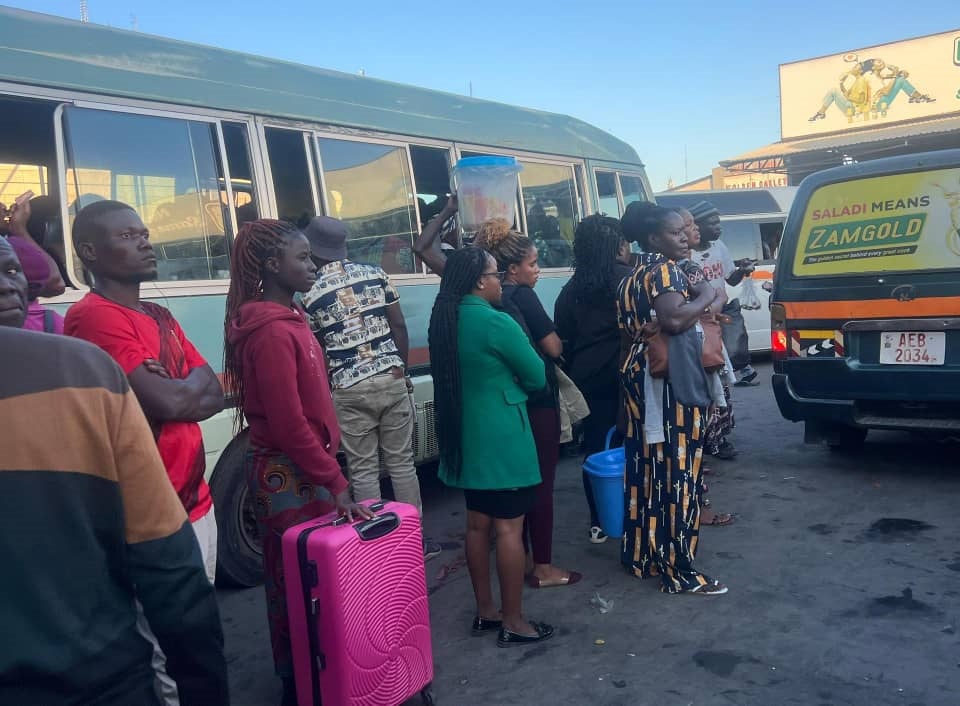
RTSA Zambia Bus Fare Increase Approved Due to Fuel Hike
Summary
- The Road Transport and Safety Agency (RTSA) has approved an increase in bus fares across Zambia.
- This decision was prompted by a recent fuel price hike implemented by the Energy Regulatory Board (ERB).
- Petrol prices specifically rose from K25.29 per litre in September to K31.46 per litre in October.
- The adjustment aims to help public service vehicle operators cover their increased operational expenses.
- The RTSA Zambia bus fare increase will result in higher daily commuting costs for the public.
What Happened
The approved RTSA Zambia bus fare increase will inevitably lead to higher daily commuting costs for a significant portion of the Zambian population who rely on public transport.
The Road Transport and Safety Agency (RTSA) in Zambia has formally sanctioned an upward revision of bus fares across the country. This decision directly follows a recent adjustment in fuel prices, which saw significant increases for both petrol and diesel. The Energy Regulatory Board (ERB) was responsible for these fuel price changes, which have now translated into higher costs for public transportation.
Specifically, the price of petrol experienced a notable jump, moving from K25.29 per litre in September to K31.46 per litre in October. This substantial increase in operational costs for public service vehicle operators necessitated a re-evaluation of the existing fare structure. The RTSA's approval of the new bus fares is a direct consequence of these economic pressures, aiming to allow transport providers to cover their elevated expenses.
Regulatory Framework and Fuel Adjustments
The mandate for overseeing and approving adjustments to Zambia public transport fares falls under the purview of the Road Transport and Safety Agency Zambia. This regulatory body is tasked with balancing the economic viability of transport operators with the affordability of services for the commuting public. Their recent decision reflects a response to external market forces, particularly the volatility in global and local fuel prices.
The underlying cause for the RTSA's action stems from the Energy Regulatory Board's (ERB) latest review of fuel costs. The ERB, as the primary authority for energy pricing, implemented changes that saw petrol prices rise considerably between September and October. While the specific October price for diesel was not detailed in the available information, it was also part of the ERB's broader fuel price increase impact, contributing to the overall rise in operational expenses for the transport sector. This inter-agency coordination highlights the structured approach to Zambia transport regulation.
Implications for Commuters and Operators
The approved RTSA Zambia bus fare increase will inevitably lead to higher daily commuting costs for a significant portion of the Zambian population who rely on public transport. For businesses involved in logistics and transportation, these adjustments signify an immediate increase in their operational budgets, potentially affecting supply chains and the cost of goods. The ripple effect of the ERB fuel price increase impact is now directly felt by consumers through revised transport tariffs.
This development underscores the close relationship between fuel costs and the economic landscape of public services. The Road Transport and Safety Agency Zambia's role in approving these changes is critical for maintaining a functional transport system, even as it means passing on increased costs to passengers. The decision, while necessary for operators, places an additional financial burden on individuals and families, highlighting the broader economic implications of fuel price fluctuations within Zambia's regulated transport sector.
Practical Implications
Lawyers advising businesses with significant transport and logistics operations in Zambia should review existing contracts and budgets for potential impacts from increased operational costs. Compliance officers in the public transport sector must ensure adherence to the newly approved fare structures.
Source
How does this affect you?
Get an AI analysis of this article grounded in your jurisdictions, practice areas, and any policy documents you've uploaded to Wansom.
Finish Reading the Full Story and the Expert Analysis.
Get the latest legal & regulatory intelligence in Zambia
Wansom is AI and can make mistakes.