
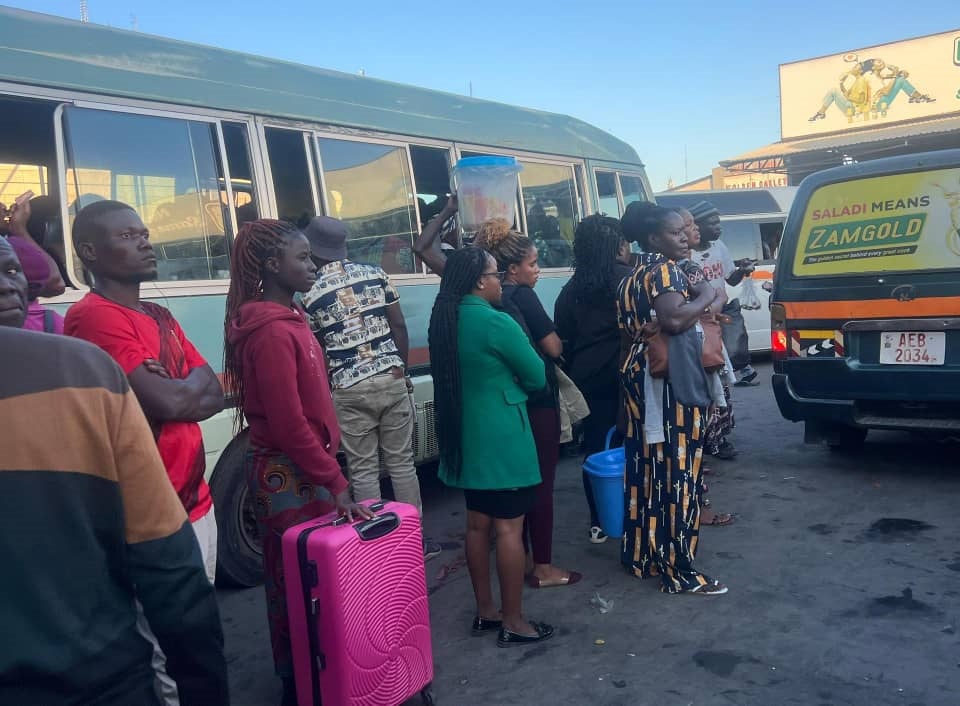
RTSA Approves Bus Fare Hike Following Fuel Price Increase
In Zambia, the Road Transport and Safety Agency (RTSA) recently approved an upward adjustment of bus fares, a decision made in direct response to the Energy Regulatory Board's (ERB) increase in fuel prices.
This regulatory action holds significant implications for both the transport sector and the general public. For bus operators, it provides a necessary mechanism to offset rising operational costs, ensuring the continued viability of public transport services. Conversely, for commuters, it translates into an increased cost of living, impacting household budgets and potentially influencing economic activity. The decision highlights the interconnectedness of regulatory bodies in Zambia and their direct influence on essential services and consumer prices.
The legal context for this decision involves the statutory powers vested in both RTSA and ERB. The RTSA, operating under the Road Traffic Act, Chapter 464 of the Laws of Zambia, is mandated to regulate road transport services, including the setting of fares. The ERB, established under the Energy Regulation Act, Chapter 436 of the Laws of Zambia, is responsible for regulating energy prices, including petroleum products. RTSA's approval of the fare hike is an exercise of its regulatory authority, typically following an assessment of economic factors such as fuel costs, inflation, and operational expenses, though the excerpt does not detail the specific methodology or public consultation process.
The key parties involved in this regulatory development are the Road Transport and Safety Agency (RTSA) and the Energy Regulatory Board (ERB). While not directly involved in the decision-making, bus operators and the commuting public are the primary stakeholders affected by this fare adjustment. The excerpt specifies that petrol increased from K25.29 per litre in September to K31.46 in October, providing the direct impetus for RTSA's decision.
Practitioners advising businesses in the transport sector should closely monitor regulatory pronouncements from RTSA and ERB, as these directly impact pricing strategies and operational profitability. Businesses that rely heavily on public transport for their workforce or logistics should factor these fare adjustments into their financial planning. Furthermore, consumer rights advocates and public interest lawyers may scrutinize such decisions for their economic impact and adherence to regulatory procedures. The specific new fare structure or percentage increase is not detailed in the provided information, but the approval of the hike itself is the critical development.
How does this affect you?
Get an AI analysis of this article grounded in your jurisdictions, practice areas, and any policy documents you've uploaded to Wansom.
Finish Reading the Full Story and the Expert Analysis.
Get the latest legal & regulatory intelligence in Zambia
Wansom is AI and can make mistakes.